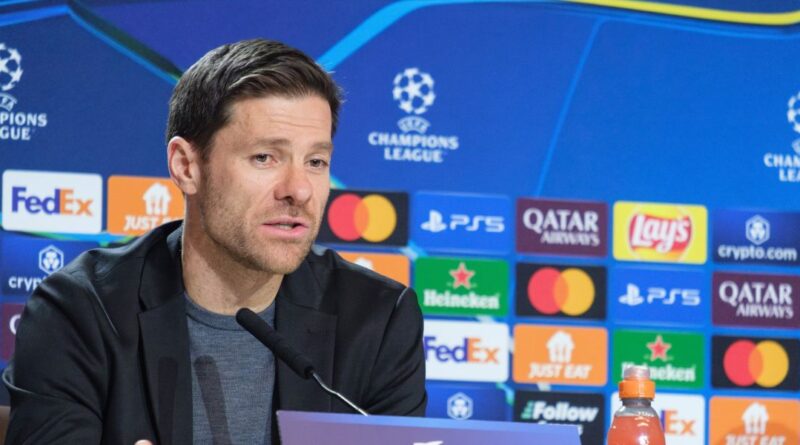
Why Xabi Alonso was never meant to last at Real Madrid
Real Madrid’s latest managerial split says less about tactics than about hierarchy. Xabi Alonso arrived with modern ideas, elite credentials and a clear sense of how he wanted the game played. He left having learned, as many before him have, that influence at the Bernabeu does not always come from the touchline.
Madrid’s recurring issue is not the quality of their coaches. It is the way power is distributed inside the club.
A squad designed to outrank the bench
By the time Alonso took over in May, Madrid’s dressing room revolved around players whose leverage extended far beyond football decisions. Kylian Mbappé, Vinicius Junior and Jude Bellingham were not just starters; they were commercial pillars and long-term investments.
This is not accidental. Florentino Pérez has spent two decades building squads where global stars define the club’s identity. Spanish football writers have long noted that Madrid managers are expected to accommodate that reality rather than reshape it.
Read also: The high functioning paradox, elite athletes and hard drugs
Alonso’s instincts ran the other way. His authority was collaborative, his coaching methodical. At Madrid, that approach can quickly be exposed.
Optimism meets reality
There was real excitement around Alonso’s appointment. He spoke about style, identity and reconnecting supporters after Carlo Ancelotti’s final season, when Barcelona pulled clear domestically and Madrid fell behind Europe’s leading sides.
“I want the people who see us to say, ‘This is the team I like’, that people go to the stadium to enjoy,” Alonso said at his unveiling.
The message landed. The execution proved harder.
Read also: Barcelona tighten control after clasico weekend
Madrid’s Club World Cup trip to the United States came after a long campaign, and the squad looked spent. Mbappé missed matches through illness, Trent Alexander-Arnold struggled for rhythm, and a heavy semi-final defeat to Paris Saint-Germain followed. Alonso later conceded, according to Spanish media, that the team still belonged to a previous cycle.
Tactical ideas, structural limits
On the pitch, Alonso tried to modernise quickly. He shifted toward a pressing 4-3-3, using Mbappé centrally and asking the midfield to control space more aggressively.
The numbers were respectable Mbappé scored freely but balance never followed. Without Luka Modrić and lacking a clear successor to Toni Kroos, Madrid’s midfield rotations often collapsed under pressure. Elite opponents found space too easily, and Alonso struggled to align his positional principles with the squad’s existing habits.
This was not stubbornness. It was a mismatch between coach and institution.
Read also: Mike Tomlin steps aside after historic Steelers run
When a gesture says everything
The clearest sign of that mismatch came late in Alonso’s tenure. After losing the Spanish Super Cup to Barcelona, he motioned for his players to form a guard of honour. Mbappé refused and waved teammates away. They followed him. Alonso did too.
It lasted seconds, but it was revealing. The message was public and unmistakable.
Around the same period, dressing-room tensions became harder to ignore. Vinicius reacted angrily to substitutions, Mbappé’s influence grew, and competing loyalties emerged, as widely reported in Spain. After defeat at Liverpool, Madrid’s form dipped, Barcelona moved ahead in La Liga, and the Super Cup loss felt decisive.
Whether the separation was mutual or not, Alonso’s position had become impossible to defend.
Read also: Liverpool FC owes LeBron James 96 million dollars
What comes next
Alonso leaves with his reputation largely intact. His work at Bayer Leverkusen still defines him, and top clubs across Europe are paying attention.
Madrid, meanwhile, face questions they have confronted before. They continue to assemble squads powerful enough to outgrow their managers. Until that balance shifts if it ever does even elite coaches may struggle to last.
Alonso did not fail because his ideas lacked merit. He failed because at Real Madrid, ideas are only part of the equation.
Sources: GOAL.com, Spanish media reports
Read also: Australian Open make controversial prize money decision