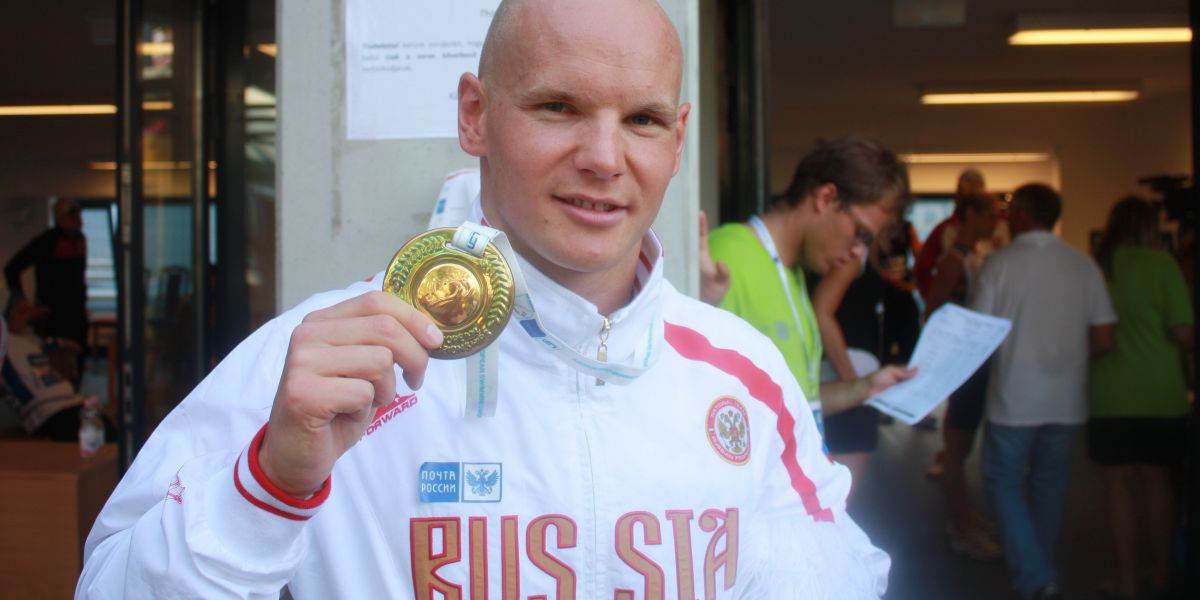
According to UNITED24 Media’s report by Dariia Mykhailenko and the related World Aquatics announcement, senior athletes from Russia and Belarus will now be allowed to compete under the same terms as other nations. That includes national uniforms, flags, and anthems, a notable departure from the neutral status that had defined their participation since 2023. The decision was published on April 13 and also restored the full membership rights of Russia and Belarus under Article 6 of the World Aquatics Constitution.
How the restrictions were eased
This shift did not come all at once. According to the UNITED24 Media report, World Aquatics had already relaxed its rules for junior athletes from Russia and Belarus, allowing them to compete on the same basis as other juniors. The latest move extends that approach to senior athletes and marks the clearest sign yet that the federation believes its screening system can carry the weight of a more permissive policy.
World Aquatics President Husain Al Musallam said the federation had spent the last three years trying to keep geopolitical conflict from spilling into the sport itself. In practical terms, the organization is presenting this as an effort to preserve competition spaces as neutral sporting venues, even while the political reality outside them remains deeply contested. That framing is important because it shows how World Aquatics wants the decision to be read, as a governance move tied to procedure and oversight rather than as an open political endorsement.
What athletes still need to clear
The return is still conditional. According to the World Aquatics notice and the UNITED24 report, athletes from Russia and Belarus must complete four consecutive doping controls carried out with the International Testing Agency and pass background checks overseen by the Aquatics Integrity Unit before they can compete. World Aquatics also said that more than 700 screenings had already been conducted under the earlier framework.
Read also: Harry Kane breaks silence on Man City verdict
So while flags and anthems are coming back, the compliance structure is not disappearing. The federation is restoring the formal symbols of national participation, but it is also keeping enough safeguards in place to argue that the decision is still being managed within a controlled system. That balance appears to be central to how World Aquatics is defending the change.
Why the move is already meeting resistance
The opposition has not gone away, and the article highlights one of the clearest examples. In February, the Netherlands withdrew from hosting the 2026 European Paralympic Swimming Championships after objecting to the inclusion of Russian and Belarusian athletes under national symbols. According to UNITED24 Media, the Dutch Swimming Federation made that decision after consultations with several government bodies, including the Ministry of Health, Welfare and Sport.
UNITED24 Media reported that KNZB director Arnoud Strijbis said the International Paralympic Committee wanted Russian and Belarusian athletes to be allowed to compete with their flags and anthems, a condition the Dutch side would not accept. His position was that the Netherlands could only support their participation under neutral status. That dispute makes clear that even as one international federation moves toward reinstatement, the political and symbolic argument around representation is still very much alive across Europe.
Why this ruling will resonate across international sport
What World Aquatics has done reaches beyond one federation and beyond one championship calendar. By restoring national symbols and full membership rights, it has gone further than a narrow technical adjustment and created a precedent that other sports bodies will now be asked to explain, reject, or follow. The decision is likely to draw close attention from officials across Olympic and Paralympic sport, especially in disciplines still trying to navigate the line between sporting access, public pressure, and the continuing war in Ukraine.
Read also: Phil Taylor comes out of retirement for stunning darts return
For that reason, the significance of this decision is not limited to who stands on a medal podium or which anthem may be played at an aquatic venue. It also points to a larger question that international sport has not resolved, how far federations are prepared to go in normalizing the status of Russia and Belarus while the war continues and while resistance inside Europe remains strong.
Sources: UNITED24 Media report by Dariia Mykhailenko, World Aquatics announcement
Read also: ‘If you lie to me, I will leave’: Guardiola’s City warning takes on new weight