World Cup 2026: FIFA targets time-wasting with tough new match rules
According to Reuters, FIFA is preparing to introduce a package of rule adjustments aimed at reducing time-wasting and improving the flow of matches at the World Cup. The measures focus on some of the most common causes of delays in modern football, including slow substitutions, prolonged medical stoppages and restarts that take too long to execute.
Football authorities have increasingly looked for ways to keep matches moving and prevent teams from deliberately slowing the pace of play, particularly late in games when protecting a lead. The new rules are intended to make those tactics more difficult while still giving referees the flexibility needed to manage injuries and important decisions during matches.
Faster player exits
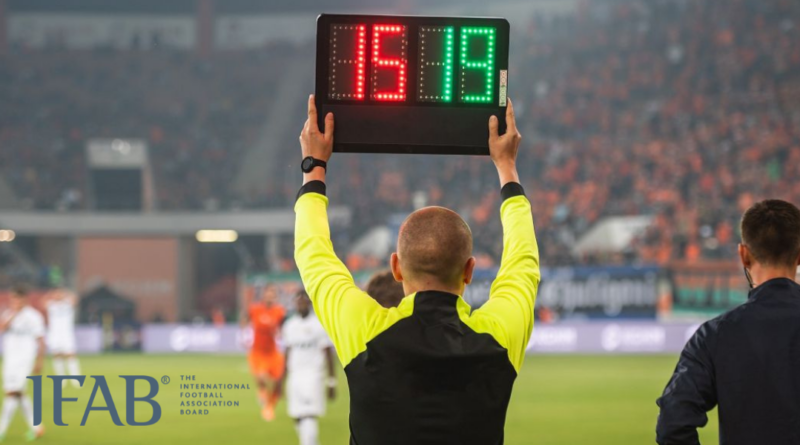
One of the most visible changes concerns how quickly substituted players must leave the pitch. Under the new guidelines, players being replaced will be required to exit the field within 10 seconds. According to Reuters, failing to leave within that time could be treated as a form of time-wasting and may result in disciplinary action.
The measure is designed to address a familiar scenario in football where players walk slowly toward the touchline after being substituted in order to run down the clock. By introducing a strict time limit, officials hope to remove a tactic that can repeatedly interrupt the rhythm of a match and frustrate both opponents and spectators.
Read also: Arsene Wengers offside rule is officially being tested
Medical stoppages are also covered by the updated rules. Players who request treatment on the pitch will be required to remain off the field for at least one minute before they are allowed to return to play, unless the referee decides an exception should apply. According to Reuters, this rule is intended to discourage unnecessary stoppages while ensuring that genuinely injured players can still receive proper attention.
Countdown for restarts
Restart situations such as throw-ins and goal kicks are another key focus of the new measures. These moments are often used by teams to slow the game down, especially when they are trying to hold onto a narrow lead during the closing stages of a match.
Under the proposed changes, referees will introduce a visible five second countdown to ensure that the ball is put back into play quickly. If the team responsible for the restart fails to take the throw-in or goal kick before the countdown expires, possession will automatically be awarded to the opposing side.
According to Reuters, the countdown system is intended to remove ambiguity and give referees a clearer framework for dealing with delays. By making the timing visible and consistent, football authorities hope the rule will reduce disputes on the field and help matches maintain a steady tempo.
Read also: Donald Trump on Jake Paul: "You're gonna be a politician"
Expanded powers for VAR
Video Assistant Referee officials are also expected to receive broader authority under the new rules. According to Reuters, VAR will be able to review second yellow card incidents as well as corner kick decisions when officials believe a clear error may have occurred.
At present, VAR is mainly used for major incidents such as goals, penalties, direct red cards and cases of mistaken identity. Expanding the system to cover additional decisions could allow referees to correct mistakes that might otherwise influence the outcome of a match.
Supporters of the change argue that giving VAR a slightly wider role will improve the overall accuracy of refereeing decisions, while critics may question whether it could lead to more interruptions. Football authorities say the goal is not to slow the game further, but rather to ensure that obvious errors can be corrected quickly and fairly.
How the rules could shape World Cup matches
Together, the changes represent a broader effort by football authorities to reduce deliberate delays and keep matches flowing at a faster pace. According to Reuters, the measures are part of a wider push to modernize match management and respond to long-standing complaints about time-wasting tactics in professional football.
Read also: French giants PSG eye Chelsea midfielder
If implemented as planned, the rules could have a noticeable impact on the rhythm of World Cup matches. Faster substitutions, stricter restart timings and expanded video review powers are all intended to reduce stoppages and create a more continuous style of play.
Officials hope the adjustments will improve the experience for players, referees and supporters alike, while maintaining the balance between fairness and the natural flow of the game.
Sources: Reuters
Read also: Wolff and Horner ready for £600m Alpine showdown as F1 power battle explodes
Read also: Gianni Infantino reveals Donald Trump’s decision on Iran and the 2026 FIFA World Cup