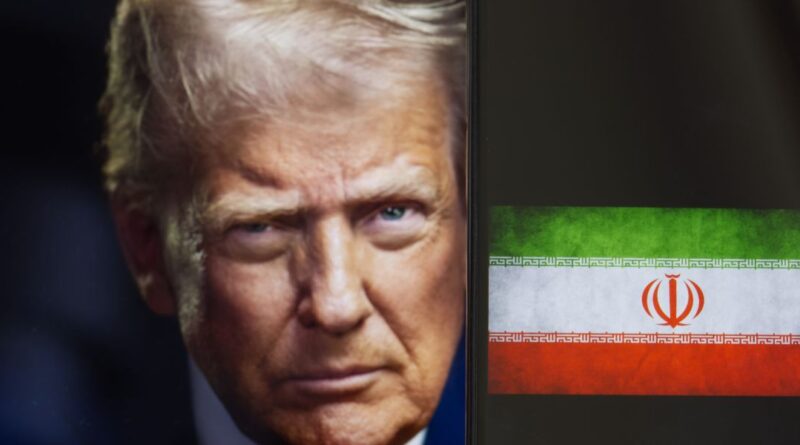
World Cup concern grows even more as rights and Iran tensions raise fresh pressure on US hosts
As millions of fans prepare to travel for the 2026 FIFA World Cup, the spotlight is no longer fixed only on the matches, stadiums and host cities. According to Callum Jones in UNILAD, Amnesty International says the United States is facing a worsening human rights climate ahead of the tournament, with immigrant communities and visiting supporters potentially at greater risk from enforcement measures tied to immigration policy. The competition, which will be staged across the United States, Canada and Mexico, is expected to bring global attention and enormous crowds, but Amnesty argues that the environment surrounding the event could leave many people feeling exposed rather than welcomed.
According to Jones, Amnesty’s report says football fans from immigrant communities may face heightened risks not only when traveling, but also when gathering to watch or celebrate matches. The organization argues that recent enforcement patterns in the United States have already created fear in many communities and that this atmosphere could carry into the World Cup unless authorities provide stronger protections. Amnesty also says there is still too little clarity over how fans and local residents will be shielded from profiling, raids, detention or other forms of discriminatory treatment during the tournament.
Why Amnesty says the tournament now carries deeper risks
According to Callum Jones’ article, Amnesty’s concern is centered on far more than airport delays or visa issues. The group says the broader erosion of due process protections, together with rising deportations and aggressive enforcement tactics, has created a climate that could affect how freely and safely people are able to move, gather and celebrate during one of the biggest sporting events in the world. In Amnesty’s view, the issue is not simply whether supporters can enter the country, but whether they can take part in the tournament without fear of unfair treatment.
Jones also reported that only four of the 16 host cities had published human rights plans at the time of writing, a detail Amnesty used to argue that preparations remain incomplete. The report raised concerns about whether FIFA and U.S. authorities have done enough to guarantee safeguards for communities that may already feel vulnerable, including migrants, refugees and people who want to exercise their right to protest. According to Amnesty, the success of the World Cup should not be measured only by what happens on the field, but also by whether the event is hosted in a way that protects dignity, fairness and basic rights.
Read also: Enzo Fernández sparks Madrid talk with fresh comments
How the State Department warning adds another layer of concern
According to Joe Yates in UNILAD, the U.S. State Department issued a worldwide caution urging Americans overseas to exercise increased caution as tensions in the Middle East continue to rise. Yates reported that the warning was especially significant for people in or traveling through that region, but the guidance also applied more broadly because U.S. diplomatic facilities and other places associated with the United States could face heightened risks. That alert adds another layer of anxiety to the wider international backdrop in which the World Cup will be played this summer.
According to Yates, the State Department also maintained its highest level warning for Iran, advising Americans not to travel there and urging those already in the country to leave immediately. The advisory cited risks including terrorism, civil unrest, kidnapping, arbitrary arrest, torture and wrongful detention, while also stressing that the United States has no embassy in Iran and cannot provide normal consular support there. Although this warning is separate from the World Cup itself, it reflects the kind of geopolitical instability that can shape travel decisions, government messaging and security concerns during a major global tournament.
Why travel, security and rights questions are building before kickoff
According to both UNILAD reports, the 2026 World Cup is unfolding in an atmosphere that feels far more politically charged than organizers may once have expected. Jones reported that Iran’s Football Association was said to be in talks with FIFA about the possibility of playing matches outside the United States following last month’s escalation, while Yates described a broader security warning that underlined growing uncertainty for Americans abroad. Taken together, the two stories suggest that the tournament is becoming part of a wider conversation about borders, diplomacy, enforcement and public safety.
That means the central challenge facing organizers and officials is no longer just operational readiness. According to Callum Jones and Joe Yates, the deeper issue is whether FIFA and U.S. authorities can reassure supporters, protect vulnerable communities and prevent world events from overshadowing the competition itself. If those concerns are not addressed convincingly before kickoff, the 2026 World Cup could be remembered not only for its football, but also for the tensions surrounding the conditions in which it was played.
Read also: LeBron James delivers another historic performance as the Lakers overpower the Wizards
Sources: Callum Jones, UNILAD, Joe Yates, UNILAD, Amnesty International, U.S. State Department.
Read also: Six big concerns before the 2026 World Cup: visa hurdles, sky-high prices and global tensions