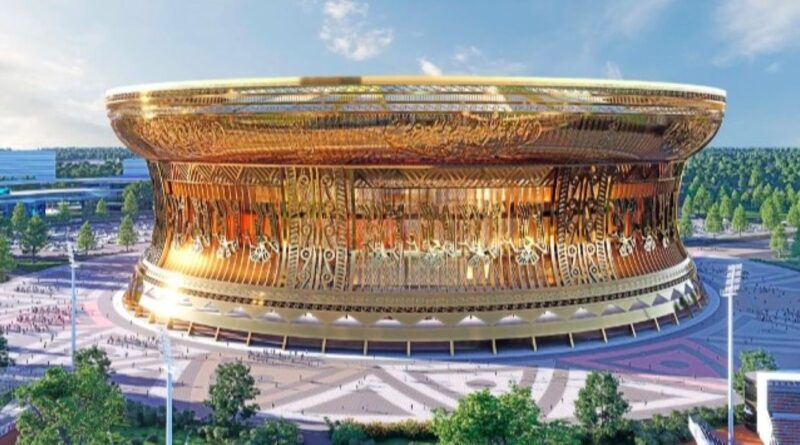
Worlds largest: Vietnam building 135,000-seat mega stadium
Plans for a massive new stadium complex in southern Hanoi are moving forward, with developers outlining a project that could rank among the largest in the world by seating capacity. According to the Trong Dong Stadium project information page, the proposed venue would hold 135,000 spectators and form the centerpiece of a broader Olympic sports city development.
City planning documents describe the scheme as part of a long term strategy to expand sports infrastructure while stimulating urban growth in Thuong Tin District, an area south of central Hanoi that has seen increasing development pressure in recent years.
A stadium at the core of an olympic sports city
The proposed Trong Dong Stadium would sit in Zone B of the planned Olympic sports city in Tan Minh Commune, Thuong Tin District. According to the project information page, the wider complex is designed to combine sports facilities, commercial services and public urban space within a single master plan.
Developers present the stadium as a future national landmark intended to host elite competition as well as cultural programming and major civic gatherings. Officials have not yet released detailed financing structures, and full government approvals tied to international event hosting would still be required.
Read also: The greatest finishers in football history
If completed at its planned scale, the venue would be more than three times the size of My Dinh National Stadium, currently Vietnam’s largest operating stadium.
Scale, standards and global ambitions
Project materials state that the stadium is being designed with reference to requirements set by FIFA, the Asian Football Confederation and the Olympic Council of Asia. According to the Trong Dong Stadium project information page, planners envision the arena as capable of hosting events such as the Asian Games, Olympic competitions and World Cup level matches.
Promoters describe the 135,000 seat capacity as potentially making it the world’s largest stadium by seated capacity, though such rankings depend on measurement methods and future competing projects worldwide.
The inclusion of a retractable roof is also highlighted in project documents, positioning the venue for year round scheduling flexibility in Hanoi’s tropical climate.
Read also: Lionel Messi and Donald Trump meeting on 5th of March
Flexible design and transport integration
Planning documents emphasize that the stadium is intended for multi use programming, including outdoor sport, concerts, festivals and other large scale gatherings. The design aims to allow rapid reconfiguration between event formats.
According to the project information page, transport integration is a central feature of the master plan. Proposed infrastructure includes connections to major road corridors, future urban rail links and designated public access zones to manage high attendance volumes. Large venue projects of this scale typically require detailed crowd management strategies, and further technical planning disclosures are expected as the project advances.
Heritage inspiration and green objectives
Architectural renderings show a circular form inspired by the Dong Son bronze drum, an ancient symbol associated with early Vietnamese civilization. Project backers say the motif is intended to merge cultural heritage with contemporary engineering and position the stadium as a recognizable landmark for Hanoi.
Sustainability language also features prominently in the proposal. According to the Trong Dong Stadium project information page, the development framework calls for energy efficient systems, environmentally conscious materials, expanded green space and climate adaptation measures. Independent environmental assessments have not yet been published.
Read also: Missiles near the track: F1 catastrophe as Iran strikes Bahrain
Timeline and long term role in Vietnam’s sports strategy
The project timeline lists a planned construction start in December 2025 and a target completion date of August 2028. As with large infrastructure initiatives, final schedules may depend on regulatory approvals, financing arrangements and procurement processes.
Planning materials frame the stadium as a long life civic asset intended to serve sport, culture and major national ceremonies over several decades. Whether Vietnam ultimately secures the kind of mega events referenced in the proposal will depend on international bidding processes and regional competition.
For now, the Trong Dong Stadium plan signals an ambition to place Hanoi more prominently on the global sporting map, while accelerating development in the capital’s southern corridor.
Sources: Trong Dong Stadium project information page
Read also: McLaren confirm team orders stance for Norris and Piastri ahead of Australian GP
Read also: Adama Traore banned in the gym