Flags, football imagery and portraits of players have begun to appear across the city as the tournament approaches. The Estadio Azteca is due to host the curtain-raiser as well as four further matches, with 13 World Cup games scheduled across Mexico in total.
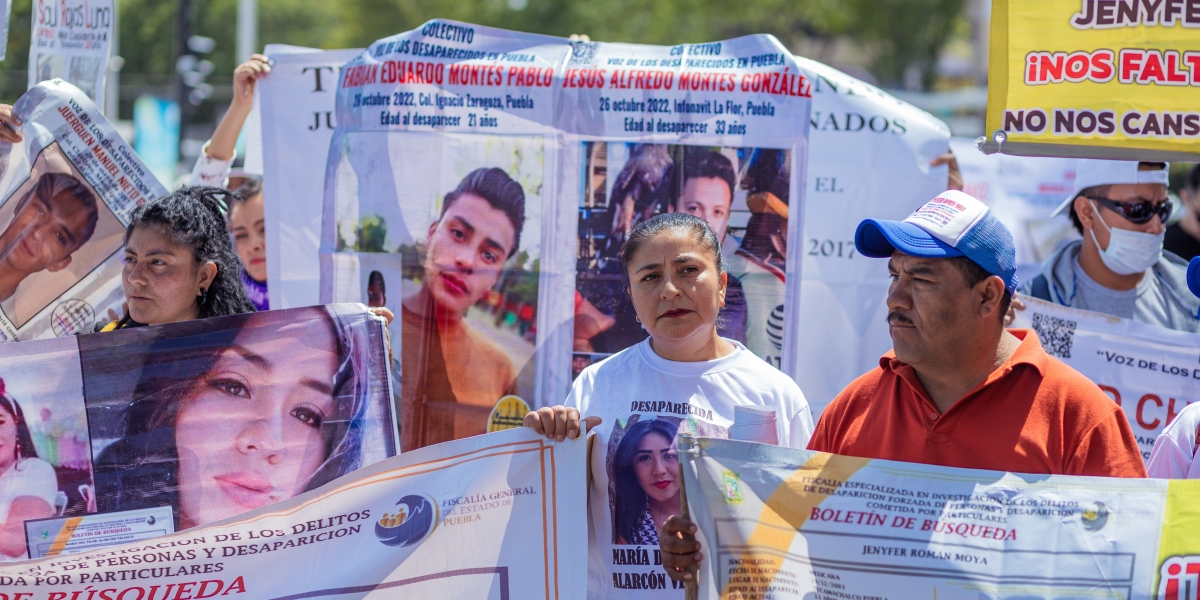
Yet behind the build-up, campaigners are using the global attention to draw focus to one of the country’s deepest crises: the disappearance of more than 133,000 people.
According to BBC Sport, relatives of the missing and their supporters have been distributing leaflets near the Angel of Independence, warning that the number of disappeared people is greater than one and a half times the capacity of the Estadio Azteca.
“We are searching for more than 133,000 missing people. People we love, miss and wait for every single day,” one leaflet said.
Read also: Fan Appears to Try Setting Rival's Hair on Fire During NBA Finals
A human tragedy on a national stage
The United Nations has described Mexico’s disappearance crisis as “a human tragedy of enormous proportions”. For many families, public demonstrations in the capital are not symbolic acts, but part of a continuing search for truth.
The scale of the crisis is difficult to absorb. More than 133,000 people are officially registered as missing. Campaigners say the figure is so large that it would more than fill the country’s most famous stadium. Some estimate that the equivalent of a bus full of people disappears every day.
Many cases are linked to criminal organisations, including forced recruitment, violence against those who resist, and killings that leave families without answers.
For relatives of the missing, the World Cup offers a rare chance to make their message visible to an international audience. But it also risks presenting a polished image of Mexico that they believe ignores the pain felt across the country.
Read also: Fans are skeptic: Will Hamilton ever win another title?
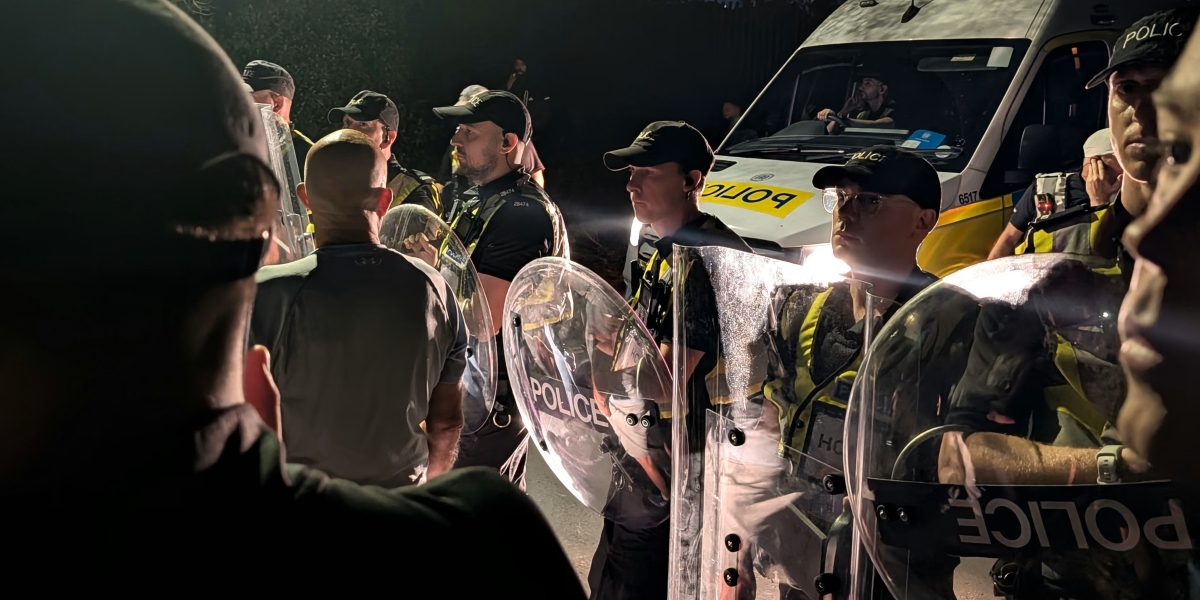
Protests challenge the tournament mood
The unrest is not limited to families of the missing. Teachers and other public-sector workers have also taken to the streets, demanding better pay, stronger pensions and improved working conditions.
Some protesters have translated their chants into English, hoping visiting fans and foreign media will understand their message. One chant from teachers captured the frustration directly: “We do not want a World Cup. We just want better pay.”
For many residents, the tournament remains financially out of reach. While fan zones and bars are expected to be crowded, the cost of attending matches has reinforced a feeling that the World Cup is being staged for visitors, sponsors and wealthier supporters rather than ordinary people.
“The World Cup is not made for local people,” one protester said through a megaphone. “It is made for rich businessmen who can afford tickets.”
Read also: Trump to skip U.S. World Cup opener: Good or Bad for the tournament?
A city caught between pride and protest
Mexico City is no stranger to spectacle, and the return of the World Cup is a point of national pride. The capital has hosted football’s biggest tournament before, and the Estadio Azteca remains one of the sport’s most historic venues.
But as the city dresses itself in marigolds, flags and tournament branding, it is also being confronted by grief, anger and inequality.
The opening match will place Mexico City at the centre of the football world. For campaigners and protesters, that attention is not only a celebration. It is also an opportunity to ask why so many people remain missing, unheard and unaccounted for.
Sources: www.bbc.com
Read also: Trump on NBA Final game: "It was, I think, mostly cheers"
Read also: World Cup scandal: referee loses $100,000 opportunity after US rejection