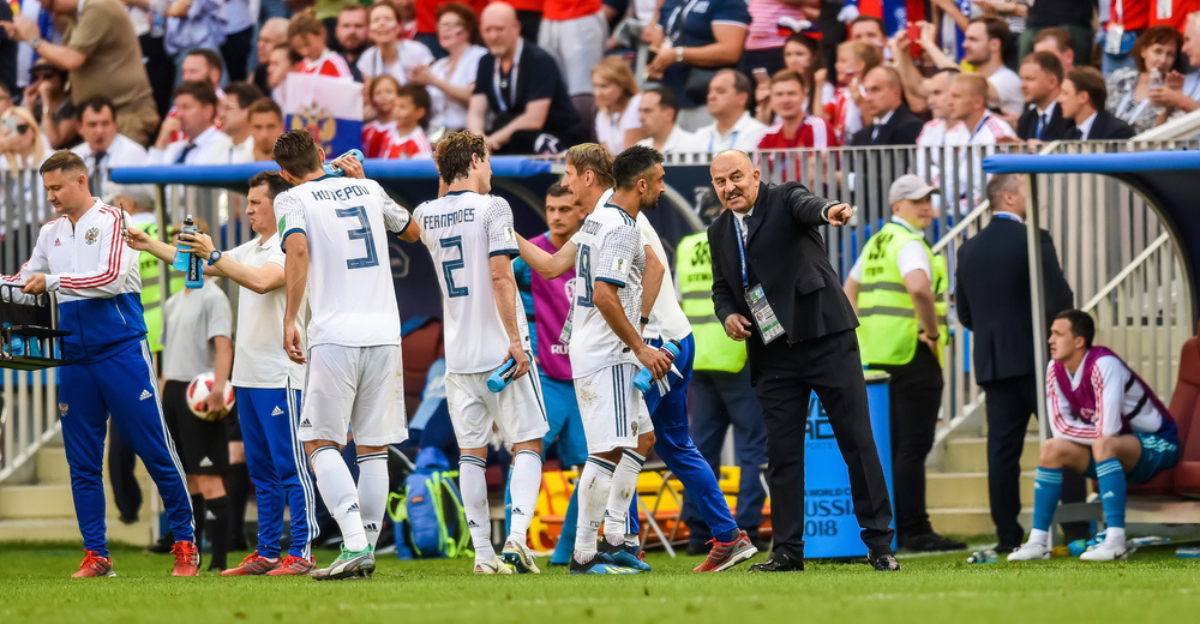
The 2026 FIFA World Cup has introduced a contentious new element: mandatory hydration breaks in every match, regardless of weather conditions. This marks a significant departure from previous tournaments where such stoppages were only implemented in extreme heat. The decision has drawn widespread criticism from fans, pundits, and players alike, with England supporters seen booing the breaks in stadiums and Netherlands star Virgil van Dijk voicing his disapproval.
FIFA President Gianni Infantino has addressed the growing controversy, explaining the rationale behind the 22nd and 67th-minute stoppages. Infantino emphasized player welfare and ensuring equitable conditions across all matches as the primary drivers for the new rule, dismissing claims that the breaks are designed for commercial gain.
FIFA defends player welfare and equal conditions
Infantino highlighted the demanding nature of the expanded World Cup schedule as a key factor. “The main reason is the heat, but we also have to understand that in a competition like the (FIFA) World Cup, played over 39 days, with teams potentially playing eight matches in those 39 days, having a moment to rest is extremely important,” he stated. This schedule, stretching over just over five weeks, places considerable physical strain on athletes.
Beyond player recovery, FIFA also aims to standardize match conditions. The organization argues that implementing breaks universally prevents coaches from gaining an unfair advantage due to varying temperatures between games. Historically, breaks were only called when temperatures reached specific thresholds, creating inconsistencies. Now, every team in every match will experience the same structured pauses, regardless of the local climate, even if some matches have featured “perfect weather conditions for football.”
Read also: Donald Trump set for prominent role in World Cup final
Commercial interests denied
A significant portion of the criticism has centered on the suspicion that these breaks are primarily for broadcasters to insert additional advertising, thereby generating more revenue for FIFA. Infantino vehemently denied these accusations, asserting that commercial considerations played no role in the decision.
“There is no additional revenue for FIFA, as all commercial agreements were signed well in advance. So, this is not a financial issue for us. For us, it is purely a sporting matter,” Infantino clarified in a statement published on inside.fifa.com. He stressed that the decision was made purely from a sporting perspective, focusing on player health and competitive fairness.
Despite the ongoing backlash, FIFA has confirmed that the mandatory hydration breaks are set to continue for the remainder of the World Cup, which concludes on July 19. The debate over their necessity and impact on the flow of the game, however, is likely to persist.
Read also: Clark wins U.S. Open as Shinnecock crowd turns hostile
Read also: Schumacher raises new Red Bull exit concern