Nielsen delivers a blunt verdict
Danish football expert David Nielsen saw a final shaped by Spain’s control and Argentina’s lack of attacking ideas.
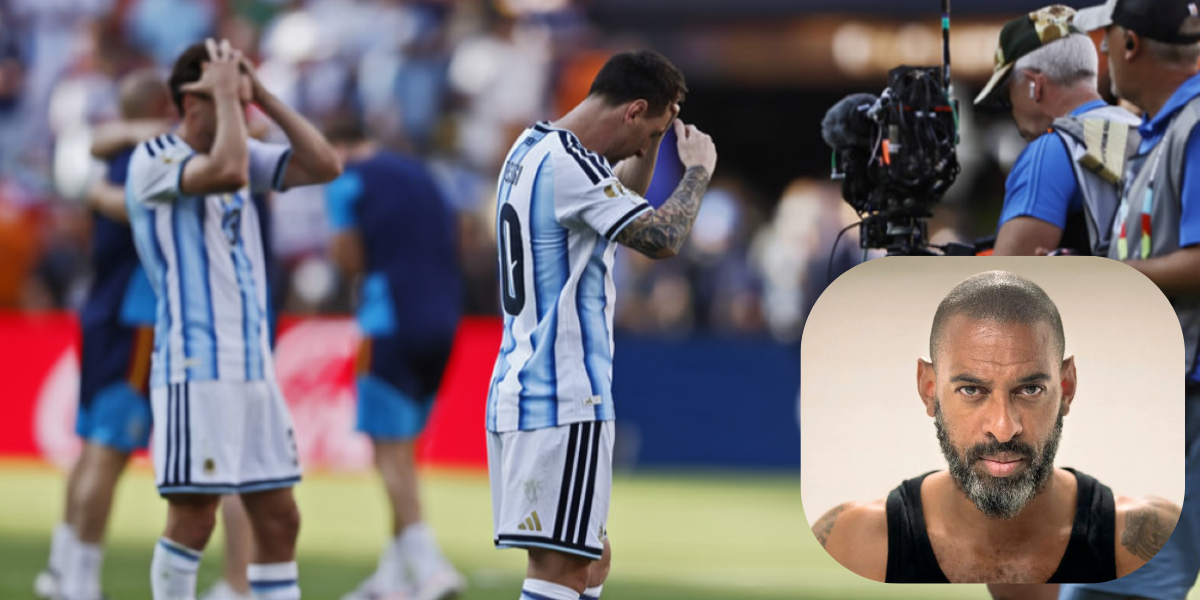
In comments reported by TV 2, he argued that Messi’s quiet performance reflected a wider problem within the Argentine team.
Without possession in dangerous areas, their captain was left with little chance to influence the contest.
Argentina fail to threaten Spain
“Argentina never created anything dangerous or established anything around Spain’s goal, which meant Messi didn’t come into play,” Nielsen stated.
Read also: Kylian Mbappe had just hit top form – now Real Madrid have a problem
Argentina remained deep for long periods and struggled to move the ball into Spain’s penalty area.
According to The Guardian’s tactical analysis of the final, their first attempt did not arrive until the 117th minute.
Messi remains on the edge of the game
Nielsen believed Messi was largely cut off from the players around him.
“Because Messi didn’t come into play at all in the match. It was really only at the end, when he moved out to the left, that we saw he could still influence the games.”
Read also: Premier League boss breaks silence with damning Manchester City statement
For most of the final, Spain denied him the space he normally uses to receive the ball and turn towards goal.
A late change offers a brief spark
Messi became more visible after drifting towards the left side during the closing stages.
The change allowed him to find small pockets of space away from Spain’s crowded central areas.
However, the improvement came too late to alter the course of the match.
Read also: Kasper Schmeichel finds completely new path after football retirement
Spain control every part of the contest
Spain dominated the ball, set the tempo and kept Argentina under pressure without losing their defensive shape.
As detailed by ESPN’s report on Messi’s difficult final, Spain finished with a 20–2 advantage in shots and completed almost twice as many passes as Argentina.
Their patience ensured that Argentina spent much of the game reacting rather than creating.
Nielsen praises the Spanish champions
Nielsen reserved his strongest praise for Spain and the way they approached the final.
Read also: Andy Murray reveals one major regret about Nadal and Djokovic
“All credit to Spain – I imagine it must be wonderful as a Dane to be on holiday there right now and be part of the fantastic celebration,” he remarked.
His comments reflected both admiration for the team and the scale of the celebrations that followed their victory.
Spain offer a footballing blueprint
For Nielsen, Spain’s success was about more than technical ability.
“Spain not only produces skilled footballers but also shows us how football should be played.”
Read also: Manchester United told to ‘nick’ two Man City stars if relegation hits
Their movement, passing and discipline allowed them to control the final while keeping one of the game’s greatest players quiet.
Torres settles the final
The match remained goalless until Ferran Torres struck in the 106th minute.
Spain won 1–0 after extra time, with Argentina already reduced to ten players following Enzo Fernández’s dismissal.
The winning goal was described by The Guardian’s live report from the final as the decisive reward for Spain’s patience and territorial control.
A difficult ending for Messi
Messi had played a major role in taking Argentina to another World Cup final, but Spain ensured there would be no final act of inspiration.
Argentina’s structure left him isolated, while Spain’s organisation removed the spaces he usually exploits.
Nielsen’s assessment was clear: Messi did not simply have a quiet game. Spain made sure he could never truly enter it.