World Cup glory is no golden ticket
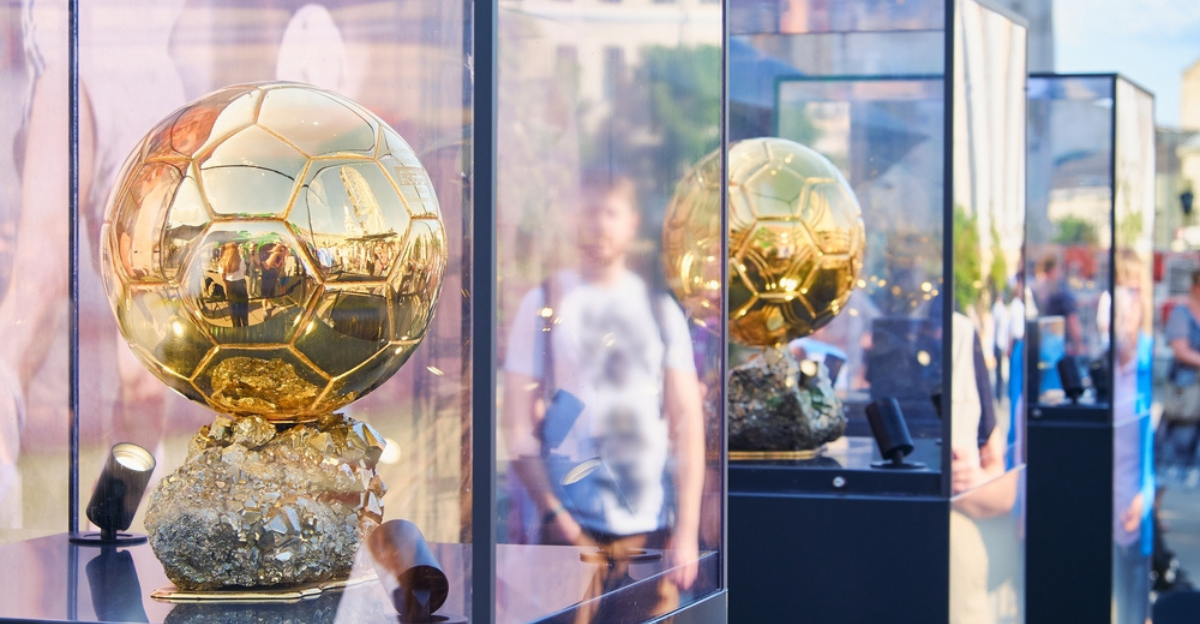
Lifting the World Cup may be the greatest team achievement in football, but it does not automatically deliver the Ballon d’Or.
That is the conclusion of a new analysis published on the award’s official website following the 2026 tournament.
The article challenges the popular belief that the leading player from the world champions must also receive football’s biggest individual prize.
Official verdict ends the debate
According to Théo Troude’s analysis for the official Ballon d’Or website, success on the international stage can strengthen a player’s case without guaranteeing victory.
Read also: Messi admitted he targeted one World Cup rival on purpose
“Yes, winning the World Cup helps, but it does not guarantee a Ballon d’Or.”
The wider season still matters, including performances for both club and country.
The numbers tell a different story
The official analysis examined the seven World Cups played from 1998 to 2022.
In four of those seven tournament cycles, the Ballon d’Or went to a player from the country that had won the World Cup.
Read also: Cristiano Ronaldo crisis forces Portugal chief into emergency action
That produces the reported success rate of 57%.
The original claim that four out of seven individual World Cup winners took the prize was therefore misleading. The statistic concerns seven tournaments, not seven players.
Three winners made it look inevitable
Zinedine Zidane completed the double after leading France to the World Cup title in 1998.
Ronaldo repeated the achievement with Brazil in 2002, before Fabio Cannavaro won both prizes with Italy in 2006.
Read also: Harry Kane breaks silence on Man City verdict
Three straight World Cups therefore ended with a member of the champion team receiving the Ballon d’Or.
For a time, the connection between the two trophies appeared almost unbreakable.
Messi breaks the pattern
That run ended after Spain won the 2010 World Cup.
Despite Andrés Iniesta scoring the winning goal in the final and Xavi playing a central role in Spain’s success, Lionel Messi received the Ballon d’Or for his performances with Barcelona.
Read also: Phil Taylor comes out of retirement for stunning darts return
The result showed that voters were prepared to look beyond the World Cup when assessing the strongest player across the full campaign.
Ronaldo wins without the trophy
The same happened four years later.
Germany won the 2014 World Cup, but Cristiano Ronaldo took the Ballon d’Or after a remarkable year with Real Madrid.
Germany goalkeeper Manuel Neuer finished third, while beaten World Cup finalist Messi came second.
Read also: ‘If you lie to me, I will leave’: Guardiola’s City warning takes on new weight
A world title had once again failed to decide the individual award.
Modrić defeats the champions
In 2018, France lifted the World Cup after beating Croatia in the final.
However, the Ballon d’Or went to Croatia captain Luka Modrić, who had also helped Real Madrid win the Champions League.
Antoine Griezmann was the highest-ranked member of France’s victorious squad, finishing third.
The result reinforced the idea that a player does not need to win the World Cup to top the final vote.
Messi brings back the double
The pattern returned when Messi led Argentina to the 2022 World Cup title and later received the 2023 Ballon d’Or.
The different years are important because the award has been based on a football season rather than a calendar year since 2022.
As described by the Ballon d’Or website’s explanation of the eligibility period, voters considered Messi’s performances during the 2022–23 season, including the World Cup and his final campaign with Paris Saint-Germain.
More than one tournament matters
The Ballon d’Or is not awarded solely for goals, assists or medals collected during the World Cup.
Individual impact remains central, but team success and conduct are also considered.
As outlined in UEFA’s guide to the Ballon d’Or voting system, the three main areas are individual performances, team achievements, and class and fair play.
One month cannot erase a season
A spectacular World Cup can transform the Ballon d’Or race, especially when a player delivers in the knockout rounds or the final.
However, a poor club season cannot always be erased by a handful of strong international performances.
The same principle works in reverse. A player can miss out on the World Cup trophy and still win the award after dominating for club and country across the season.
The message is clear: football’s biggest team prize offers a major advantage, but no automatic coronation.