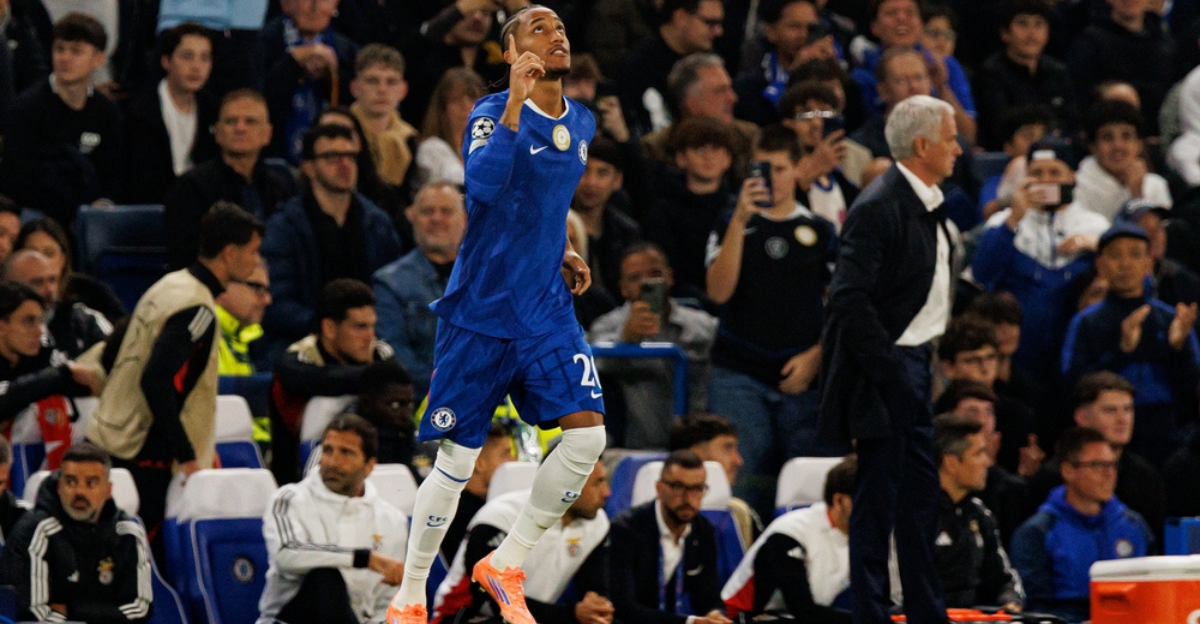
The debate over the best player at the 2026 World Cup did not end when Spain lifted the trophy in New Jersey.
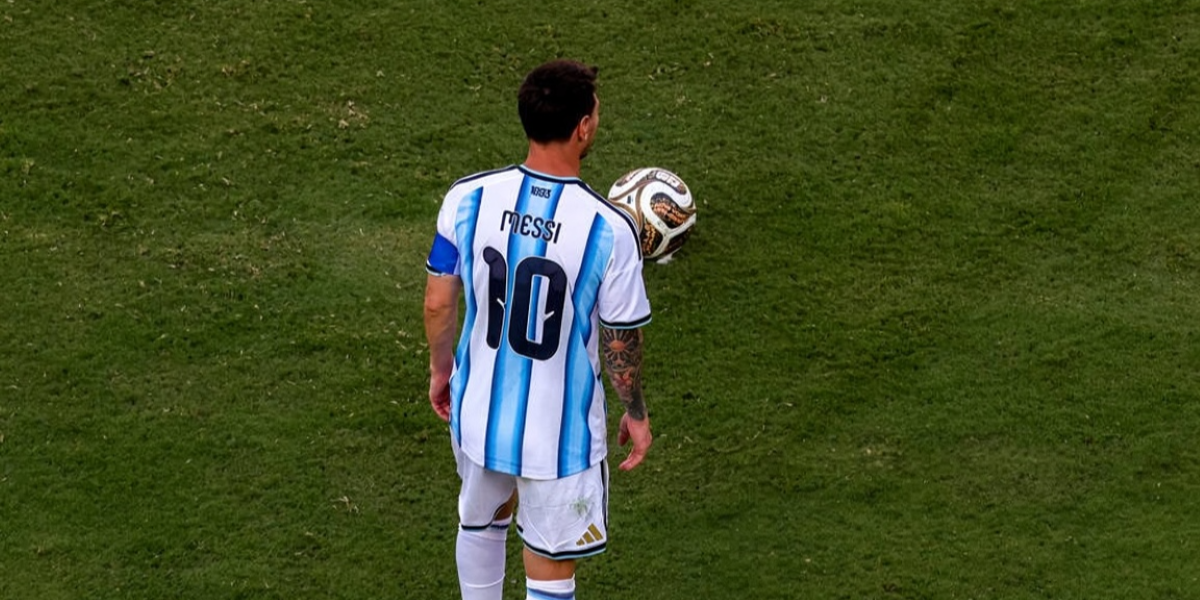
Rodri received FIFA’s Golden Ball after leading Spain to a 1-0 extra-time victory over Argentina in the final. Lionel Messi, who scored eight goals and provided four assists during Argentina’s run to second place, collected the Silver Ball.
A subsequent social media post claimed that 14 prominent sports organisations had independently rejected FIFA’s verdict and unanimously selected Messi as their player of the tournament.
That claim has spread widely, accompanied by the suggestion that FIFA’s decision disproved accusations that the governing body routinely favours the Argentina captain.
Read also: Harry Kane’s Ballon d’Or response says plenty without saying much
The evidence, however, tells a considerably more complicated story.
FIFA officially selected Rodri
According to FIFA’s official list of the 2026 World Cup award winners, Rodri won the Golden Ball as the tournament’s outstanding player, with Messi second and France’s Kylian Mbappé third.
The Spanish midfielder played in all eight of his country’s matches and was central to a team that conceded only one goal throughout the tournament.
Rodri completed more passes than any other player, led the competition for successful tackles and helped Spain control matches through possession and defensive positioning. In the final, he completed 101 of his 105 passes and won 80 per cent of his duels.
Read also: Roy Keane gives Manchester City stars brutal message over medals after guilty verdict
Messi’s attacking numbers were far more eye-catching. He finished with eight goals and four assists, taking the Silver Boot as the tournament’s second-highest scorer behind Mbappé.
His performances carried Argentina into a second consecutive final, but he was unable to produce a decisive contribution against Spain.
IFFHS did choose Messi
There is genuine support for the claim that some independent observers considered Messi the tournament’s best player.
According to the International Federation of Football History and Statistics’ assessment, Messi ranked first under its performance index.
Read also: Where Erling Haaland could end up if he leaves Man City
IFFHS said its verdict was based on weighted match ratings, goals, assists and knockout-stage influence. Messi’s combined total of 12 direct goal contributions placed him above every other player in its analysis.
That was a separate award based on IFFHS’s own methodology. It did not represent a wider ballot involving the other media outlets named in the viral post.
Several named outlets backed Rodri instead
The assertion that all 14 organisations independently chose Messi is contradicted by published articles from several outlets included in the list.
The Guardian was named among the supposed Messi supporters. Yet The Guardian’s panel of World Cup writers reached a consensus that Rodri had been the player of the tournament.
Read also: Javier Tebas breaks silence on what should happen to Man City next
A separate Guardian analysis described the midfielder as the competition’s standout performer, highlighting his passing accuracy, defensive work and importance to Spain’s structure.
Rodri led the tournament in tackles and completed more than 93 per cent of his passes. Spain also allowed opponents only 2.37 expected goals across eight matches, with Rodri providing protection in front of a defence that recorded seven clean sheets.
Goal was also included on the viral list, but Goal’s final Golden Ball power ranking placed Rodri first, ahead of Messi and Mbappé.
The publication argued that the award should recognise overall influence rather than goals alone and concluded that Rodri’s role in Spain’s title-winning campaign gave him the strongest case.
Read also: Messi admitted he targeted one World Cup rival on purpose
Reporting an award is not the same as making a selection
Other publications named in the post reported that Rodri had won FIFA’s award without publishing an independent verdict that Messi should have replaced him.
Sports Illustrated’s overview of the tournament’s individual awards described Rodri as the best player at the tournament and listed Messi as the Silver Ball recipient.
Bleacher Report similarly reported Rodri as the competition’s best overall player, while Goal published a separate article explaining how the Manchester City midfielder had beaten Messi to the award.
Sky Sports did question whether Rodri deserved to finish above Messi in its examination of the Golden Ball decision.
However, discussing the merits of two candidates is not equivalent to officially selecting Messi as player of the tournament. Sky also published extensive analysis praising Rodri’s return to his dominant best during Spain’s campaign.
No evidence of a unanimous media verdict
The central problem with the viral claim is that it treats very different forms of content as though they were identical votes.
An independent award from IFFHS, a team-of-the-tournament selection, an article praising Messi and a report on FIFA’s official ceremony do not all amount to naming the same player as the tournament’s best.
Messi was undoubtedly one of the defining figures of the World Cup. His eight goals, four assists and continued excellence at the age of 39 made his campaign extraordinary.
Rodri, meanwhile, was the controlling presence in the team that won the competition while producing one of the strongest defensive campaigns in World Cup history.
There is a legitimate football debate over which player was more deserving. One offered goals, creativity and individual inspiration, while the other provided control, balance and the foundation for a championship-winning team.
What cannot be supported is the suggestion that FIFA stood alone against a unanimous verdict from 14 of the world’s leading sports outlets.
The disagreement was real. The claimed consensus was not.