Formula 1 teams have retreated for their summer break after an electrifying 11 races, marking the halfway point of a 2026 season defined by the sport’s most radical rule changes in history. New aerodynamic and engine regulations have reshaped the competitive landscape, ushering in a new era where a prodigious talent has emerged, an elder statesman has found new life, and technical controversies simmer.
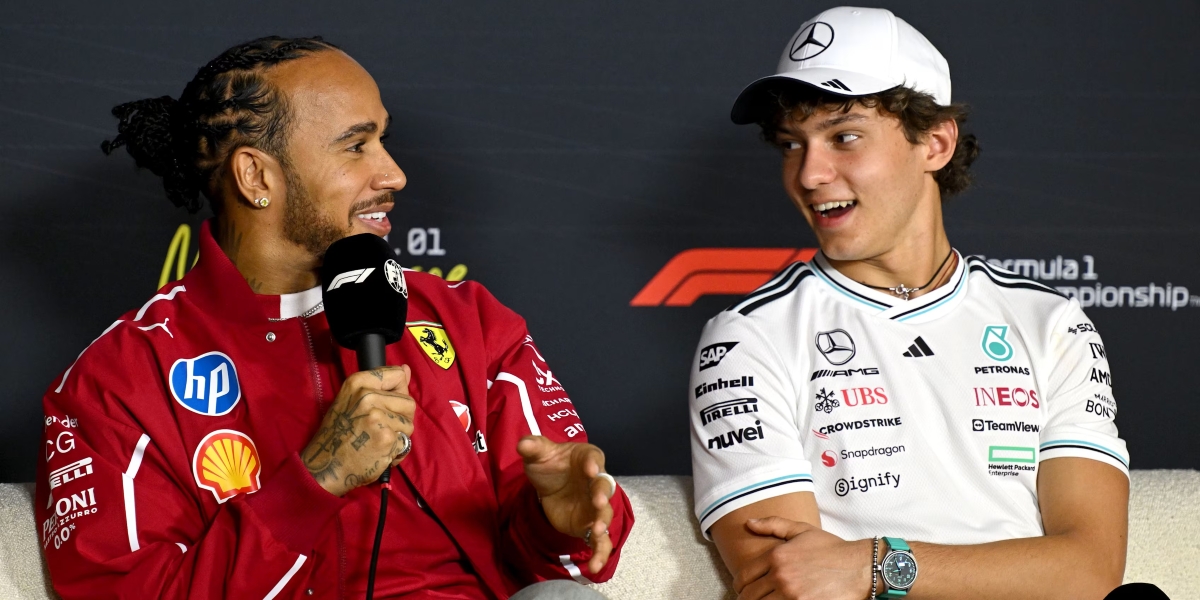
At just 19 years old, Kimi Antonelli has taken the Formula 1 world by storm. After a challenging maiden season in 2025 where he struggled to live up to his “generational talent” billing and was comprehensively outpaced by George Russell, Antonelli underwent a “gargantuan step in development” over the winter. Now, in 2026, he is dominating his Mercedes teammate in what is clearly the grid’s best car, contributing significantly to Mercedes’ eight wins and ten pole positions in the first 11 Grands Prix. Antonelli currently leads the championship by a commanding 50 points.
His closest challenger is none other than 41-year-old Lewis Hamilton, who has experienced a remarkable resurgence at Ferrari. After a difficult final season at Mercedes in 2024 and a challenging maiden year with the Scuderia in 2025 that saw his career reach its lowest point, Hamilton has defied expectations. He secured a memorable victory at the Spanish Grand Prix and sits second in the championship standings. Reflecting on his struggles, Hamilton admitted, “There were definitely moments that I was like: ‘Sheesh, maybe it is true that, you know, when you get to a certain point, you lose it.’” Despite his strong form, Hamilton has also accumulated four penalties in the past three races, indicating a fiery edge to his late-career push.
Engine regulations spark controversy
The 2026 season’s engine regulations, intended to balance internal combustion and electrical power, have proven contentious. While nominally a 50-50 split, the actual distribution is closer to 53-47. This has led to cars being “energy starved,” with approximately 540bhp available when the battery is depleted. The FIA was reportedly warned repeatedly about this energy starvation issue in the years leading up to 2026. After just three races, tweaks were made to the engine rules, with further modifications planned to shift the split to 60-40 by 2028, with an intermediate step in 2027. Max Verstappen voiced his frustration, stating, “Sometimes people say: ‘Ah yeah, but this was a great race.’ I say: ‘Yeah, but it’s not really realistic the way we are racing.’… it’s a little bit painful, which I could see coming already for years.” Fernando Alonso also famously dubbed the cars “charging stations,” highlighting the drivers’ concerns.
Read also: Roy Keane goes nuclear on Man City after 114 guilty findings
Team fortunes diverge dramatically
While Mercedes and Ferrari enjoy their battles at the front, other teams have faced starkly different realities, as reported by BBC Sport. Aston Martin, a team boasting Adrian Newey, Honda power units, Fernando Alonso, and Lawrence Stroll’s funding, endured an “embarrassment” of a first half-season. They spent the initial 10 races “right at the back” of the grid. However, a “massive upgrade package” introduced at the Hungarian Grand Prix before the break reportedly shaved two seconds off the car’s lap times, offering a glimmer of hope. A new Honda engine is also due for the next race, the Dutch Grand Prix, scheduled for August 21-23. At 44, Alonso is out of contract at the end of 2026, adding pressure to Aston Martin’s turnaround.
Conversely, Williams, under team principal James Vowles since 2023, has regressed significantly. After finishing fifth in the constructors’ championship in 2025, their 2026 car was late and overweight by about 25kg. This has left Carlos Sainz and Alex Albon piloting a machine that has been the ninth fastest team on average, nearly 0.4 seconds slower than Haas. Only Aston Martin and newcomers Cadillac were initially slower, but Aston Martin’s recent upgrade likely leaves Williams as the 10th best team. Vowles, who had made similar comments about the 2024 car being late, remains philosophical, stating, “Never let a good crisis go to waste… as painful as it’s been, I believe we had to go through it as well.”
As Formula 1 heads into its summer hiatus, the 2026 season has already delivered a captivating blend of generational shifts, veteran comebacks, and the inherent challenges of groundbreaking technical regulations. The second half promises more drama as teams adapt, and the battle for supremacy continues.
Read also: Here is Foden’s Man City exit route