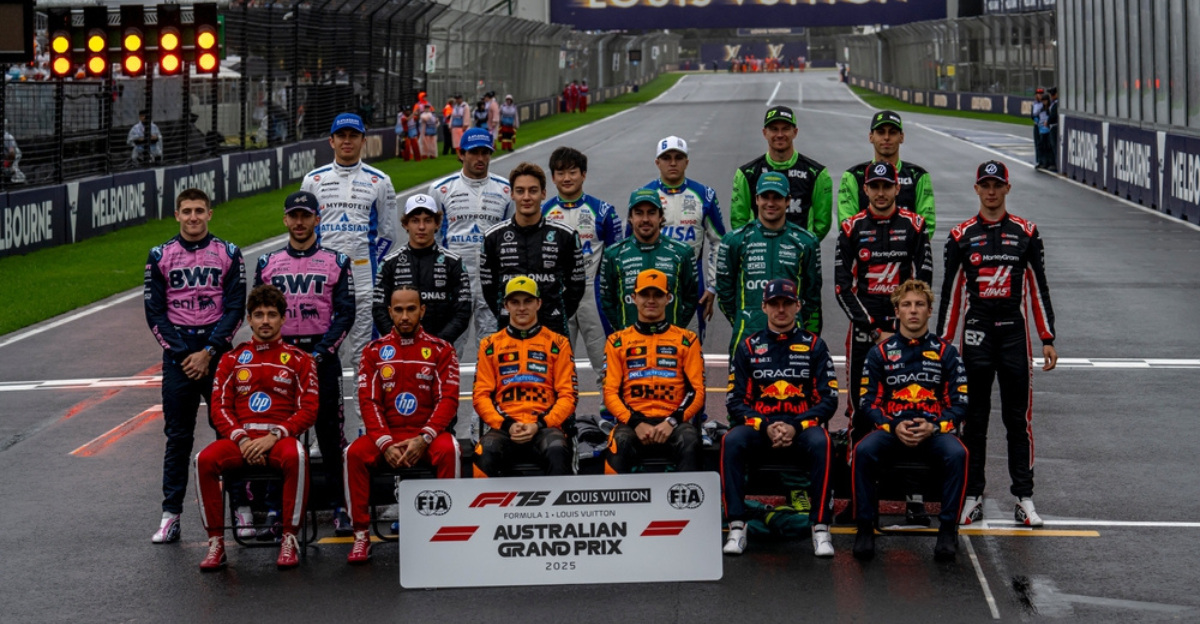
Formula 1 president Stefano Domenicali has confirmed that the release of the 2027 F1 schedule has been delayed until the autumn, as the sport grapples with ongoing conflict in the Middle East. The uncertainty has forced F1 to develop extensive contingency plans, particularly for its races in the region.
The situation has already impacted the 2026 calendar, with both the Bahrain Grand Prix and the Saudi Arabian Grand Prix being cancelled. Looking ahead to 2027, there’s a possibility that the Qatar and Abu Dhabi Grands Prix could also be shelved, potentially leading to the season concluding in Europe.
“In case the situation in the Middle East is not solved, we have options, different plans [for 2027],” Domenicali stated, as reported by SportBible. “But the trigger for that, of course, is at the end of the year, so we have still a lot of time to adjust.” He emphasized F1’s commitment to maintaining a full schedule despite the challenges. “Just to assure you, we have different plans with different options already in place that will accommodate the fact that we will keep, in any case, the target of 24 races also for next year.”
Global expansion and new prospects
Despite the regional hurdles, F1 remains intent on its target of 24 races for the 2027 season and is actively pursuing new locations globally. As part of immediate adjustments, Turkey and Portugal are set to return to the F1 calendar, replacing the Grands Prix at Zandvoort and Barcelona.
Read also: FIFA's presidential election: rules, history, and Infantino's uncertain future
Beyond these immediate changes, F1 is engaged in discussions with several countries for potential future additions, though any further new venues would likely join the 2028 schedule at the earliest. Domenicali highlighted the broad geographical scope of these talks:
- Rwanda
- South Africa
- Thailand
- Argentina
Domenicali elaborated on the global interest, saying, “Negotiations are progressing very well in Africa. We are having other discussions in South America. We have discussions in the Far East. One thing that I can tell you is that we have more requests in China and Japan, but for the moment, we want to stay with one race in China because we need to consolidate the market before thinking about having other options there.”
Germany’s potential return
Intriguingly, Germany, a traditional heartland of motorsport, could also make a comeback to the F1 calendar. The Hockenheim circuit, which last hosted an F1 race in 2019 due to financial issues, is now under new ownership and actively developing its motorsport park. Discussions between Hockenheim’s new management and F1 have already taken place.
The dynamic nature of the F1 calendar, balancing geopolitical realities with ambitious global expansion, underscores the sport’s adaptive strategy as it navigates an ever-changing landscape.
Read also: The 2026 Ballon d'Or favourite is clear after 35,000 fans cast their votes
Read also: Gianni Infantino's FIFA future in doubt as 2027 election details emerge