A political decision with sporting consequences
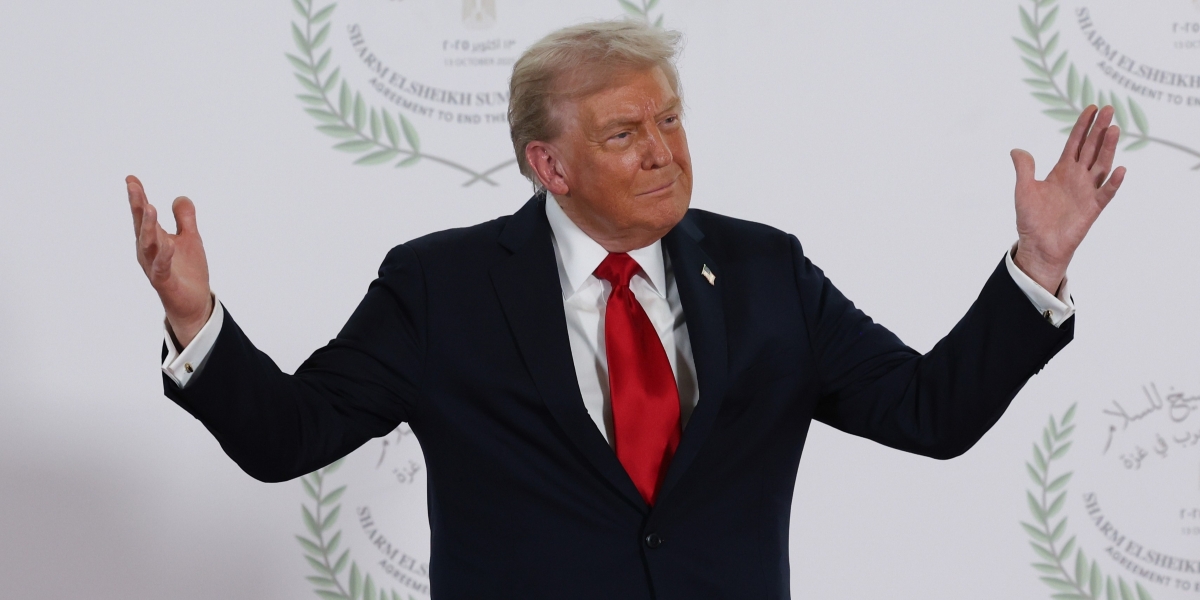
Donald Trump has repeatedly presented himself as the president who brought the world’s biggest sporting events to the United States. However, a financial confrontation between Washington and the World Anti-Doping Agency could leave him facing an extraordinary sanction when the Olympics arrive in Los Angeles in 2028.
The United States has withheld approximately $7.3 million in payments to WADA covering two years. In response, the global anti-doping authority has considered introducing a rule that could prevent government representatives from countries deliberately withholding their contributions from attending major international sporting events.
According to The Associated Press, such a sanction could theoretically place Trump and other American officials on a list of people barred from Olympic events. The practical enforceability of that decision remains uncertain, particularly when the Games are taking place on American soil, but the threat underlines how far the dispute has escalated.
WADA prepares for crucial meeting
WADA postponed its original discussion of the proposed rule in March, saying the matter would be considered again in September. The organisation’s Executive Committee will meet in Belgrade on September 10 and 11, as confirmed by WADA’s official calendar.
Read also: The wheelchair champion beat the sub-two-hour man, and London Marathon has its 2027 schedule
WADA has not publicly confirmed that a vote on sanctions against governments with unpaid contributions will take place at the meeting. Nevertheless, it is the first scheduled Executive Committee meeting since the World Cup and therefore represents the next possible stage in a confrontation that has remained unresolved throughout 2026.
If the proposal eventually receives the necessary approval from WADA’s Foundation Board, officials representing countries that deliberately refuse to pay could lose access to events governed by the global anti-doping system. American athletes would not automatically be banned, but their government could lose further influence inside the organisation responsible for setting and enforcing international anti-doping rules.
Trump inherited the dispute but chose to continue it
The conflict cannot be attributed solely to Trump. The first of the two outstanding payments was withheld under Joe Biden’s administration in late 2024, following criticism of WADA’s handling of 23 Chinese swimmers who tested positive for trimetazidine before the Tokyo Olympics.
Chinese authorities concluded that the swimmers had probably been exposed to the prohibited substance through environmental contamination at a hotel. WADA accepted that explanation and did not appeal the decision, allowing several of the athletes to compete at the Olympics. American officials and the United States Anti-Doping Agency argued that the case had not been handled with sufficient independence or transparency.
Read also: Kimi Antonelli issues warning to George Russell with Mercedes vow
However, Trump’s administration has maintained the payment freeze rather than attempting to settle the dispute. The political foundation for withholding money was created during Trump’s first presidency, when Congress and the White House gave the Office of National Drug Control Policy greater authority to suspend contributions if WADA was judged not to be acting fairly or effectively.
A United States Senate committee report described the withheld 2024 contribution as approximately $3.7 million and supported making Washington’s power to withhold future payments permanent. The report argued that WADA must adopt governance reforms and provide the United States with fair representation before receiving further funding.
The two sides disagree over who is protecting athletes
The American position is that withholding the money protects clean athletes by forcing WADA to become more transparent. USADA chief executive Travis Tygart has claimed that the global body left Washington with no responsible alternative after refusing requests for greater accountability and an independent examination of its operations.
In a statement published by USADA, Tygart insisted that the missing American contribution would have no effect on the right of US athletes to compete. He also argued that the country’s domestic testing programme would continue operating under the World Anti-Doping Code.
Read also: Gyokeres says bloody socks is normal procedure
WADA presents the consequences very differently. Director general Olivier Niggli has warned that political decisions to withhold national contributions create instability throughout the global system. “Ultimately, those who are most directly and most negatively impacted are athletes around the world,” he said after the proposal was postponed earlier this year.
The United States was previously the largest individual government contributor to WADA, with its annual payment representing approximately six percent of the organisation’s budget. Losing that money does not immediately dismantle American drug testing, but it leaves the international body with fewer resources for investigations, scientific research, compliance monitoring and assistance to countries with smaller anti-doping programmes.
Los Angeles is becoming the pressure point
The dispute carries additional significance because the United States is preparing to host the 2028 Olympics. Trump will still be president when the Games begin, making it politically difficult for WADA to threaten sanctions against American officials without confronting the most powerful person in the host country.
There are also serious doubts about whether WADA, the International Olympic Committee or local organisers could realistically prevent a sitting American president from entering an Olympic venue in Los Angeles. Former US representative Rahul Gupta has dismissed the idea as practically unenforceable, while WADA has previously suggested that any new rule may not apply retroactively to events that were awarded before its introduction.
Read also: John Stones has been convicted: “Nothing to say”
Even if Trump is never physically excluded from an Olympic arena, the sporting cost is already visible. The United States has lost representation on WADA’s leading decision-making bodies because of its unpaid contributions, while one of the world’s most influential sporting nations is moving towards the Los Angeles Games without a functioning political relationship with the global anti-doping authority.
Trump’s administration may regard the missing $7.3 million as leverage in a fight for reform. WADA considers it a threat to the funding system that protects clean competition. Unless one side changes course, the president who wants to place himself at the centre of America’s sporting decade risks turning his own Olympic Games into the next stage of that battle.
Read also: Botev Plovdiv president shot in the head after Bulgaria’s Nations League tie