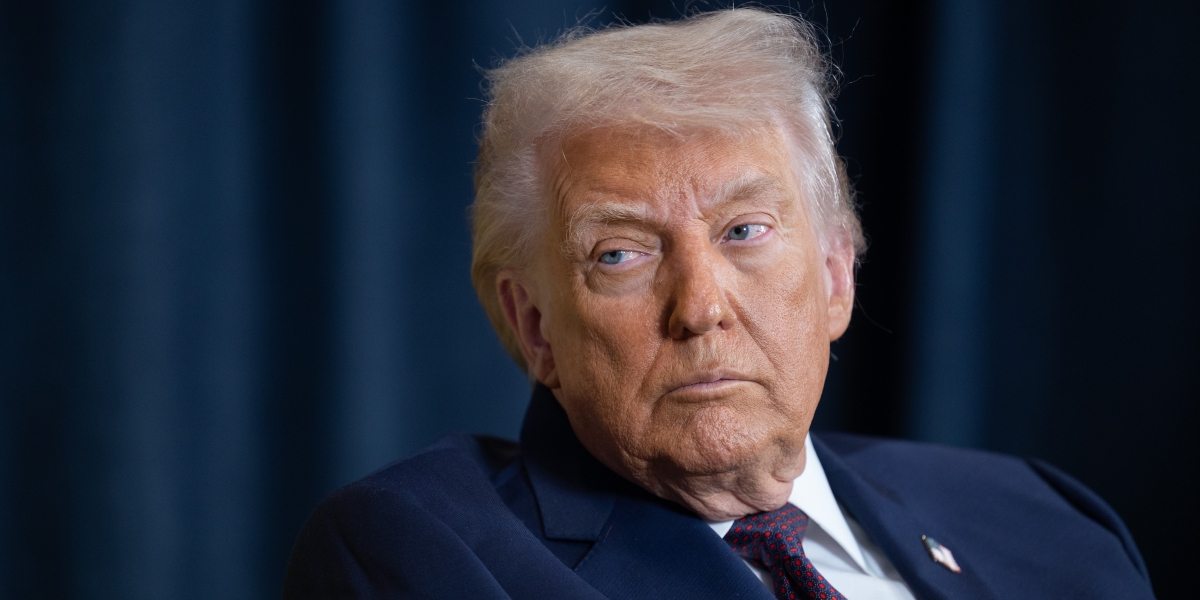
For six weeks, the sharpest tool in President Donald Trump’s push to reshape college athletics has been the threat of federal money. Since August 1, it is real. Sections 3 through 6 of Executive Order 14400 took effect that day, directing federal agencies to decide whether NCAA rule violations should make a university ineligible for federal grants and contracts.
Signed on April 3, 2026, the order applies only to institutions generating “not less than $20,000,000 in total revenue” from intercollegiate athletics in the previous academic year. That covers essentially every Power Four program and a long list of schools beyond it.
How the funding lever actually works
The order does not itself cancel a single dollar. What it does is push the enforcement decision onto the agencies that write the checks. Agency heads are told to evaluate whether violations of governing body rules on eligibility, transfers, revenue sharing and improper financial activities should feed into suspension or debarment. The Office of Management and Budget Director is required to issue guidance on how those decisions get made.
Around that funding lever sits a broader federal push. The Attorney General is directed to challenge state laws that clash with governing body rules, the Federal Trade Commission is told to enforce federal law against student-athlete agents, and the Department of Education is being asked to write reporting rules on roster spots and athletic spending by gender.
Read also: Manchester City face new panel that could reopen the 115-charge verdict
The eligibility crackdown itself tells the NCAA to run with a “five-year participation window,” structured transfer rules, a ban on “pay-for-play agreements facilitated by collectives,” and revenue sharing designed to protect women’s and Olympic sports.
Louisiana becomes the first courtroom fight
Enter LSU. On September 3, the Southeastern Conference filed suit against LSU and head coach Lane Kiffin in Alabama federal court, alleging the school “waged a deliberate and coordinated campaign to recruit professional athletes” in defiance of new SEC eligibility rules. Named in the complaint are former New Orleans Saints defensive lineman Zxavian Harris, former Cleveland Browns tight end Dae’Quan Wright and former Denver Broncos defensive back Blake Cotton.
One day later, Louisiana state judge William Jorden issued a preliminary injunction that enjoined the NCAA, the SEC and even LSU from stopping the players from suiting up, just before LSU’s Friday roster deadline.
The lawsuit does not cite Executive Order 14400. It is a straight fight over the SEC’s eligibility rulebook. But it is the kind of dispute the order was written to reinforce: SEC Commissioner Greg Sankey provided an affidavit stating that the conference’s member university presidents voted 15-0 in favor of the new rules, with LSU abstaining. Under the order, a governing body rule that survives court challenge is one federal agencies could later treat as binding when they decide whether a school stays eligible for grants and contracts.
Read also: UK Tax-service (HMRC) is coming after Manchester City now
The Senate bill that would harden all of it
A separate track is moving through the Capitol. The Protect College Sports Act, a 171-page bill co-authored by Senators Ted Cruz, Eric Schmitt and Maria Cantwell, passed the Senate Commerce Committee 19-9 in June and was cleared for a floor vote in September after the summer recess.
The bill would codify NIL protections, set a revenue-sharing cap of $48.8 million and put a five-year probationary period on conference moves. Senate Majority Leader John Thune has committed to “a date certain in September” for the floor vote, according to Cantwell. Cruz and Schmitt have said they want Trump to sign the bill “on College GameDay in the fall.”
Read also: The huge job Jose Mourinho rejected for Real Madrid – and why it could already haunt him