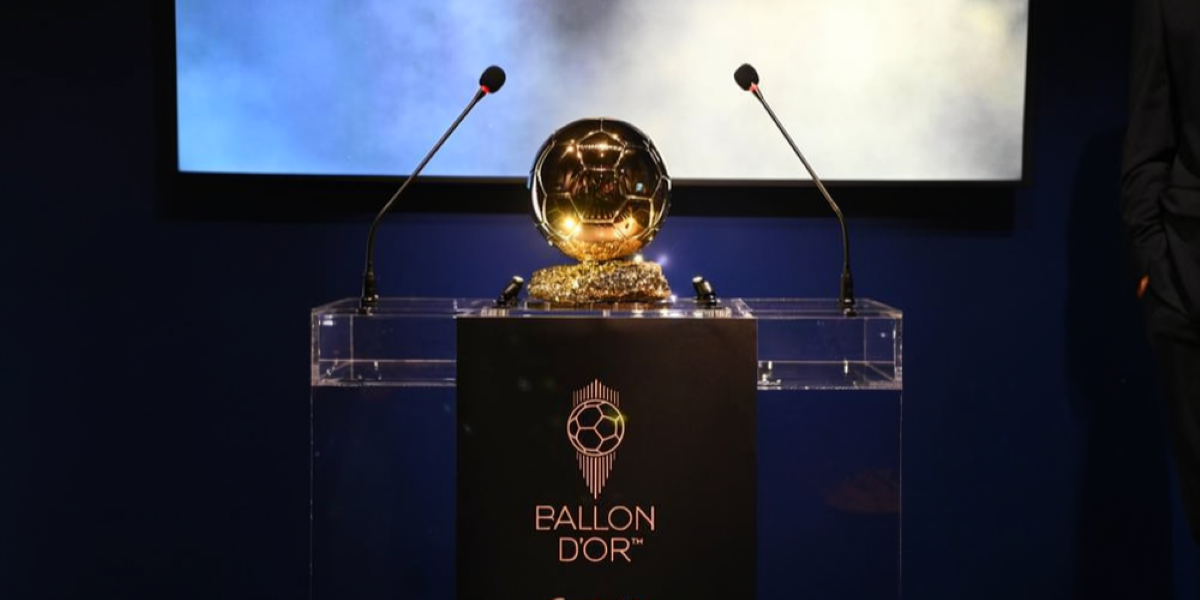
The shortlist for the 2026 Ballon d’Or has finally been revealed, placing some of football’s biggest names in direct competition for the game’s most prestigious individual prize. Harry Kane, Lamine Yamal, Kylian Mbappé, Rodri and Lionel Messi are all included, while reigning winner Ousmane Dembélé has the opportunity to retain the trophy.
The 30 names were circulated in the announcement shared by Fabrizio Romano, with the list reflecting both the 2025/26 club season and the expanded World Cup that concluded on 19 July. Paris Saint-Germain dominate the shortlist after retaining the Champions League, while six members of Spain’s world-champion squad have also made the cut.
This is not a ranking of the players’ careers or their overall ability. It is a projection of their chances in this particular vote. According to the rules published alongside the shortlist by L’Équipe, voters must prioritise individual performances and decisive moments, followed by collective achievements and then class and fair play. The same source provides the season totals used throughout this ranking.
The World Cup has inevitably altered the order. Rodri was named the tournament’s best player, Mbappé collected the Golden Boot with 10 goals, Pau Cubarsí won the Best Young Player award and Spain defeated Argentina in the final, as confirmed in FIFA’s official awards summary. Recent markets still make Kane the clear favourite, but this is an unusually deep field with several credible winners.
Read also: ‘I’m not confident’: Red Bull chief delivers troubling verdict on Verstappen’s car
30. Willian Pacho
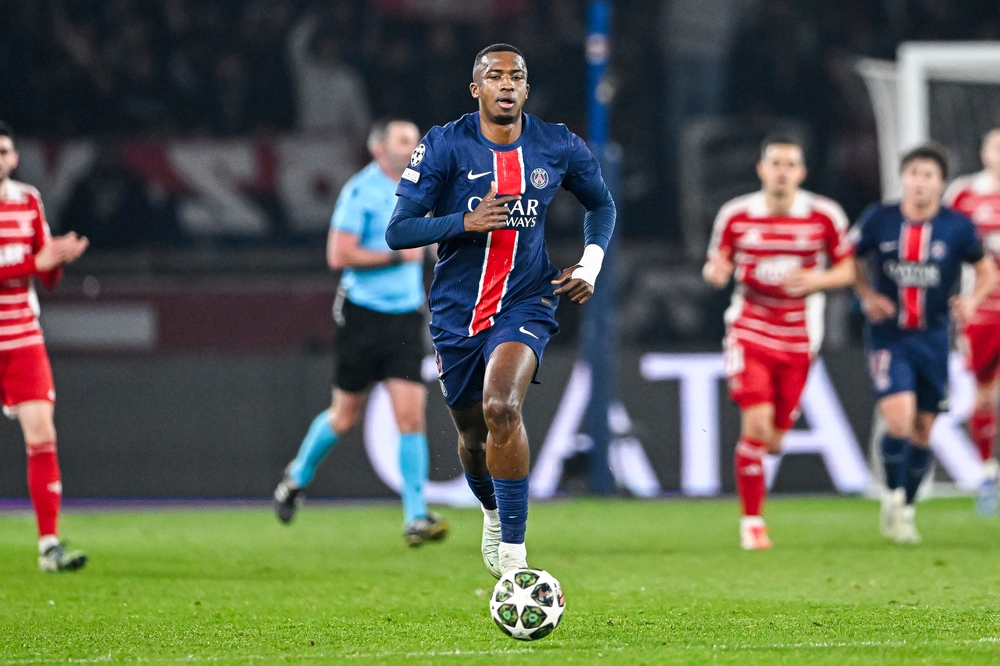
Willian Pacho’s first Ballon d’Or nomination is deserved recognition for a defender who became part of the strongest club side in Europe. The Ecuador international played 56 matches, helped Paris Saint-Germain retain the Champions League and collected five trophies across a season of relentless success. His speed, anticipation and comfort defending large spaces gave PSG the security required to play such aggressive football. The difficulty is separating his personal case from the collective one. Pacho recorded two goals and one assist, Ecuador did not produce the kind of World Cup run that could transform his candidacy, and several of his club teammates had more visible roles in PSG’s triumphs. Centre-backs already face a significant disadvantage in this award, and Pacho is competing for votes against Marquinhos within the same defence. He belongs on the shortlist, but a place near the bottom of the final standings appears most realistic.
29. Marquinhos
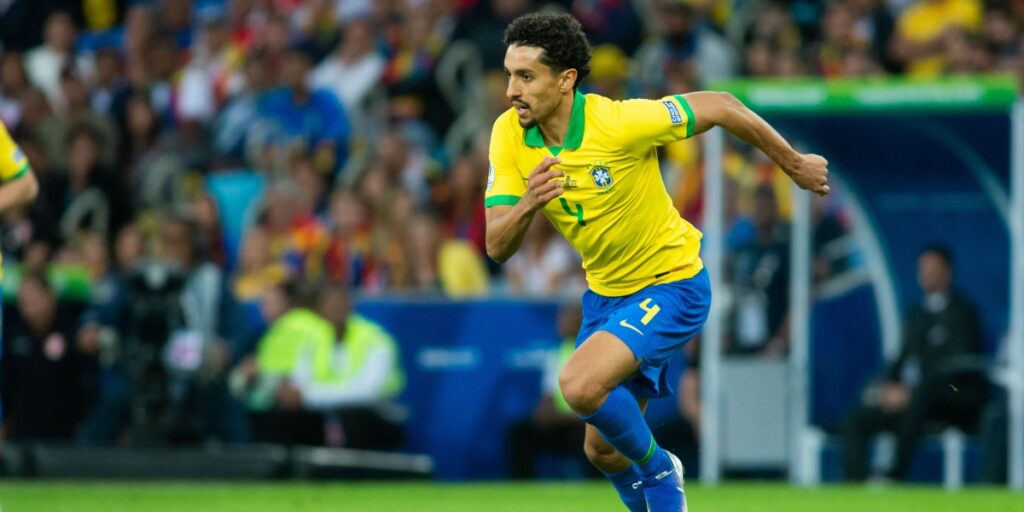
Marquinhos finally added another Champions League title to a career that has already brought extraordinary domestic success in France. As PSG captain and defensive leader, he provided the authority and experience behind a side that also won Ligue 1, the Intercontinental Cup, the UEFA Super Cup and the Trophée des Champions. That collection of medals gives him one of the strongest team résumés among all 30 nominees. Yet the Ballon d’Or is decided primarily on individual influence, and this was not a season built around Marquinhos as its defining figure. He made 43 appearances, scored twice and did not register an assist, while Brazil’s World Cup campaign did little to push him into the leading conversation. Nine PSG players are nominated, creating an obvious risk that the club’s votes will be divided. Marquinhos was essential to the structure, but others supplied the decisive moments likely to attract points.
28. Dayot Upamecano
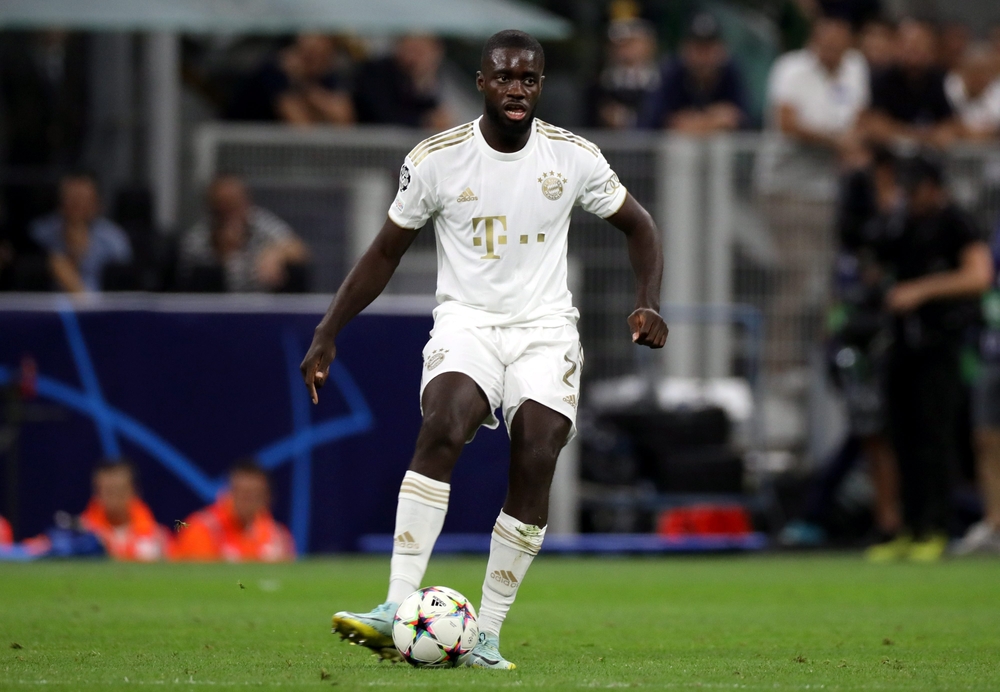
Dayot Upamecano was an important part of a Bayern Munich team that swept the domestic honours and provided the platform for the most devastating attack in Europe. The French defender appeared 58 times, contributed two goals and four assists and finished the campaign with Bundesliga, DFB-Pokal and German Super Cup medals. His pace remains particularly valuable to Bayern because it allows the team to defend higher and compress the pitch. However, a Ballon d’Or ballot rewards players who were not merely excellent but unmistakably central to the story of the season. Harry Kane, Michael Olise and Luis Díaz all have louder statistical and narrative claims from the same Bayern side. France then finished fourth at the World Cup, denying Upamecano the international trophy that could have elevated a defender into serious contention. A first nomination is a meaningful achievement, but a substantial share of the vote would be surprising.
27. Marc Cucurella
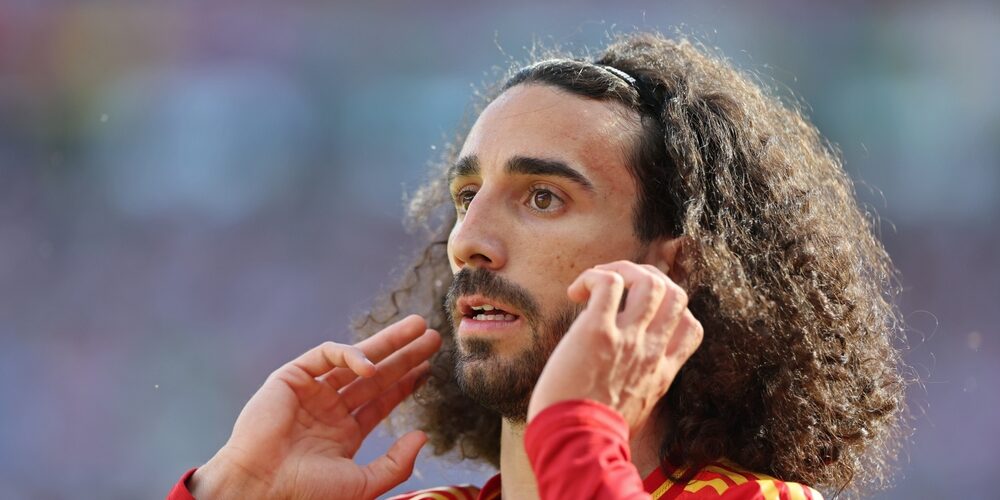
Marc Cucurella’s year ended with the biggest prize available after he helped Spain win the World Cup. He played 65 matches across the season, supplied seven assists and completed a summer move from Chelsea to Real Madrid, underlining how much his reputation has grown. His energy, aggression and willingness to defend on the front foot made him a valuable part of Spain’s title-winning squad. The challenge is that Ballon d’Or voters must distinguish between belonging to the best team and being one of its decisive individual forces. Cucurella did not win a major club trophy before leaving Chelsea, and his two goals and seven assists are solid rather than overwhelming for a modern full-back. He also faces internal competition from five other Spanish nominees, including Rodri, Lamine Yamal and Ferran Torres, whose World Cup moments will command far more attention. The medal earns him respect, but probably not a high finish.
Read also: Man City hit back at Premier League with explosive accusation
26. Pau Cubarsí
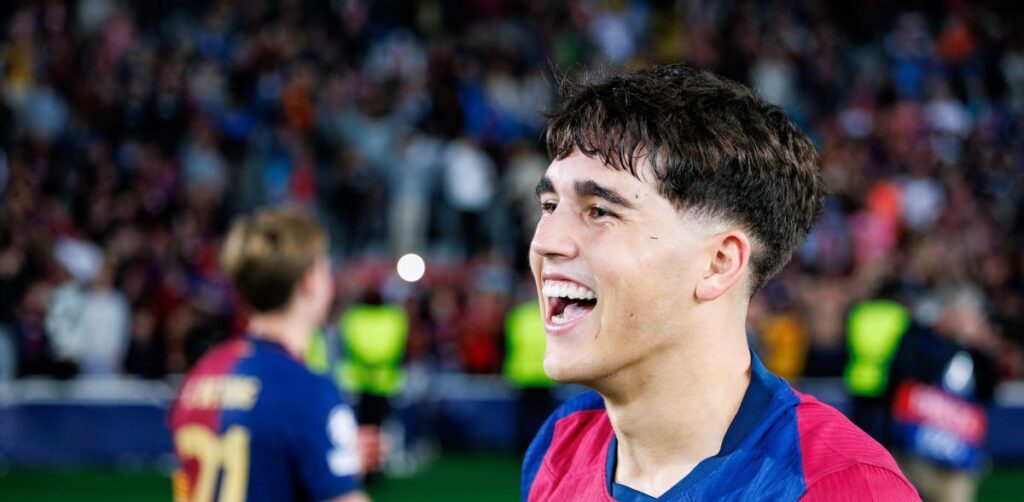
At only 19, Pau Cubarsí has already completed a season many established defenders will never match. He made 62 appearances, became a regular for Barcelona, won La Liga and then helped Spain conquer the world. His tournament ended with the Best Young Player award, a remarkable distinction in a competition featuring many of football’s most celebrated young stars. Cubarsí’s reading of danger and composure in possession are far beyond what should reasonably be expected at his age. Nevertheless, this ranking concerns the 2026 award rather than his enormous future potential. His statistical return of one goal and two assists gives voters few obvious headline moments, while Rodri and Lamine Yamal will absorb much of the credit for Spain’s success. A defender can win the Ballon d’Or, but usually only after becoming the undisputed symbol of a historic campaign. Cubarsí is not quite there yet, although this is unlikely to be his final nomination.
25. Julián Quiñones
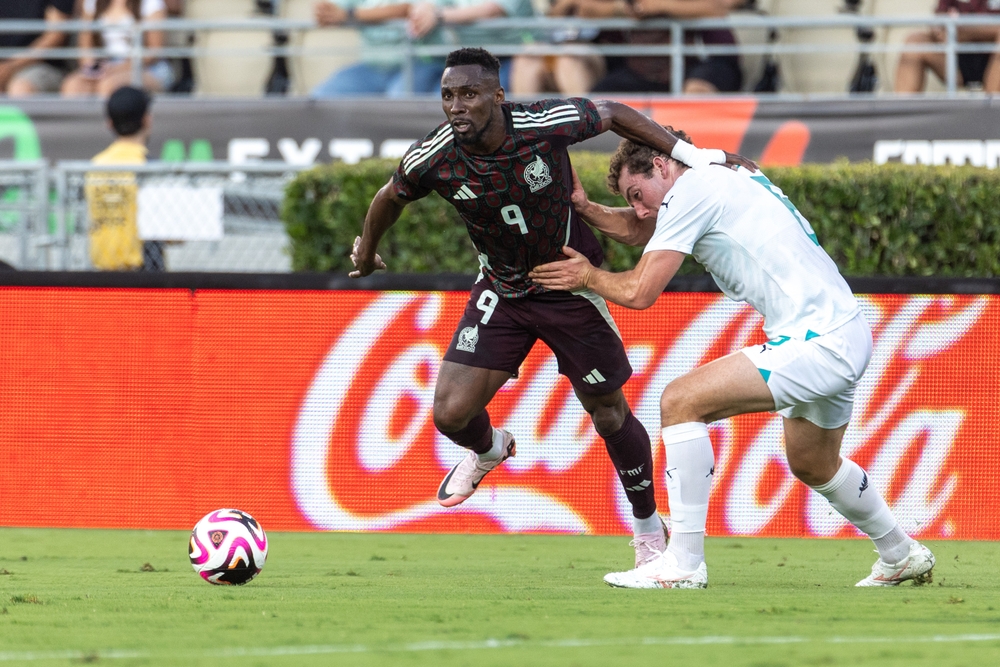
Julián Quiñones is the shortlist’s great outsider and one of its most interesting inclusions. The Mexico forward scored 41 times in 46 matches, finished as the Saudi Pro League’s leading scorer and then carried that form into an eye-catching World Cup. Those numbers compare favourably with almost anyone in the field and explain why his first nomination should not be dismissed as a novelty. He offered both volume and consistency, turning a prolific domestic campaign into a platform for international recognition. His ceiling in the vote is limited by two factors. Al-Qadsiah did not win a major trophy, and performances in Saudi Arabia are still likely to be judged more harshly than equivalent numbers in the Champions League or Europe’s strongest domestic competitions. Mexico’s World Cup run created attention without producing a medal. Quiñones has done enough to avoid last place, but breaking into the top 20 would still represent a major surprise.
24. Sadio Mané
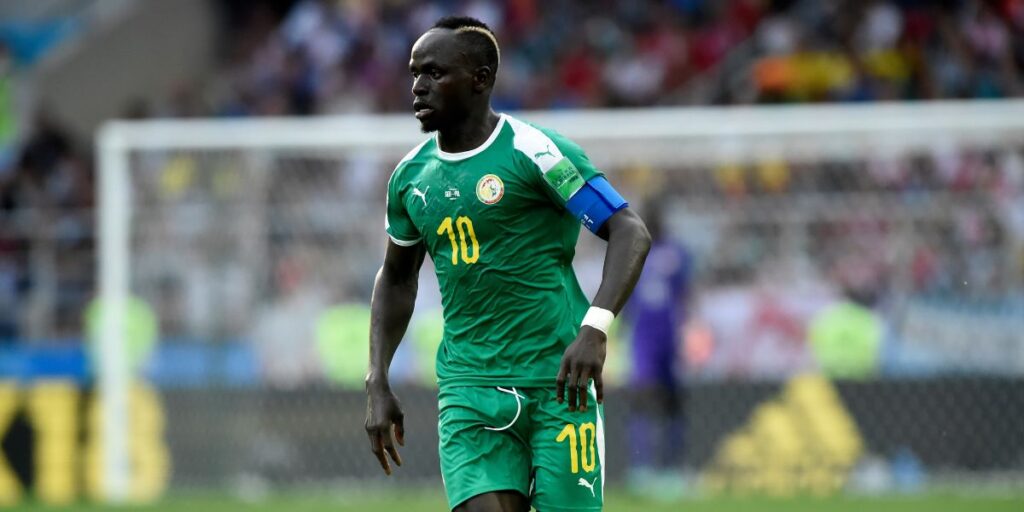
Sadio Mané returned to the Ballon d’Or shortlist after a season in which he combined productivity with silverware. The Senegalese forward registered 24 goals and 13 assists in 55 appearances and helped Al-Nassr win the Saudi championship. At 34, his continued ability to influence matches at this level deserves recognition, particularly after several years in which he had drifted away from the award’s main conversation. His pedigree will also be familiar to voters, who placed him second behind Karim Benzema in 2022. This time, however, reputation can only carry the argument so far. Mané was not the leading scorer in his own league, Senegal did not give him a defining World Cup platform and the standard of the Saudi competition will inevitably be considered. The nomination confirms that his elite career still has life, but his case lacks the signature performance required to challenge the European and World Cup standouts above him.
23. William Saliba
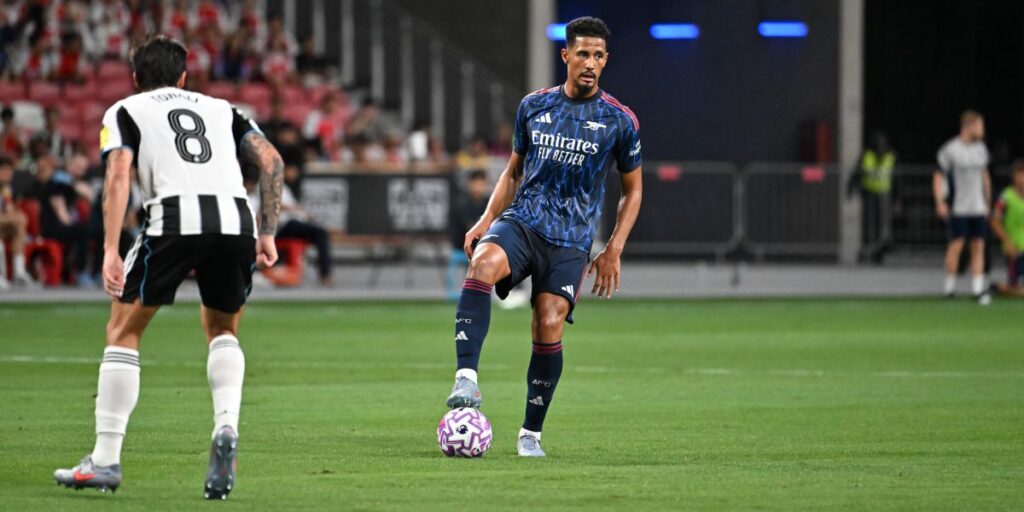
William Saliba was the calm centre of an Arsenal defence that finally ended the club’s 22-year wait for another Premier League title. He played 60 matches, collected only three yellow cards and maintained the combination of pace, positioning and composure that has established him among the world’s best central defenders. Arsenal also reached the Champions League final, giving Saliba a body of high-pressure work that extends far beyond domestic consistency. The problem is that defenders rarely receive full credit when their greatest strength is making difficult situations appear routine. Saliba scored once, provided one assist and represented a France side that finished fourth rather than lifting the World Cup. Gabriel has a comparable Arsenal case with a greater attacking contribution, while PSG’s Champions League winners and Spain’s world champions own stronger medal collections. Saliba’s level merits the nomination, but the shape of the award is likely to leave him outside the leading 20.
Read also: Manchester City CEO says everything is one big “conspiracy theory”
22. Gabriel Magalhães
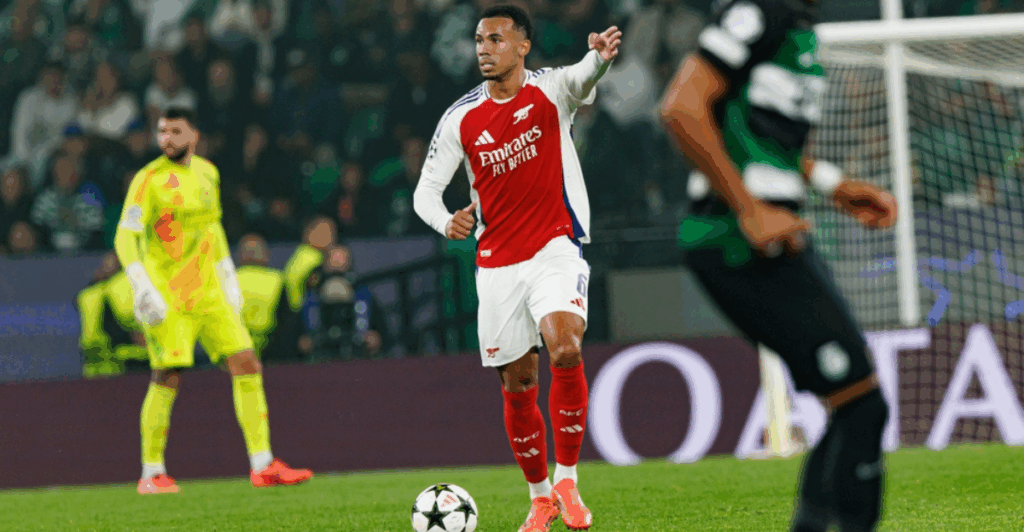
Gabriel Magalhães produced the most complete season of his Arsenal career as the club reclaimed the English title. The Brazilian defender combined his usual physical authority with a significant contribution in the opposition penalty area, finishing with four goals and six assists across 59 appearances. Those numbers are exceptional for a centre-back and strengthen his individual claim beyond Arsenal’s impressive defensive record. He was also a central figure in the run to the Champions League final, even if PSG ultimately denied Arsenal a second European prize. Gabriel ranks just above Saliba because his influence was easier to measure at both ends of the pitch, but his candidacy suffers from many of the same obstacles. Brazil did not reach the World Cup’s decisive stages, and Arsenal’s European defeat allowed PSG’s nominees to take the strongest club narrative. A first nomination is overdue recognition, although a top-10 ballot appearance from many voters remains unlikely.
21. Bruno Fernandes
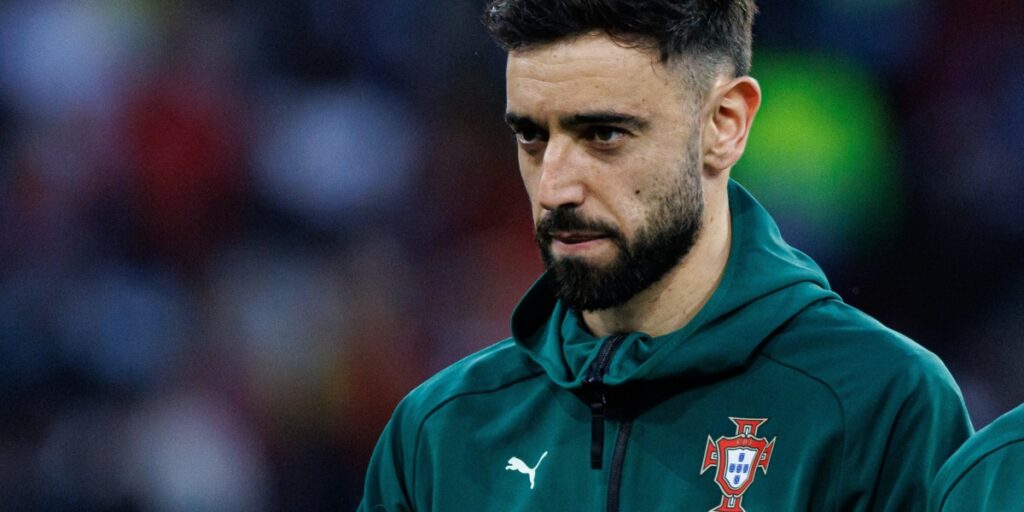
Bruno Fernandes delivered another season of extraordinary personal output in a Manchester United side that did not provide him with a trophy. The Portuguese playmaker recorded 13 goals and 25 assists in only 51 appearances, meaning he directly contributed to 38 goals from midfield. His creativity, durability and willingness to accept responsibility remain among the few constants at Old Trafford. In purely individual terms, Fernandes has a stronger statistical argument than several players ranked above him. Ballon d’Or voting, however, has always been shaped by the biggest collective stages. Manchester United ended the season without silverware, and Portugal’s World Cup did not produce the deep run needed to transform Fernandes from elite creator into genuine contender. Voters may also struggle to place him ahead of nominees who combined similar influence with league or Champions League titles. He deserves more respect than his club’s season might suggest, but the absence of a defining trophy keeps him outside the top 20.
20. João Neves
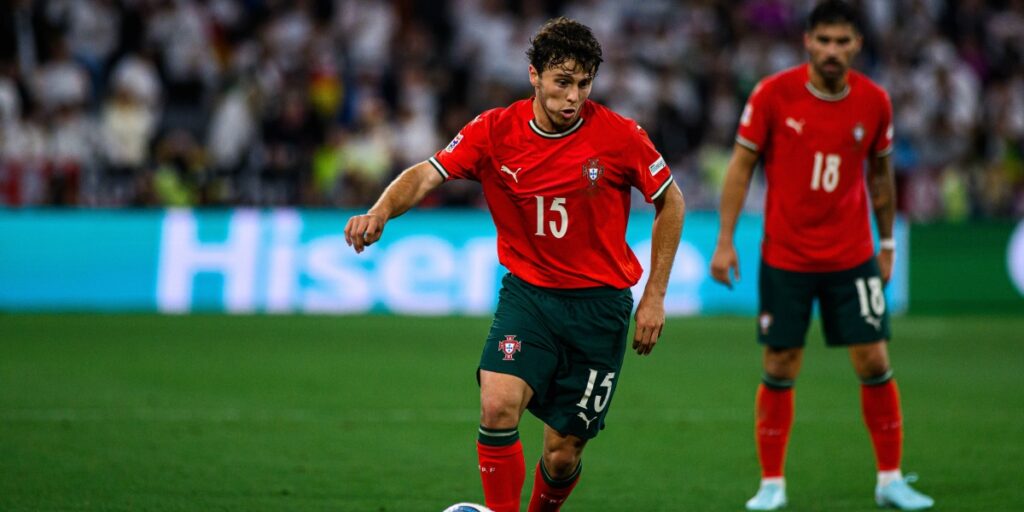
João Neves strengthened his reputation as one of Europe’s outstanding young midfielders during another dominant PSG campaign. He scored 11 goals, added four assists and played 49 times while helping the French champions retain the Champions League and Ligue 1. His intensity without the ball and intelligence in possession made him an ideal component in Luis Enrique’s fluid midfield, and his goal total represents a major improvement for a player not selected primarily to attack the penalty area. Neves nevertheless finds himself trapped inside PSG’s extraordinary concentration of nominees. Vitinha and Fabián Ruiz have stronger claims in midfield, while Dembélé and Khvicha Kvaratskhelia supplied more decisive attacking moments. He also missed the UEFA Super Cup from PSG’s five-trophy collection and did not obtain a World Cup medal with Portugal. Neves could feature on some lower sections of the ten-player ballot, but a finish around 20th feels appropriate in such a crowded field.
19. Nuno Mendes
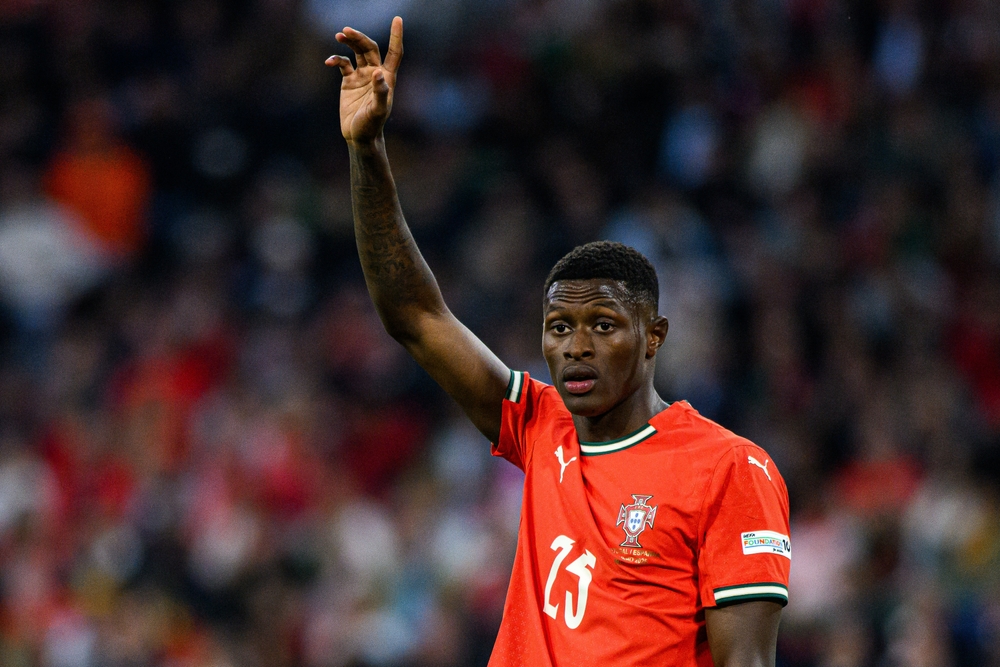
Nuno Mendes combined defensive excellence with seven goals and eight assists, numbers that place him among the most productive full-backs on the shortlist. He made 53 appearances and won the Champions League, Ligue 1, Intercontinental Cup, UEFA Super Cup and Trophée des Champions with PSG. His ability to dominate an entire flank was central to the club’s aggressive approach, and there were long stretches when he appeared almost impossible to beat in one-against-one situations. Mendes also carries recent Ballon d’Or credibility after finishing 10th in 2025. The reason he falls outside the leading group this time is the competition surrounding him. PSG have nine nominees from last season’s squad, Achraf Hakimi produced an even greater creative return from the opposite side, and Portugal could not add a World Cup medal to Mendes’ collection. Full-backs require an almost perfect narrative to challenge for this prize. Mendes had an outstanding year, but not one likely to command first-place votes.
Read also: Laporta on Man City verdict: Barcelona president breaks silence on football’s biggest scandal
18. Lautaro Martínez
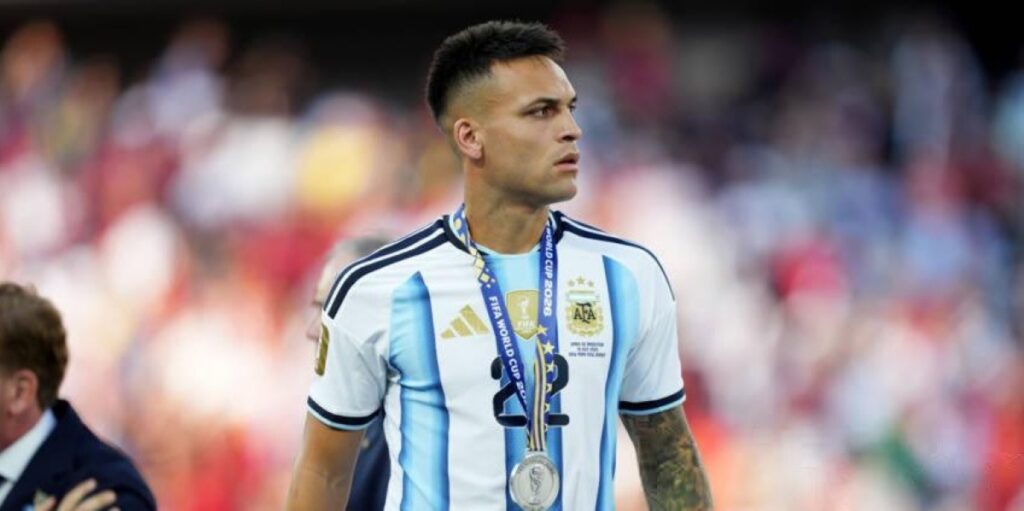
Lautaro Martínez responded to Inter Milan’s previous European disappointment with another prolific and trophy-laden domestic campaign. The captain scored 30 goals, created 10 more and led Inter to both the Serie A title and Coppa Italia. His movement, pressing and ruthless finishing again made him the reference point of the team, and 40 direct goal contributions provide a serious individual case. He also reached the World Cup final with Argentina, adding another major stage to an already impressive season. Yet the final produced a painful conclusion as Spain won 1–0 after extra time, and Lionel Messi remains the Argentine player most closely associated with the run. Inter’s absence from the latter stages of the Champions League also weakens Lautaro against the PSG and Bayern candidates. He should collect votes for his consistency across club and country, but the lack of a defining international moment prevents him from moving much higher.
17. Vinícius Júnior
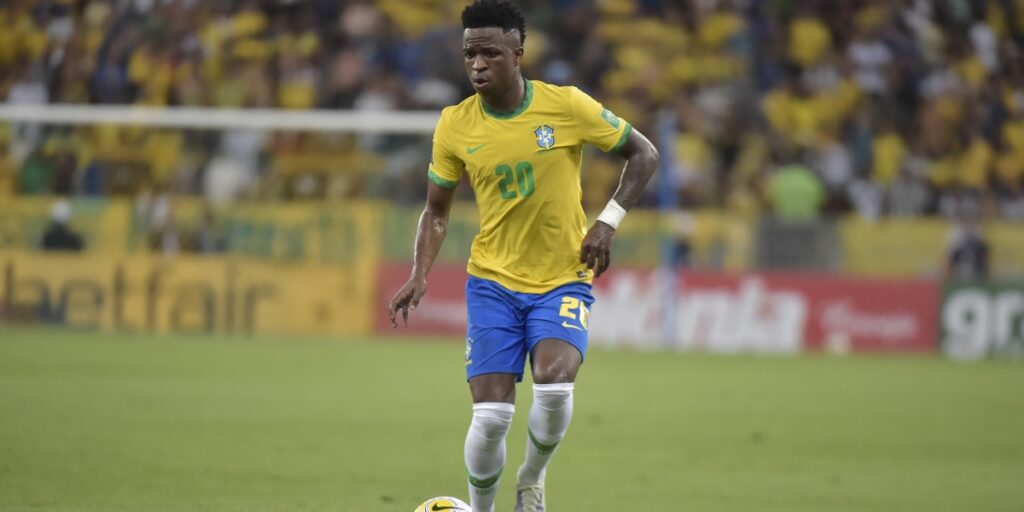
Vinícius Júnior’s statistics would represent a career year for most forwards. He finished with 28 goals and 16 assists across 66 appearances, repeatedly giving Real Madrid penetration and invention from the left. His fifth Ballon d’Or nomination confirms that he remains a permanent member of football’s elite, only two years after finishing second in the vote. The issue is not the quality of his campaign but what it failed to deliver. Real Madrid ended the relevant period without a trophy, Brazil did not make a decisive impact at the World Cup and Kylian Mbappé produced even more spectacular numbers for the same club. That combination leaves Vinícius without ownership of either the club or international narrative. His 44 goal contributions should take him comfortably above many of the defensive nominees, but voters looking for decisive performances in title-winning matches have stronger alternatives. A place in the middle of the ranking is therefore more likely than another podium challenge.
16. Vitinha
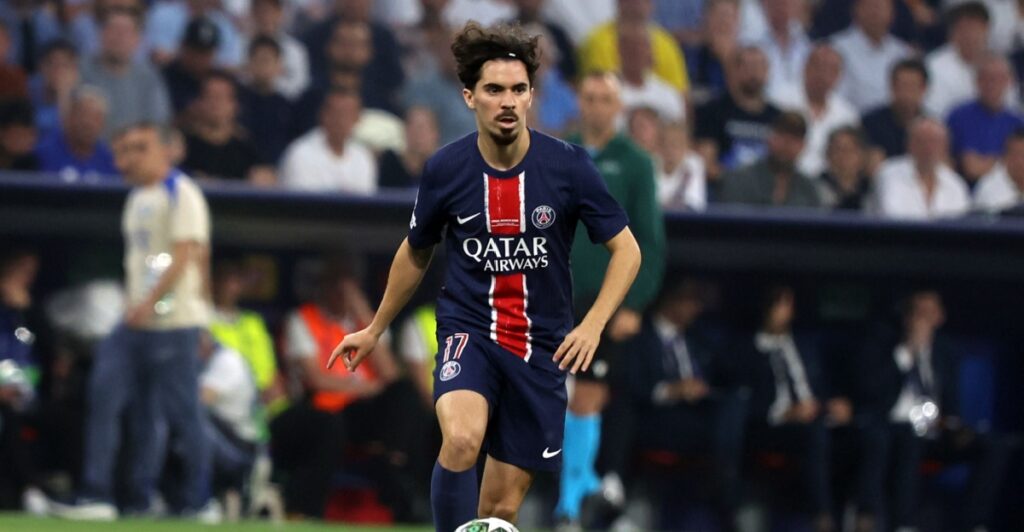
Vitinha remained the metronome of a PSG team that defended its European crown. Across 64 appearances, the Portuguese midfielder contributed seven goals and 10 assists while controlling the rhythm of matches from areas where influence is not always captured by basic statistics. He was named Player of the Match in the Champions League final against Arsenal, a distinction that gives his candidacy a powerful centrepiece. Five team trophies and a third-place Ballon d’Or finish in 2025 ensure voters already understand his importance. Even so, this season brought greater internal competition and no World Cup breakthrough for Portugal. Fabián Ruiz added the world title to PSG’s European success, while the club’s forwards built more visible individual records. Vitinha may still appear in the lower half of many top-10 ballots because of his control over decisive Champions League matches. Repeating last year’s podium, however, looks extremely difficult in a World Cup season.
15. Declan Rice
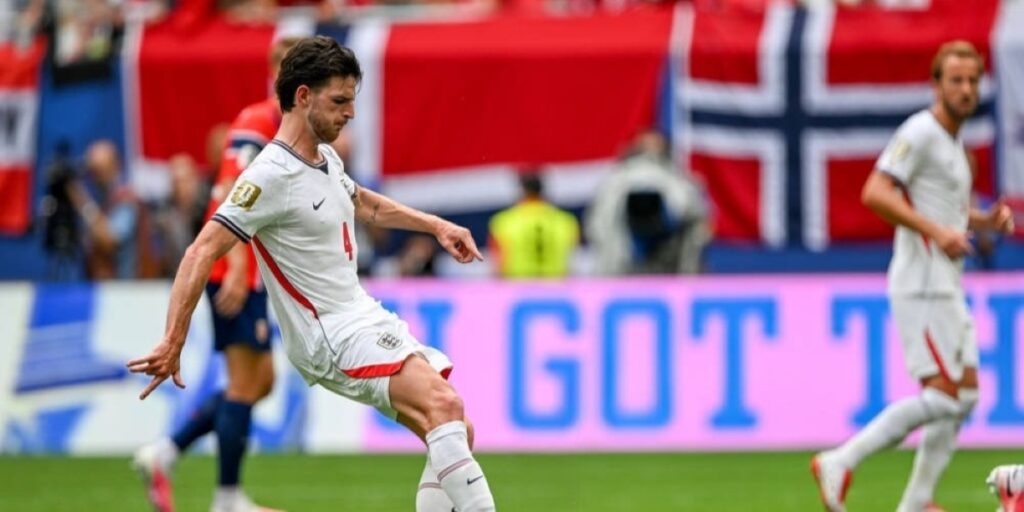
Declan Rice was at the heart of two of the season’s strongest teams. He played 69 matches, scored eight times and supplied 14 assists as Arsenal won the Premier League and reached the Champions League final. He then helped England finish third at the World Cup, bringing authority and balance to a midfield that supported one of the tournament’s most productive attacks. Rice’s evolution from holding midfielder into a genuine final-third contributor made this his most complete campaign. There is a credible argument that he was Arsenal’s most important player, particularly because his availability and tactical responsibility remained constant across an exhausting schedule. His ranking is restrained by the absence of a singular individual award and by Arsenal’s defeat to PSG in Europe. England’s bronze medal was valuable but cannot match Spain’s title. Rice should attract widespread recognition from voters, although he is more likely to appear near the bottom of ballots than at the top.
Read also: Pogacar’s home Euros go on without him, and now without Van der Poel too
14. Erling Haaland
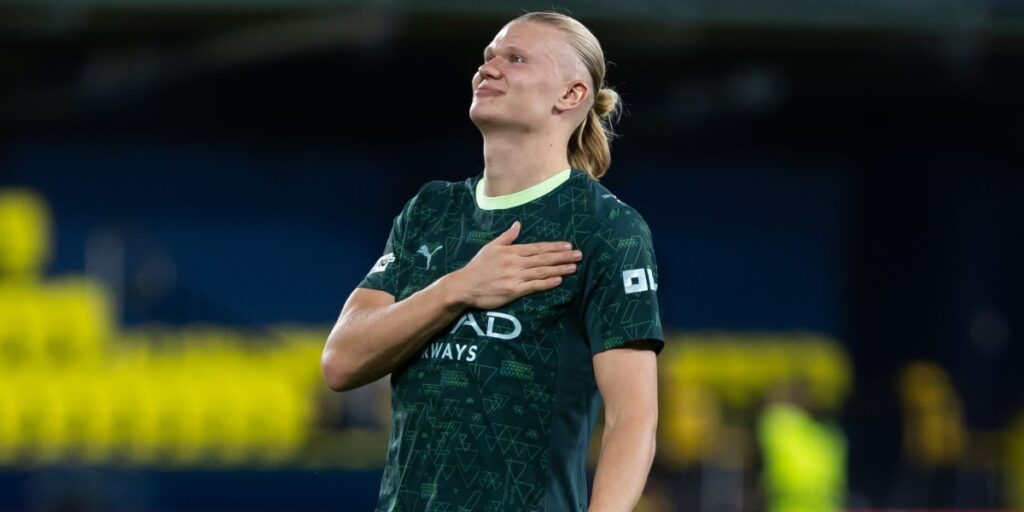
Erling Haaland produced 58 goals and 11 assists in 64 matches, a level of attacking output that would normally make a player an automatic podium contender. He also helped Manchester City win both the FA Cup and League Cup before scoring seven times as Norway reached the World Cup quarter-finals. That international run mattered because it demonstrated that Haaland’s influence was not confined to a dominant club environment. By the award’s first criterion, individual and impressive performance, very few nominees can rival him. The reason he sits only 14th is that others attached their numbers to more prestigious victories. City did not win the Premier League or Champions League, while Norway’s memorable campaign ended before the medal matches. Haaland’s brilliance has become so routine that voters may judge him against his own extraordinary standards. He belongs on most ten-player shortlists on ability alone, but the wider story of the season points elsewhere.
13. Achraf Hakimi
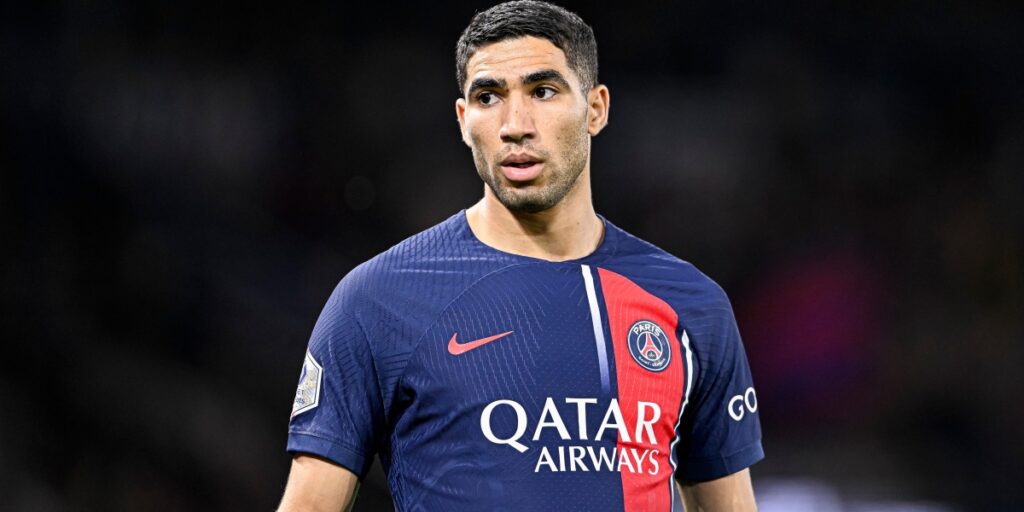
Achraf Hakimi followed his sixth-place finish in 2025 with another season that confirmed his status as one of the world’s most influential full-backs. He delivered 17 assists and four goals in 49 appearances, giving PSG a decisive attacking weapon while still carrying major defensive responsibility. The Champions League, Ligue 1 and UEFA Super Cup formed the core of an exceptional club campaign, and Morocco’s Africa Cup of Nations success could strengthen his honours list depending on the final legal ruling. Hakimi’s greatest obstacle is not his own performance but the distribution of credit. PSG’s shortlist presence is so large that voters must decide which members of the team were truly indispensable, and attacking players usually benefit from that comparison. Morocco also failed to supply a World Cup story capable of competing with Spain, Argentina, England or France. Hakimi has a persuasive top-10 argument, but another finish just outside that range feels slightly more likely.
12. Jude Bellingham
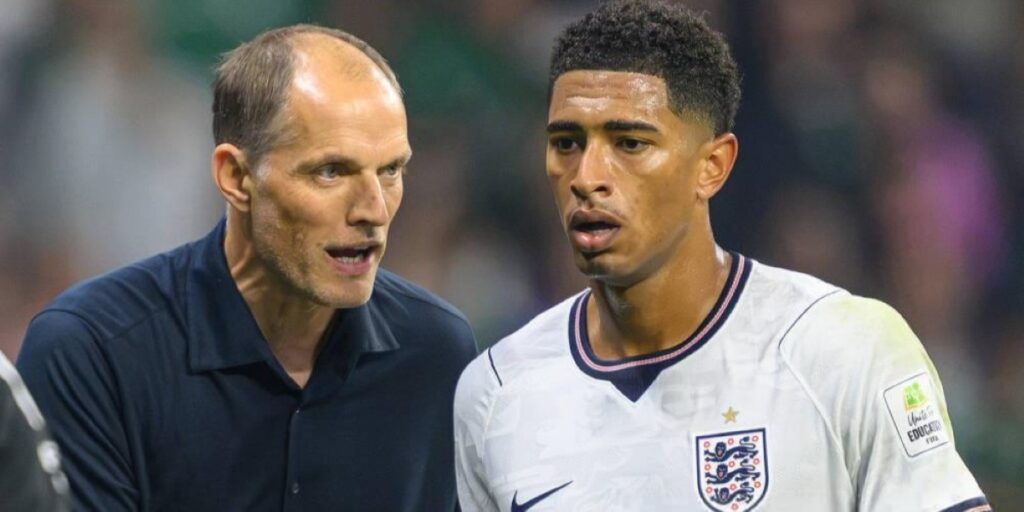
Jude Bellingham transformed a trophyless club season into a compelling Ballon d’Or campaign through his World Cup performances. He scored 15 goals and provided six assists in 52 games for Real Madrid, respectable numbers without the medals normally required for a leading position. With England, however, he became one of the tournament’s defining players. Bellingham scored seven goals and supplied three assists, earning the Bronze Boot as England recovered to finish third. That output from midfield gives him a stronger individual tournament case than almost anyone outside the top four. The lingering weakness is that neither Real Madrid nor England won the competitions that mattered most. He also shares the club spotlight with Mbappé and Vinícius, while Kane remains the leading English candidate after an even more prolific year. Bellingham should improve comfortably on many previous midfielders with similar club records, but the top 10 is just beyond him in this ranking.
11. Ferran Torres
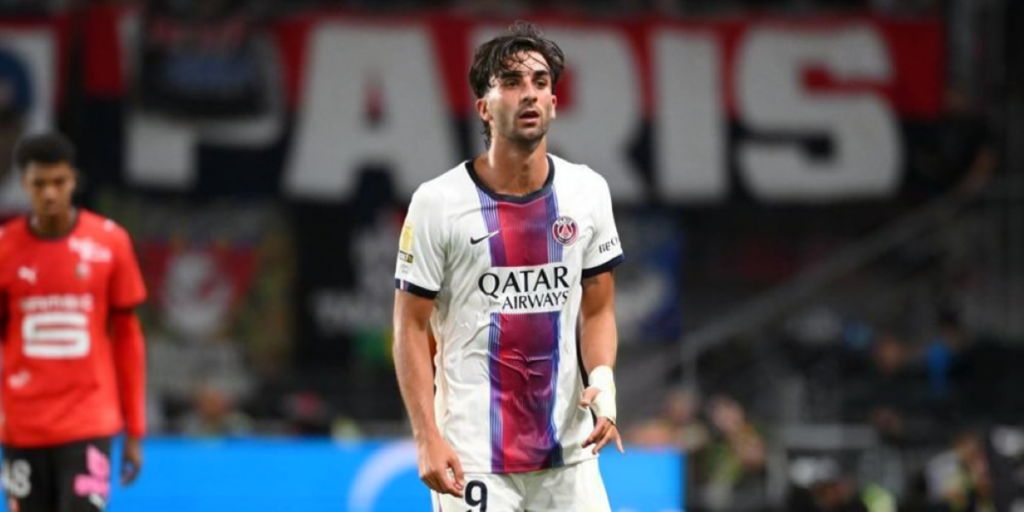
No player on the shortlist produced a more important single moment than Ferran Torres. After scoring 25 goals and creating seven more across 65 appearances, the former Barcelona forward delivered the extra-time winner that gave Spain a 1–0 victory over Argentina in the World Cup final. He had already supplied the decisive assist in the last-16 win over Portugal, making his contribution to the title direct and impossible to overlook. Ferran also won La Liga and the Spanish Super Cup before joining PSG in August. His candidacy therefore combines strong numbers, major club honours and the goal that settled the biggest match in football. He stops just outside the top 10 because he was not Barcelona’s dominant individual figure over the full season, and both Rodri and Lamine Yamal carried greater influence for Spain throughout the tournament. Still, voters who place exceptional weight on decisive moments could rank him considerably higher than the market expects.
10. Luis Díaz
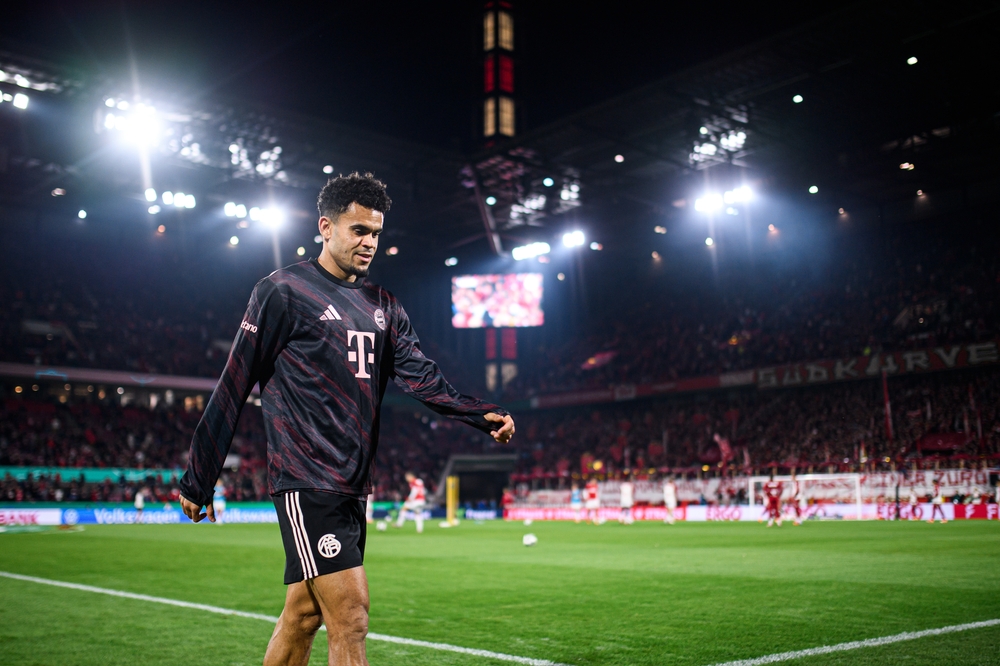
Luis Díaz assembled one of the most productive campaigns in Europe, finishing with 30 goals and 23 assists in 66 appearances. His 53 direct goal contributions helped Bayern Munich win the Bundesliga, DFB-Pokal and German Super Cup, and his intensity gave the attack a different dimension alongside Harry Kane and Michael Olise. Díaz was both creator and finisher, making it impossible for opponents to focus entirely on Bayern’s centre-forward. Those numbers deserve a top-10 place even without a major World Cup run for Colombia. The difficulty is that Kane shattered scoring records within the same team and Olise contributed even more goals and assists, leaving Díaz as the third Bayern name in many voters’ internal order. Two red cards may also count against him under the fair-play criterion. He should receive substantial recognition for an exceptional club season, but winning votes will naturally flow toward the teammate who became the face of Bayern’s success.
9. Michael Olise
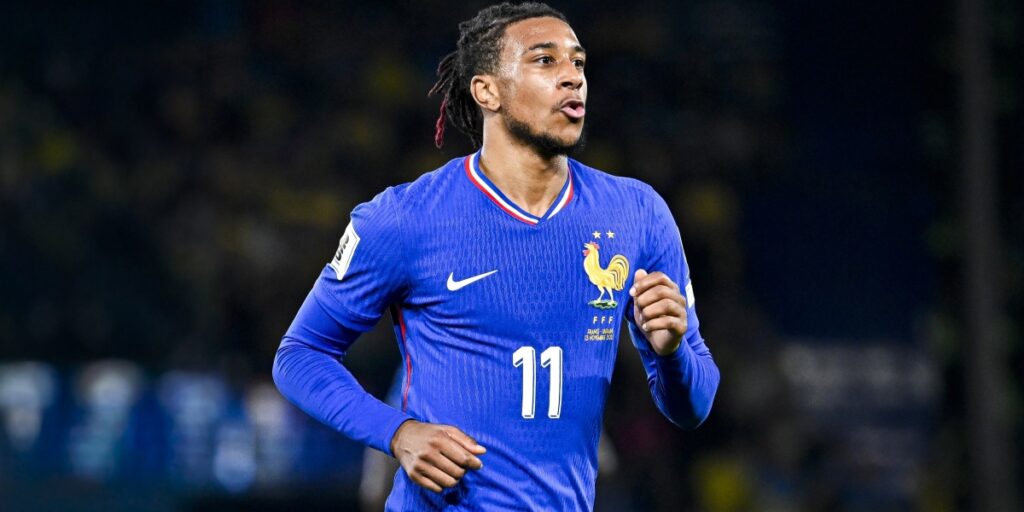
Michael Olise moved from promising star to genuine world-class attacker during a breathtaking season for Bayern Munich. He recorded 27 goals and 35 assists in 69 appearances, a total of 62 direct contributions that only the most prolific players in football could approach. His creativity was not decorative; it repeatedly opened matches for a side that won every major domestic honour available. Olise also strengthened his case with France, even though their World Cup ended with defeat to England in the third-place match. His versatility, close control and final ball made him one of the season’s most complete attacking players. The lack of a Champions League or World Cup title prevents him from entering the leading group, while Kane’s 73-goal campaign inevitably overshadows every other Bayern performance. Even so, the scale of Olise’s individual production makes a top-10 finish entirely justified and represents an enormous rise from 30th in the 2025 vote.
8. Fabián Ruiz
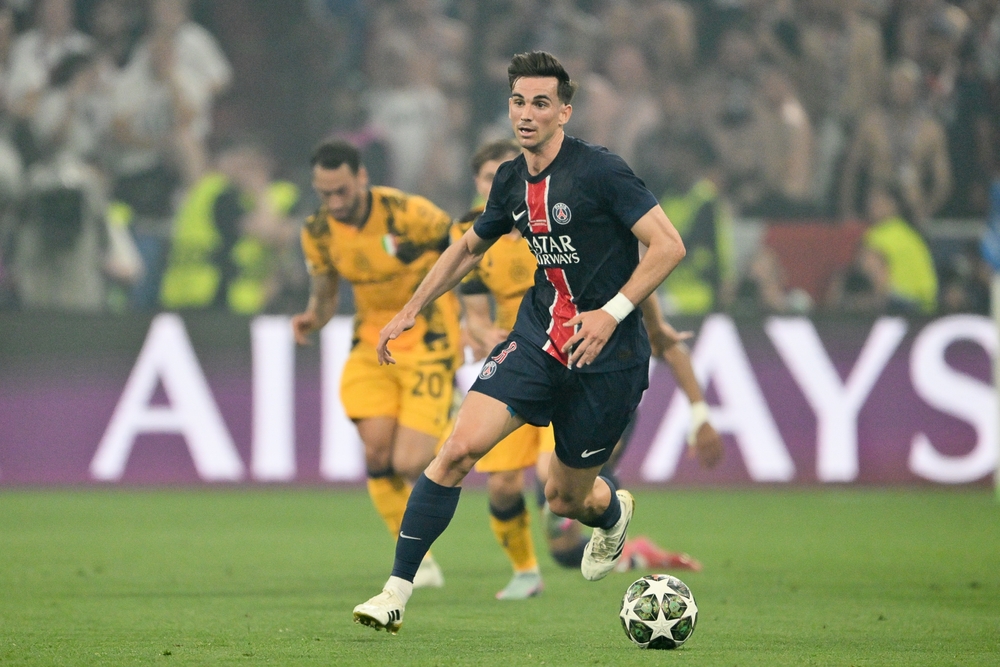
Fabián Ruiz has the most complete trophy collection of any nominee. He won the World Cup with Spain and added the Champions League, Ligue 1, Intercontinental Cup, UEFA Super Cup and Trophée des Champions with PSG. That means he succeeded at the highest possible level for both club and country during the same assessment period. His personal numbers, three goals and six assists in 45 appearances, do not tell the full story of a midfielder whose positioning and control allowed more attacking teammates to flourish. He also produced a strong World Cup and repeatedly gave Spain the composure required to manage difficult knockout matches. Ruiz ranks below the leading contenders because Ballon d’Or rules place individual brilliance before collective honours, and his season lacked the spectacular statistical signature of Kane, Messi or Mbappé. Nevertheless, voters who value winning above everything else may place him very high. Few players can present six major trophies and a starting role in both champion teams.
7. Ousmane Dembélé
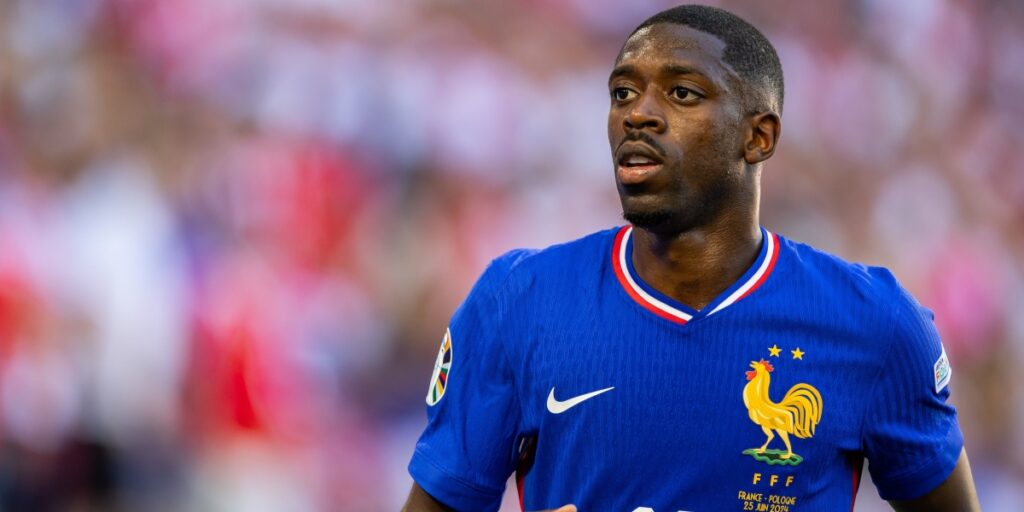
Ousmane Dembélé has a legitimate opportunity to become the first man since Lionel Messi to retain the Ballon d’Or. The 2025 winner followed his breakthrough triumph with 26 goals and 14 assists in 51 appearances as PSG again won the Champions League and Ligue 1. He also collected the Intercontinental Cup, UEFA Super Cup and Trophée des Champions, ensuring there was no dramatic decline after the finest season of his career. His attacking unpredictability remained central to PSG’s ability to overwhelm opponents from multiple areas. The reason he falls to seventh is the changed international context. France finished fourth at the World Cup, while Spain’s champions, Argentina’s finalists and England’s leading scorer all created stronger summer narratives. Dembélé also shares PSG’s success with eight other nominees, including Kvaratskhelia, who emerged as the club’s leading candidate. Retaining the prize is possible, but his 2026 case is less singular than the one that made him the clear winner last year.
6. Lionel Messi
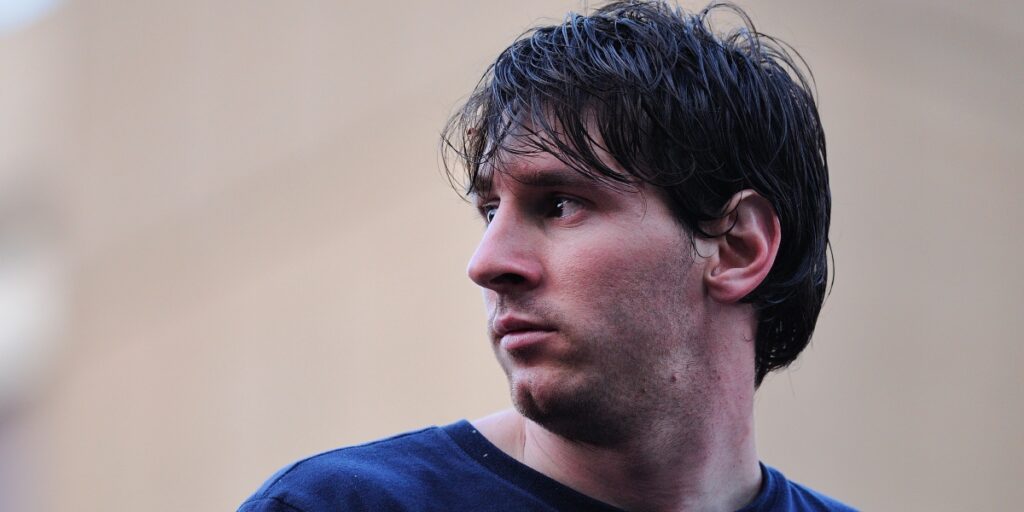
At 39, Lionel Messi has returned to the shortlist with numbers that would be extraordinary at any age. He amassed 45 goals and 30 assists in 49 appearances, won the MLS championship with Inter Miami and then guided Argentina to another World Cup final. Messi scored eight goals and created four more at the tournament, finishing second in the Golden Boot race before Spain ended Argentina’s defence of the title in extra time. The combination of club silverware, 75 direct goal contributions and elite international performance gives him a genuine case for a ninth Ballon d’Or. What keeps him outside the top five is the level of his weekly competition and the absence of the World Cup trophy that powered his 2023 victory. Voters must decide how to compare MLS production with the Champions League and Europe’s strongest leagues. Messi remains capable of collecting first-place votes, but the field above him owns either greater European success or the ultimate international medal.
5. Khvicha Kvaratskhelia
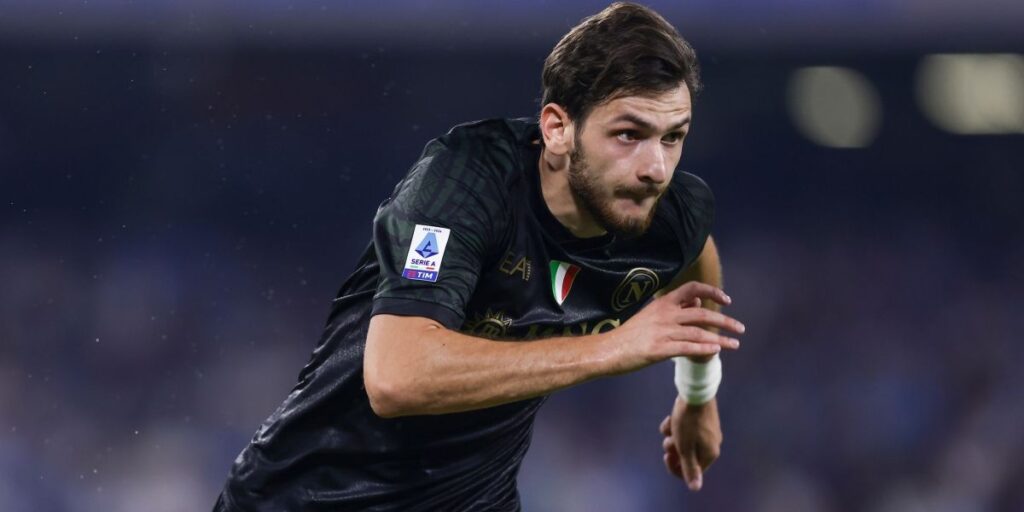
Khvicha Kvaratskhelia is the only nominee who did not play at the World Cup, yet he still enters the vote as one of its leading contenders. That fact illustrates the quality of his club season. The Georgian attacker scored 24 goals, supplied 10 assists and drove PSG to a second successive Champions League title, as well as Ligue 1 and three further trophies. His most influential performances arrived during the decisive phase of the European campaign, giving him the kind of high-stakes body of work that voters remember. Kvaratskhelia was not merely one successful player among many; he became the attacking symbol of the continent’s best club team. Missing the World Cup is still a major handicap in a season shaped by the tournament, particularly when the four players above him all created exceptional international or record-breaking narratives. Even so, Kvaratskhelia is the strongest PSG candidate and the likeliest challenger if voters prioritise Champions League supremacy over events in North America.
4. Kylian Mbappé
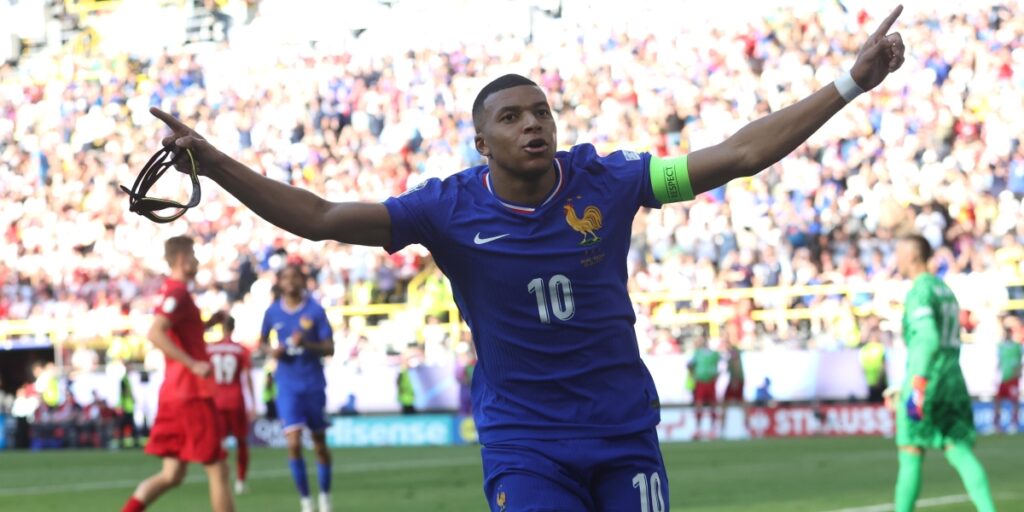
Kylian Mbappé may have produced the strongest individual season of anyone who did not win a major team trophy. He scored 58 goals and added 13 assists in 60 appearances for Real Madrid and France, then won the World Cup Golden Boot with 10 goals. His 14 direct goal contributions at the tournament set a modern record, and he became the competition’s all-time leading scorer with 22 goals in only 22 matches. Those achievements satisfy the Ballon d’Or’s primary demand for decisive and impressive individual performance. The obstacle is brutally simple: Real Madrid finished without silverware and France ended the World Cup in fourth place after losing a remarkable bronze-medal match to England. Every player above Mbappé combines elite individual work with at least one defining trophy. Some voters will still place him first because his numbers and World Cup history are impossible to ignore. The lack of collective reward, however, makes fourth the most balanced position.
3. Rodri
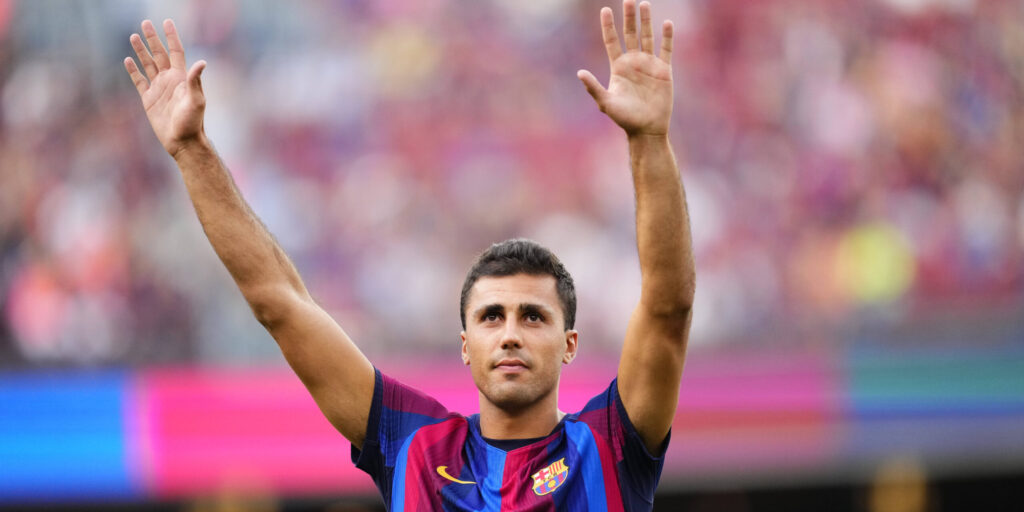
Rodri returned from a difficult period to remind the football world why he won the Ballon d’Or in 2024. His club numbers were modest, with two goals and no assists in 46 appearances, but he helped Manchester City win both domestic cups before taking control of the World Cup. As Spain’s midfield leader, Rodri guided his country to the title and received the Golden Ball as the tournament’s best player. In a World Cup year, that combination has historically carried enormous influence with Ballon d’Or voters. His authority, positioning and ability to dictate the pace of the biggest matches provided the foundation for Spain’s victory. The argument against him rests on the full season: he did not win the Premier League or Champions League, and his individual club campaign cannot match the relentless production of Kane, Mbappé or Yamal. Yet being recognised as the best player at the world’s biggest tournament makes Rodri a credible winner, not merely a podium candidate.
2. Lamine Yamal
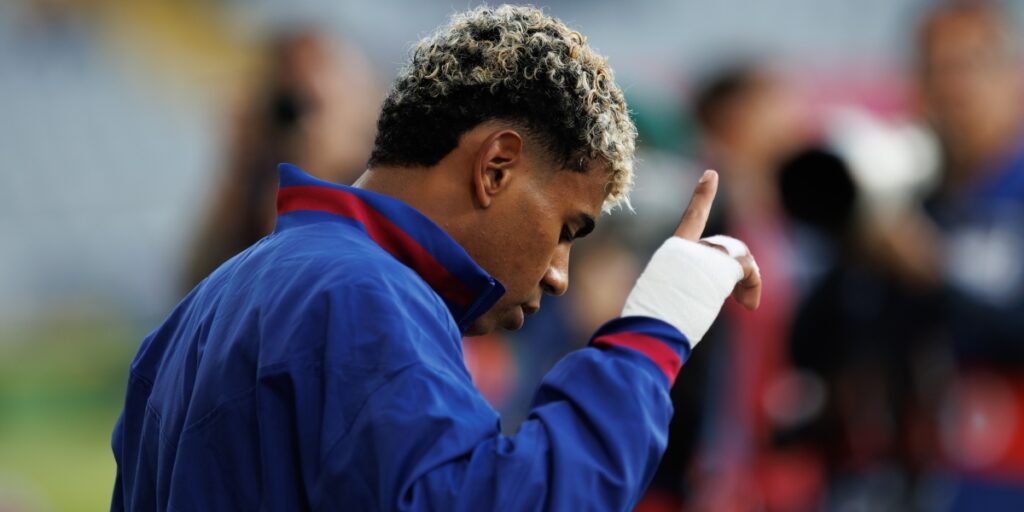
Lamine Yamal completed a season that would almost certainly win the Ballon d’Or in many other years. At 19, he recorded 25 goals and 20 assists in 57 appearances, won La Liga and the Spanish Super Cup with Barcelona and then became one of the central figures in Spain’s World Cup triumph. His 225 completed dribbles led every player across Europe’s top five leagues, demonstrating that his impact extended far beyond goals and assists. He also became the third-youngest player ever to appear in a World Cup final. Yamal offers voters individual brilliance, major trophies and a historic age-related narrative, while his second-place finish in 2025 shows that his reputation is already established. The only reason he does not lead this ranking is the unprecedented numerical force of Kane’s season. If voters treat the World Cup as the decisive factor, Yamal could easily win. On the entire body of work, however, he finishes by the narrowest possible margin in second.
1. Harry Kane
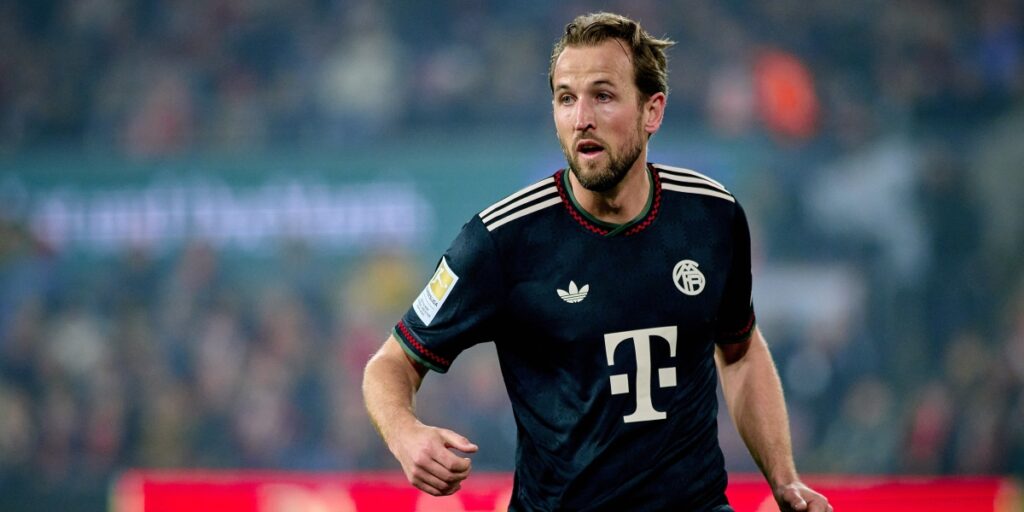
Harry Kane enters the vote with the strongest combination of historic individual output and major silverware. The Bayern Munich striker scored 73 goals in 65 appearances across club and country, including 61 for Bayern and six as England finished third at the World Cup. He also supplied eight assists and helped his club win the Bundesliga, DFB-Pokal and German Super Cup, finally replacing the old discussion about his lack of trophies with a season of almost complete dominance. Kane’s scoring was not inflated by one short streak; it defined Bayern’s campaign from beginning to end and continued on the international stage. England did not win the World Cup, but a bronze medal and six tournament goals were enough to protect rather than damage his position. The latest post-shortlist market assessment gives Kane a commanding lead, and the footballing case supports it. Yamal, Rodri and Mbappé all have compelling arguments, but none can match 73 goals plus three trophies. Kane is the deserving favourite to win his first Ballon d’Or.