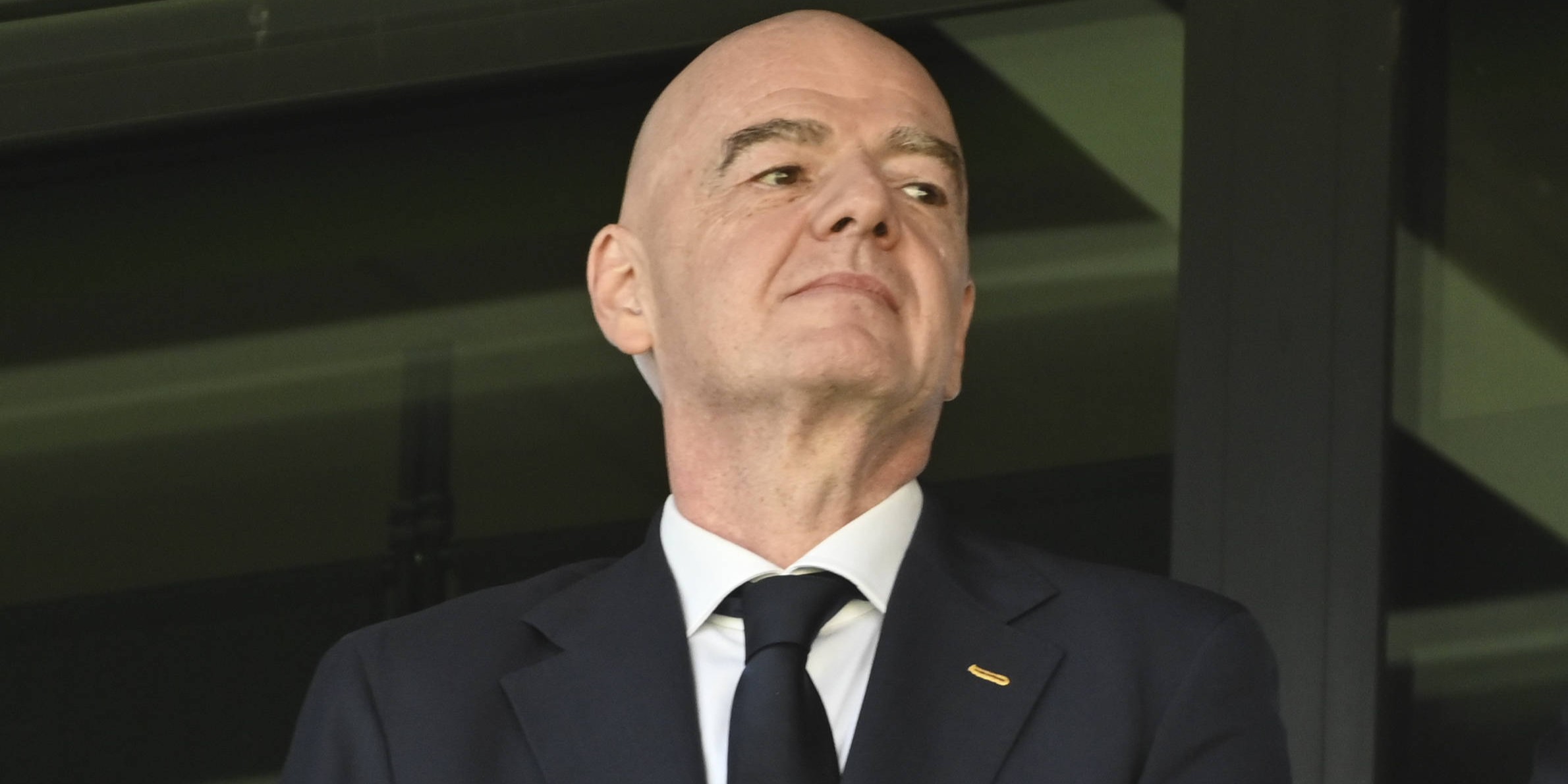
Article 33(2) of the FIFA Statutes runs to a single sentence: “No person may serve as President for more than three terms of office (whether consecutive or not).” Under a plain reading, Infantino’s unopposed win in March 2023 was already his third term.
That reading would make the fourth-term bid FIFA confirmed on 6 September, with the line “Nothing has changed. Mr Infantino will be standing for re-election,” impossible.
The workaround FIFA is leaning on was set on 16 December 2022, two days before the Qatar World Cup final. The FIFA Council announced that the period between 2016 and 2019, when Infantino completed an interrupted mandate after Sepp Blatter’s resignation, does not count as a term of office. FairSquare has now written formally to FIFA’s Governance, Audit and Compliance Committee (GACC) asking for that ruling to be revisited and for Infantino to be declared ineligible to run again.
The rule the letter leans on
FairSquare argues the statute leaves no room for the carve-out. Its submission to the committee tells FIFA there is “no provision for a presidential term to be discounted because it did not last for the maximum period of four years”, and that only the FIFA Congress, not the Council, can amend the term-limit rule.
Read also: Opta's shock 2026-27 forecast pushes Villa to 13th and Tottenham to the brink
Miguel Maduro, the former head of FIFA’s Governance Committee, drafted the letter with FairSquare.
“The principle of term limits was a fundamental aspect of the 2016 reform aimed at limiting power and the rule introduced is clear,” Maduro said.
“Trying to carve out an exception to such a rule for Mr Infantino reveals both a resistance to the principle of term limits and how some at FIFA conceive of rules not as rules but as obstacles to be circumvented.”
FairSquare director Nicholas McGeehan put the argument in blunter terms.
Read also: Haaland breaks derby record as Manchester City maintain perfect Premier League start
“The rules state clearly that three presidential terms is the maximum allowed; FIFA can’t simply circumvent this rule, which serves as a check on presidential power, by saying that his first term doesn’t count,” McGeehan said.
What the committee could actually do
The GACC is the body FairSquare has asked to act, and the timing is tight. Nominations for the presidency close on 18 November 2026. If the committee accepts FairSquare’s reading of the statutes, it can decline to certify Infantino’s candidacy and remove the incumbent from the ballot before the deadline. That would leave the field to the names already floated as possible challengers: CONCACAF president Victor Montagliani, European Club Association chairman Nasser al-Khelaifi, AFC president Sheikh Salman bin Ebrahim Al Khalifa and CAF president Patrice Motsepe.
If the committee sides with the 2022 Council interpretation, Infantino stays on the ballot and the vote goes ahead as scheduled. All 211 FIFA member associations vote at the Congress, with 106 needed to win. Confederations can lobby, but they do not control how their members cast their ballots.
The pressure around the letter
The FairSquare submission lands in a presidency already under sustained governance pressure. UEFA, CONCACAF and the AFC have called for a formal conduct review of Infantino, and Scotland’s football association has said it will not support him. UEFA has also asked a US court to release FIFA documents for possible criminal proceedings in Switzerland tied to Infantino’s abandoned plan to hand World Cup commercial rights to private investors led by Joshua Kushner. FIFA has hit back at UEFA’s legal action, describing it as a “smear campaign” against FIFA and its leadership. African and South American associations have continued to back him.
Read also: Aubameyang matches an Ibrahimović record as Deportivo captain calls him world-class
The FIFA Congress convenes in Rabat on 18 March 2027; the candidacy deadline falls four months earlier, on 18 November 2026.
Read also: Haaland's derby winner should not have stood, referee body admits to Manchester United