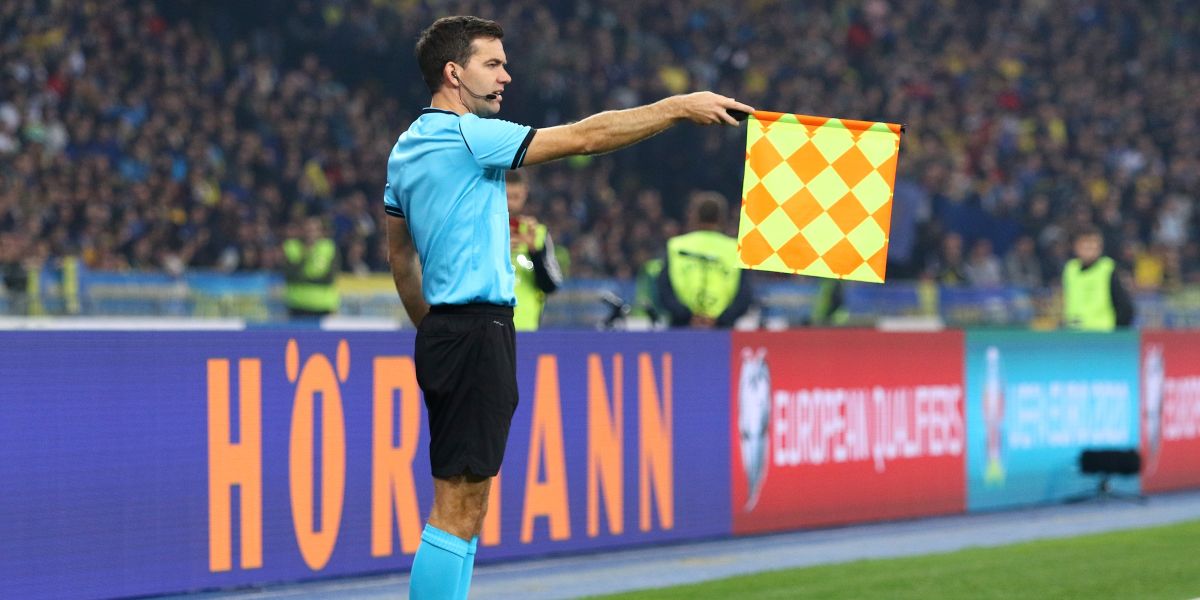
In a corner of Azerbaijan last week, something closer to a laboratory than a football tournament wrapped up. From 24 to 30 October 2026, 189 member associations played out 950 matches across six matchdays at the Hovsan Competition Complex and Baku Crystal Hall, according to FIFA’s own explainer of the format.
Nothing about it looked like a World Cup final. Eight players a side, two 20-minute halves, a 68 by 47 metre pitch, full-size goals, two referees per match, and a squad of 14-year-olds born in 2011 or 2012. That compressed format is the point: it is the frame FIFA chose to try things it would not dare try at a senior tournament.
Kick-ins replace throw-ins
The clearest break with 160 years of football is that nobody picks up the ball when it goes out. The player places it down and kicks it back in. FIFA’s explainer lists kick-ins alongside the small-sided format and unlimited substitutions as the core design choices meant to speed the game up.
The reasoning is simple. A throw-in is a slow restart that rewards whichever team wants to kill the clock. A kick-in is faster, more attacking, and keeps the ball on the ground. Mali’s coach Rafan Sidibe told reporters in Baku that teams “have been able to play a faster game, with fewer stoppages”, in comments reported by OneFootball.
The resistance is just as obvious. Long throws into the box are a tactic that smaller clubs rely on. Replacing them with kick-ins deletes a whole category of set-piece and tilts the game toward technical sides.
A 14-metre offside zone, not the whole pitch
Rule two rewrites a line every football fan has grown up with. Offside is only called inside a zone marked 14 metres from each goal line. Everywhere else on the pitch, attackers can push as high as they want with no flag.
For a youth tournament bringing together 189 nations with very different levels of coaching, the aim is to stop defensive teams from parking a line on halfway and shutting the game down. In practice it is Arsene Wenger’s long-running campaign against a rule he thinks has drifted too far toward defenders. The former Arsenal manager, now FIFA’s Chief of Global Football Development, said that at this age “the most important thing is to play”, according to Goal.
A senior league would hesitate here. The 14-metre zone would turn large stretches of the pitch into a free-for-all and force defenses into a shape nobody has coached before.
Read also: HYROX put 2,300 athletes on a cruise ship
Unlimited substitutions and the 8v8 blueprint
The third change is less headline-grabbing but potentially the most disruptive. Coaches in Baku could substitute players as often as they liked, with no cap and no end to re-entry. Combined with the 8v8 format and the two-referee setup, it rewrites the physical and tactical model of a match.
Wenger defended the smaller format as a tool for competitive balance, telling Goal: “We wanted it to be a reduced number, not 11 against 11, because the difference between the countries would be too big.” The underlying argument for unlimited subs is development: more minutes for more players, no tactical sacrifice to protect substitutions for extra time.
Senior adoption of unlimited substitutions is where the resistance will be loudest. Clubs and broadcasters have fought hard over every extra sub added to the Laws of the Game, and lifting the cap entirely would reshape squad planning and transfer economics overnight.
The Wenger offside rule has already stumbled
FIFA’s rulebook ambitions do not stop at Baku. The separate “daylight” offside rule, under which an attacker is onside as long as any body part that can legally score is level with the second-to-last defender, was trialed in the 2026 Canadian Premier League season. Early measurements showed offside calls down by 54%, with an estimated 13 extra goals across 112 matches.
Read also: Lionel Messi closes in on historic milestone Cristiano Ronaldo may never reach
Even so, IFAB’s technical experts have cooled on the proposal after the Canadian pilot. Baku’s three experiments now feed into the same assessment pipeline, where IFAB has the final word on whether any of them climb the ladder to professional football. The next IFAB meeting is where the Baku data will land.
Read also: Mercedes lost two sponsors over decision that changed F1 history