A decision that caught officials off guard
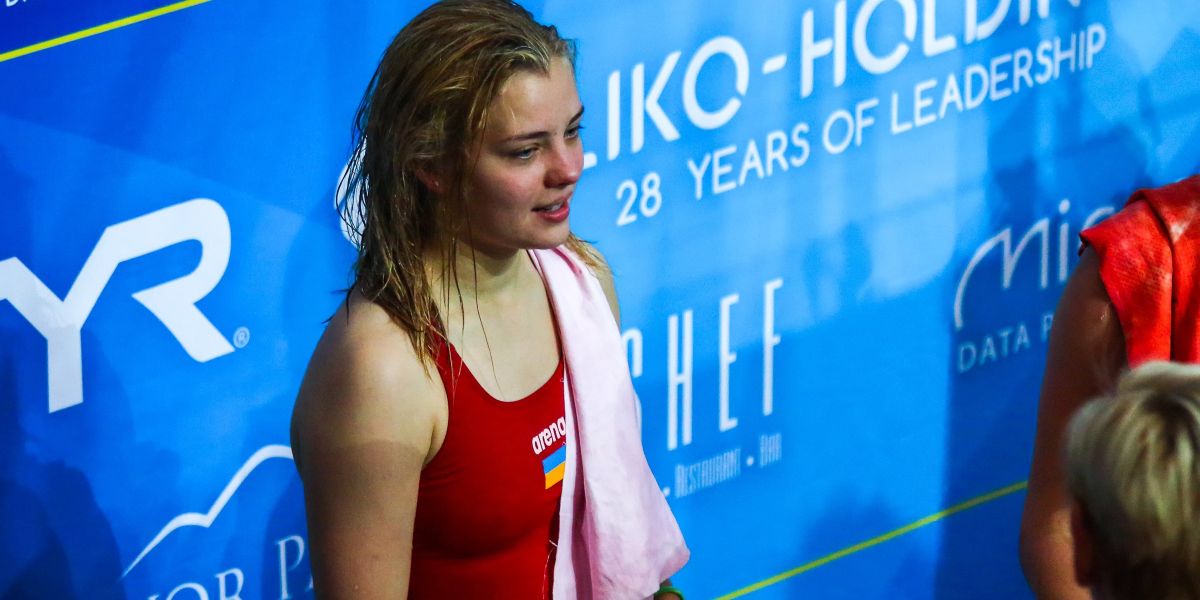
Ukrainian diver Sofiia Lyskun, a 23-year-old Olympian who previously competed for Ukraine at the Tokyo 2020 Games and again in Paris last year, has set off a political and sporting controversy after stating in an interview with the Russian newspaper Izvestia that she now intends to switch nationality and perform under the Russian flag. Her comments circulated widely in Russian media this week, according to Ziare.com.
The Ukrainian Diving Federation told Reuters that neither the coaching staff nor the country’s Sports Ministry had been informed beforehand, adding that the news reached them the same way it reached the public, through media reports.
In a statement cited by Reuters, the federation condemned her decision, saying “Astfel de acţiuni sunt categoric inacceptabile”, adding that such actions harm not only Lyskun’s reputation but also “întreaga echipă a Ucrainei, care luptă în fiecare zi cu altruism pentru dreptul de a reprezenta ţara noastră pe scena internaţională”.
Officials also said they would contact international governing bodies and request that the diver be placed under sporting quarantine “în conformitate cu standardele internaţionale actuale”.
Read also: Real Madrid’s rising tension: Vinicius Jr. vs. Xabi Alonso
Why the move matters beyond sport
Lyskun’s case unfolds against the backdrop of Russia’s ongoing invasion of Ukraine, now in its third year. Since early 2022, most Russian and Belarusian athletes have been sidelined from global competitions, including events overseen by World Aquatics, according to Reuters. Only a small number were later allowed to compete as neutral athletes at the Paris Olympics under strict conditions that barred any association with state symbols.
For many Ukrainians, athletes switching allegiance to Russia carries a symbolic weight that goes far beyond sport. Ukrainian cultural figures, performers, and athletes who relocate to Russia or cooperate with Russian institutions often face strong criticism at home, where the war has reshaped expectations around loyalty and representation.
Sports federations in Ukraine have taken particularly firm stances, emphasising that athletes act as ambassadors on the international stage. Lyskun’s move is therefore seen not only as a personal decision but also as a gesture that might be interpreted politically.
The diver’s explanation
Lyskun told Izvestia that she felt she was no longer developing under Ukrainian coaching systems, describing many trainers as “toţi gimnaşti sau sportivi de trambulină”, according to Ziare.com. She suggested that changing national affiliation was the best way to continue progressing in her career.
Read also: LeBron James lets record go for the win
Such reasoning is not uncommon in international sports, where nationality changes sometimes happen for competitive or financial reasons. However, in the context of the Russia–Ukraine war, her explanation has been met with intensified scrutiny and public criticism.
Background on her sporting career
Before the controversy, Lyskun was regarded as one of Ukraine’s promising divers. She won gold in the 10-metre synchronized platform event alongside Kseniia Bailo at the 2023 European Aquatics Championships in Belgrade, according to Reuters. She also earned a team gold at the 2018 European Championships in Glasgow, achievements that once placed her among the country’s most visible young athletes.
Her switch now raises practical questions about her future eligibility. International sports bodies typically require athletes who change nationality to complete a waiting period, and additional restrictions may apply due to the ongoing sanctions against Russia’s sports programs.
A broader reflection of wartime identity
Lyskun’s decision sits at the intersection of personal ambition, national identity, and the realities of wartime politics. As Ukraine continues to navigate the cultural and symbolic dimensions of its conflict with Russia, cases like this highlight the emotional and political weight carried by athletes who represent a country under invasion.
Read also: Can anyone stop Luke Littler? World Championship opens with a rising star under pressure
How international sports authorities respond, and whether the diver is eventually cleared to compete for Russia, may signal how other cases are handled as geopolitical tensions continue to spill into global athletics.
Read also: Bellingham’s brilliance abroad meets a backlash at home