A decision that raised wider questions
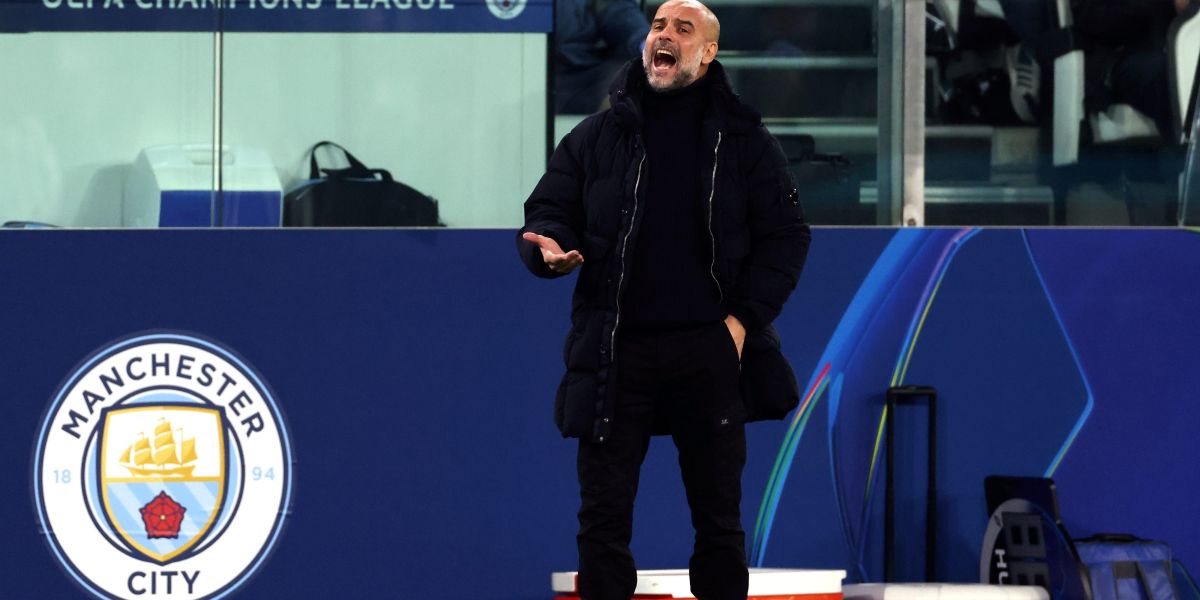
Video technology once again became the focus of attention during Manchester City’s domestic cup clash with Newcastle United, after a lengthy review led to a goal being ruled out for offside.
Although the call did not alter the final result, the process behind it prompted renewed discussion about whether VAR is being used as intended, particularly in marginal and subjective situations.
According to GiveMeSport, the incident drew criticism from rules analyst Dale Johnson, despite his agreement with the final ruling.
How the incident unfolded
City appeared to extend their advantage when Antoine Semenyo volleyed the ball into the net during the first leg of the Carabao Cup semi final.
Read also: Roy Keane goes nuclear on Man City after 114 guilty findings
Play was halted when VAR officials asked referee Chris Kavanagh to delay the restart while a potential offside was examined. The check lasted several minutes before Kavanagh was sent to the pitchside monitor.
After reviewing the footage, the referee concluded that Erling Haaland was positioned in a way that interfered with Newcastle goalkeeper Nick Pope and defender Malick Thiaw, leading to the goal being disallowed.
Correct decision, flawed process
Manchester City eventually secured a 2,0 victory thanks to a stoppage time goal from Rayan Cherki, putting them in a strong position ahead of the return leg on 4 February.
However, confusion spread inside the stadium and among viewers watching on television, largely due to the time taken to reach a verdict.
Read also: Here is Foden’s Man City exit route
According to BBC Sport rules analyst Dale Johnson, accuracy alone does not justify such extended stoppages.
Why the delay frustrated officials experts
Writing on social media, Johnson said, “That was the correct offside decision but 5 minutes and 30 seconds was ridiculous.”
He added, “The problem is that if this was a goal no one would really spot the offside. It’s a technical, unseen offside that disallows a goal which is almost exclusively given through VAR. A decision being right doesn’t necessarily mean it’s what the game wants.”
Johnson’s comments focused less on the outcome and more on how such marginal decisions disrupt the flow of matches.
Read also: Rodri breaks silence on Man City verdict with remarkable 2020 comparison
When VAR is meant to intervene
In remarks previously made in November 2025, Johnson explained that VAR officials are advised not to step in on subjective offside calls unless there is a clear and obvious error.
Given the length of the review, he suggested that this threshold was difficult to justify in the City incident.
After completing the check, Kavanagh addressed supporters in the stadium, saying, “After review, Manchester City number nine is in an offside position that impacts the ability of the defender so the decision is offside.”
A familiar VAR dilemma
While City progressed comfortably, the episode added to ongoing concerns about how technology is shaping key moments in football.
Read also: The wheelchair champion beat the sub-two-hour man, and London Marathon has its 2027 schedule
The debate now centres not only on whether decisions are correct, but on whether the method of reaching them aligns with the pace, clarity and intent of the sport.
Sources, BBC Sport, GiveMeSport
Read also: Kimi Antonelli issues warning to George Russell with Mercedes vow