Politics moves the debate off the pitch
The road to the 2026 World Cup is becoming increasingly complicated as political concerns begin to overshadow sporting preparations. While the tournament remains more than two years away, questions are emerging about whether all traditional powerhouses will ultimately take part.
Germany has entered a public discussion about the possibility of withdrawing from the World Cup, which will be co hosted by the United States, Mexico, and Canada. The issue is not linked to footballing matters but to broader political tensions involving the US government.
According to Fox News, German Football Association vice president Oke Göttlich has said that a boycott should at least be considered. His remarks elevated the topic from speculation into a serious national conversation within German football circles.
Fans divided over a possible boycott
The debate has resonated beyond officials and into the stands. A recent poll cited by German media suggests that 47 percent of fans would prefer the national team to stay home rather than travel to the tournament under the current circumstances.
Read also: ‘If you lie to me, I will leave’: Guardiola’s City warning takes on new weight
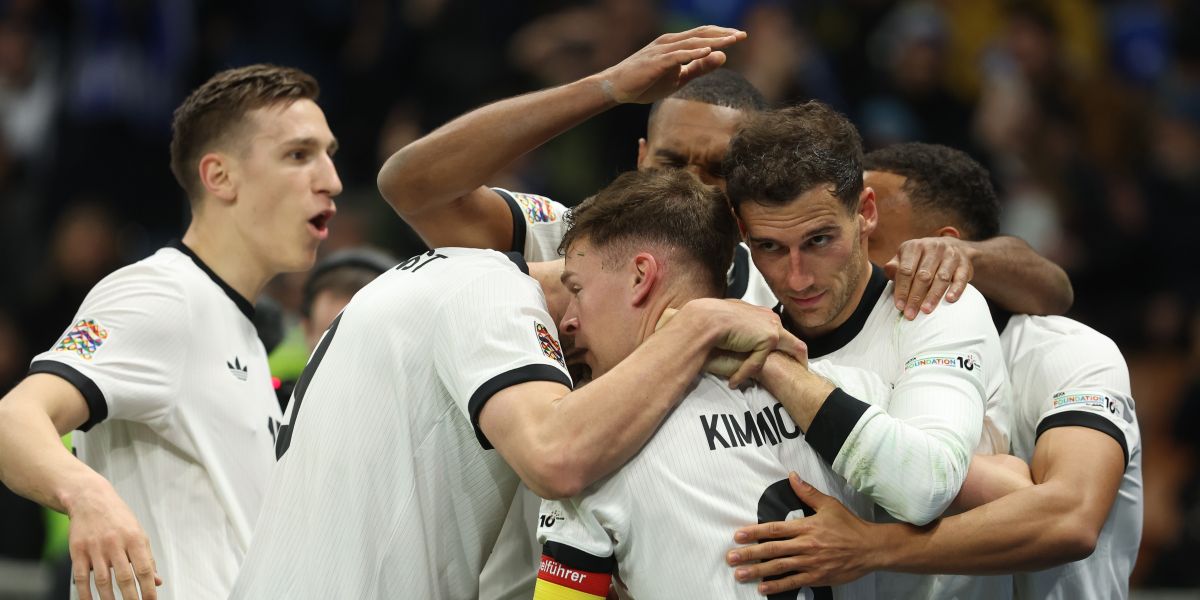
For supporters, the idea of missing a World Cup is deeply unsettling. Germany is one of the most successful nations in the competition’s history, having won the trophy four times. The absence of the team would represent an unprecedented break from tradition.
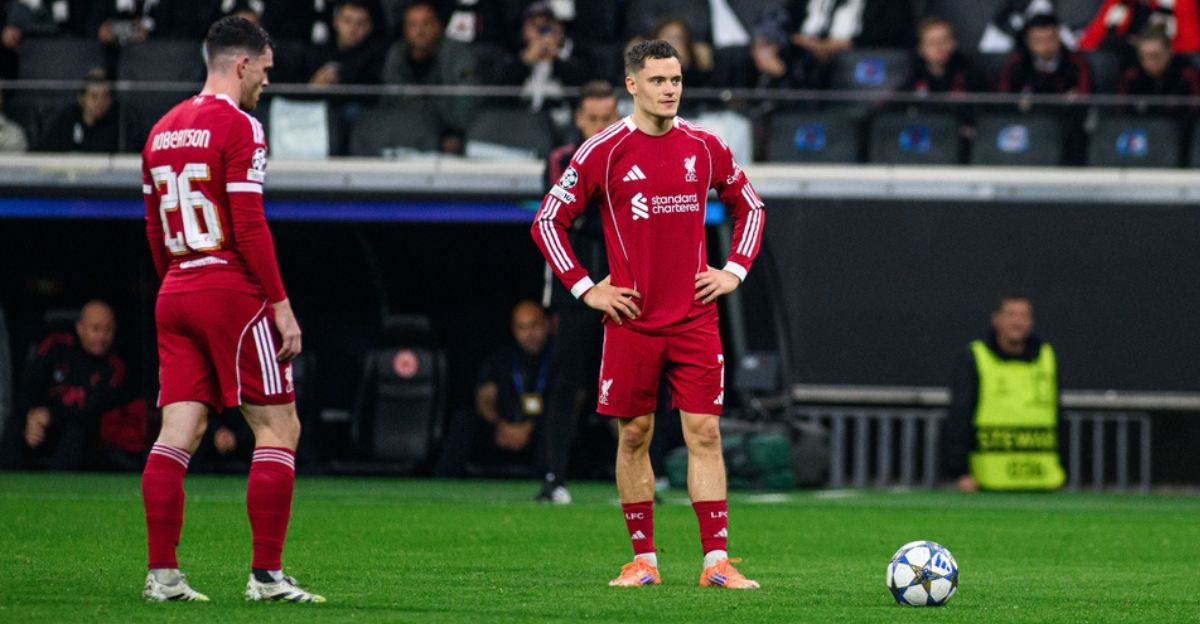
Some fans have also pointed to the potential loss of seeing key players such as Jamal Musiala and Florian Wirtz on the sport’s biggest stage. Their absence would significantly alter the competitive and emotional appeal of the tournament for many viewers.
The financial and sporting shockwaves
Germany’s withdrawal would extend far beyond national borders. FIFA relies heavily on major football markets for broadcasting revenue, sponsorships, and global interest.
Analysts believe that a German boycott could result in substantial financial losses, while also disrupting tournament planning, group allocations, and broadcast strategies. The concern is that the impact would not stop with one nation.
Read also: Harry Kane’s Bayern future suddenly comes with a Tottenham escape route
There is growing speculation that if Germany were to take such a step, other European countries could feel emboldened to raise similar questions about participation.
A test of values for global football
At the heart of the debate lies a broader dilemma for international sport. German football leaders are weighing whether political principles should outweigh competitive ambition.
For FIFA and tournament organizers, the situation highlights the vulnerability of global events to geopolitical tensions. The discussion surrounding Germany’s participation underscores how quickly politics can challenge the assumption that the World Cup exists above international disputes.
As preparations continue, uncertainty lingers over whether football’s most watched tournament can remain insulated from the pressures shaping the world beyond the stadiums.
Read also: ‘I’m not confident’: Red Bull chief delivers troubling verdict on Verstappen’s car
Sources: Fox News
Read also: Man City hit back at Premier League with explosive accusation