Early cancellations surface amid booking uncertainty
According to hospitality and travel industry reports reviewed by market analysts, more than 38,000 hotel bookings tied to the 2026 FIFA World Cup in the United States have reportedly been canceled months ahead of the tournament.
While early reservations are often speculative and refundable, analysts say the volume and timing of the reported cancellations stand out for an event expected to draw millions of international visitors. No official breakdown by city has been released, and neither FIFA nor U.S. authorities have confirmed the figures.
Industry observers note that the pullback appears to reflect hesitation rather than a collapse in interest, with many fans delaying commitments until key details are finalized.
OysterLink data points to a widening gap between price and demand
According to a November 2025 research analysis by OysterLink, hotel pricing in U.S. World Cup host cities has surged well ahead of confirmed demand. The report found that average daily hotel rates across U.S. host markets were up 55 percent year over year, yet occupancy for World Cup dates remained in the single digits in several major cities.
Read also: Harry Kane breaks silence on Man City verdict
OysterLink’s analysis shows that New York City is among the most expensive host markets, with average nightly rates exceeding 580 dollars for tournament periods, while other cities have also implemented premium pricing and minimum stay requirements. Despite this, booking momentum has lagged as travelers wait for ticket allocations and match schedules.
The data suggests that pricing strategies may be outpacing consumer confidence at this stage of the planning cycle.
Travel costs and entry rules influence fan behavior
Industry analysts and OysterLink researchers both point to rising travel costs as a key factor shaping early booking decisions. Higher airfare prices, a strong U.S. dollar, and elevated accommodation rates are making trips to U.S. host cities more expensive for international fans.
OysterLink also highlights new barriers for overseas visitors, including a 250 dollar U.S. visa integrity fee introduced in October 2025 for travelers from non Visa Waiver countries. Long wait times for visa appointments in major markets such as Brazil, India, and China continue to weigh on inbound travel sentiment.
Read also: Phil Taylor comes out of retirement for stunning darts return
According to U.S. Travel Association data cited in the OysterLink report, international arrivals to the United States were projected to decline by 6.3 percent in 2025, a trend that could affect World Cup travel planning. The official 2025 numbers has not been announced yet to compare.
Competition from Canada and Mexico grows stronger
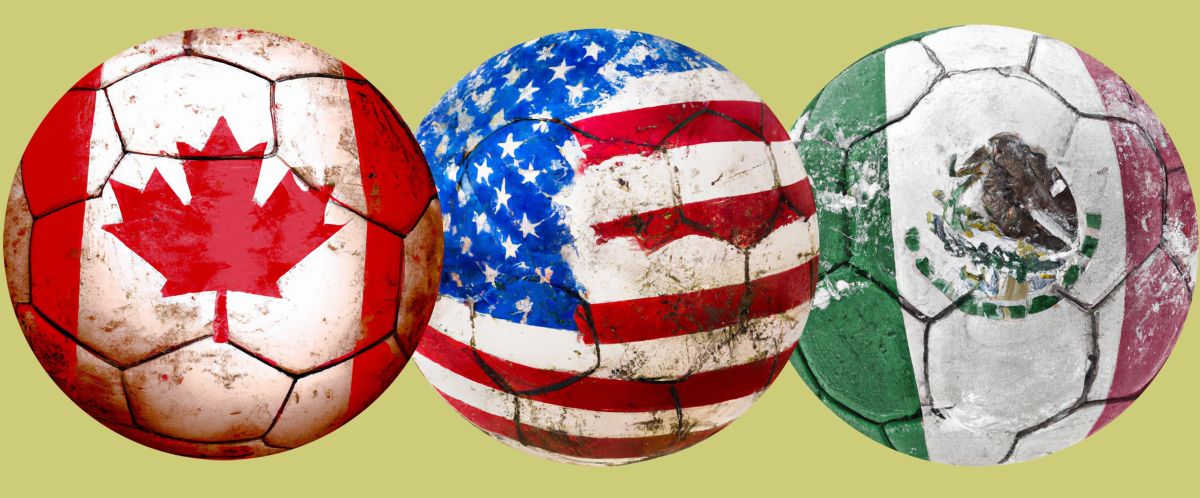
The 2026 tournament will be co hosted by the United States, Canada, and Mexico, and early indicators suggest demand is building more quickly outside the U.S.
OysterLink’s analysis shows that average daily rates in Canadian host cities are up 92 percent year over year, while Mexican host cities have recorded increases of more than 110 percent, reflecting stronger early booking curves. Analysts say more flexible entry rules and lower overall travel costs may be drawing fans toward those markets.
For supporters hoping to attend matches across multiple countries, the cross border format adds complexity and may influence where they choose to base their trips.
Read also: ‘If you lie to me, I will leave’: Guardiola’s City warning takes on new weight
Planning pressure builds for U.S. host cities
Tourism experts caution that early booking volatility does not necessarily predict final attendance. Historically, demand often accelerates once ticket draws and match schedules are confirmed.
However, analysts warn that prolonged uncertainty could complicate planning for U.S. cities investing heavily in infrastructure, transport, and hospitality capacity. With hotel rates already elevated and occupancy lagging, the balance between maximizing revenue and attracting visitors remains delicate.
As OysterLink notes, the success of the U.S. hospitality sector may ultimately depend on flexible pricing, adaptable stay policies, and the ability to respond quickly once fans begin locking in travel plans.
Sources, hospitality and travel industry reports, OysterLink analysis, U.S. Travel Association
Read also: Harry Kane’s Bayern future suddenly comes with a Tottenham escape route
Read also: ‘I’m not confident’: Red Bull chief delivers troubling verdict on Verstappen’s car