The result, explained for non fans
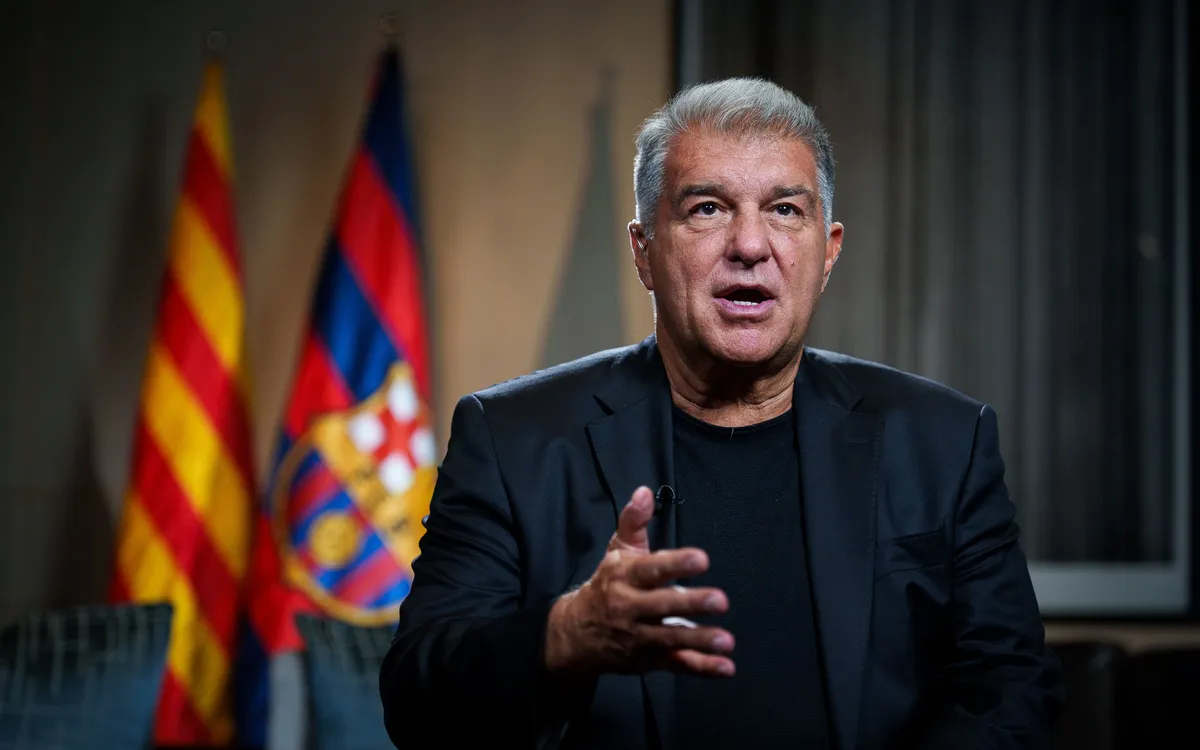
According to FC Barcelona’s official election report, Laporta won with 32,934 votes, which the club said equals 68.18% of the total, while challenger Víctor Font received 14,385 votes, 29.78%, and there were 984 blank votes, 2.04%.
This election was for the 2026 to 2031 term, and it was staged on Sunday, March 15, 2026. According to FC Barcelona’s own election day materials, the club explicitly framed March 15 as both matchday and voting day for the 2026 to 2031 cycle, a way to boost turnout and underline that voting is part of the club’s identity.
Turnout is an important part of the story because it signals how confident, or worried, members feel about the club’s direction. According to FC Barcelona’s “Day for the members” recap, 48,480 members voted, representing 42.34% of the 114,504 registered members on the electoral roll.
For readers who are used to national elections, Barcelona’s voting logistics may feel surprisingly formal. According to FC Barcelona’s official live coverage, voting was personal, secret, and free, voters had to present valid identification, and voting ran from 9:00 a.m. to 9:00 p.m. Central European Time.
Read also: PFA Player of the Year race opens up as Premier League season nears finish
Why FC Barcelona elections matter beyond sports
The simplest reason is that Barcelona’s president is not a ceremonial figurehead. According to the Associated Press, the president effectively acts as the club’s chief executive, and this is happening while the club carries around 2 billion euros in debt, which AP described as the highest debt burden of any soccer club in the world.
The deeper reason is that Barcelona’s elections are a high stakes test of a rare ownership idea. According to the Associated Press, Barcelona is owned by its 114,000 due paying members rather than by a billionaire or a state backed ownership group, and those members are the ones who vote to pick the president and executive board.
FC Barcelona itself has leaned into this framing. According to the club’s March 15 election promotion, presidential elections are presented as the clearest expression of a governance model based on member ownership and direct participation, emphasizing accountability and the link between leadership and membership.
That combination, massive global brand, civic style ownership, and modern football’s financial arms race, is why this election is not just club gossip. It is a case study in whether a democratic model can survive in an industry that increasingly rewards concentrated capital.
Read also: Netflix grabs Formula 1, will stream grand prix live in 2026
What members were really voting on
Even if you ignore tactics, transfers, and rivalries, Laporta’s reelection is best understood as a collective judgment about risk.
According to Joseph Wilson of the Associated Press, Laporta returned to office in 2021 during a severe financial crisis, after the club’s previous spending and the impact of the pandemic hit revenues hard. Wilson reports that Laporta responded by deciding Barcelona could no longer afford Lionel Messi, and by selling assets including 25% of the club’s La Liga television rights for the next 25 years.
Those moves have been controversial because they trade future income for short term breathing room. But supporters argue the alternative was worse, losing competitiveness and potentially endangering the member owned model itself. That tension showed up clearly in campaign reporting.
According to the Associated Press preview of the election, Font warned that Laporta could eventually invite a major outside investor into ownership, which Font argued would threaten the member owned structure, and Laporta denied planning such a step while pledging to strengthen protections in the club’s statutes.
Read also: Hamilton’s Africa dream could reshape Formula 1
From the club’s side, the rules and structure of the election also shaped the result, it became a head to head contest. According to FC Barcelona’s Electoral Board announcement, both Laporta and Font passed the required threshold of 2,337 valid signatures, while a third would be candidate, Marc Ciria, fell short after validation, leaving Laporta and Font as the official candidates.
There was also a governance transition baked into the process. According to FC Barcelona, Laporta and part of his board resigned in order to be eligible to run, and the club listed an interim configuration with Rafa Yuste leading until the end of the term on June 30.
The big takeaway for non fans is this, the election was not only about who is likable or charismatic. It was about which financial strategy members trust more in a high debt environment, and whether the club’s identity as member owned is preserved by stability, or endangered by it.
Flick and Deco, the sporting project behind the politics
The user’s prompt mentioned “one more chapter with Flick and Deco,” and that really is a central storyline. Modern elite football clubs operate like complex enterprises, and continuity at the top often means continuity in the sporting department.
Read also: Free tickets, but no security plans for White House UFC event?
According to FC Barcelona’s official announcement in May 2024, Hansi Flick became the men’s first team head coach on a contract running through June 30, 2026, and the club noted the agreement was signed in the presence of president Laporta, vice president Rafa Yuste, and sporting director Deco.
According to FC Barcelona’s official statement in May 2025, Flick later extended his contract to June 30, 2027, again with Laporta and sporting director Deco present for the signing.
Deco’s role is not just symbolic either. According to ESPN’s reporting by Sam Marsden and Moises Llorens, Barcelona appointed Deco as sporting director on a three year deal in August 2023, and the club statement cited by ESPN said Deco would be responsible for setting the sporting philosophy and putting together the squad with the coach, effectively heading the football section.
That is why the presidential election matters for Flick and Deco, and why it matters for fans who focus on matchday results. In Barcelona’s structure, the president and board can drive strategic choices that influence recruitment priorities, wage policy, and long term squad planning, all while working within league financial requirements and the club’s own debt obligations.
Read also: Joshua v Fury 'agreed' behind scenes, says reporter
There is also a psychological element. According to the Associated Press election result report, Laporta benefited from the team’s strong performance under Flick and the emergence of a new star, Lamine Yamal, which helped his reelection message land with members.
In other words, sporting success did not merely entertain voters, it likely reduced the perceived risk of staying the course.
Barcelona’s real to do list before 2031
Laporta’s new mandate does not erase the underlying constraints. It simply gives him time to try to solve them.
According to the Associated Press, Barcelona’s debt increased from 1.3 billion euros to over 2 billion euros under Laporta, and he has argued that part of that rise is tied to the long overdue renovation of Camp Nou, which he expects to boost future revenue once complete.
The stadium project is not a vague promise, it has defined financing. According to FC Barcelona’s April 2023 announcement, the club agreed financing for the Espai Barça project worth 1.45 billion euros with 20 investors, with a structure that includes different repayment tranches and a grace period, and the club said its assets were not used as a guarantee and it did not take a mortgage on the stadium.
That financing story connects directly to why elections get so heated. A stadium can be a revenue engine, but it is also a long term debt commitment, and members are ultimately the stakeholders who live with the consequences.
The revenue context matters here too, because Barcelona’s strategy depends on generating enough income to service debt while remaining competitive. According to Deloitte’s official press release for the Football Money League 2026, FC Barcelona ranked second globally with about 975 million euros in revenue in the 2024 to 2025 season, and Deloitte attributed Barcelona’s revenue growth partly to personal seat licenses linked to the stadium redevelopment.
Put together, the next five years are likely to revolve around three overlapping goals.
First, delivering the stadium and turning it into a reliable year round business asset, not just a match venue, because that is how elite clubs are increasingly growing commercial revenue, as Deloitte notes in its broader Money League commentary.
Second, managing the tradeoffs created by earlier cash raising decisions, including the sale of future broadcast income. According to the Associated Press, Laporta’s crisis response included selling 25% of Barcelona’s La Liga TV rights for the next 25 years.
Third, defending the member owned model in an era where many clubs have moved toward capital heavy ownership structures. That was not just a talking point, it was central to campaign framing. According to the Associated Press election preview, Font argued that the risk of selling a stake to outside investors is real, while Laporta rejected that path and spoke about reinforcing protections through the club’s statutes.
Laporta’s landslide win means members have, at least for now, chosen continuity as the safest route. The paradox is that continuity in modern football is rarely passive. It requires constant adaptation, constant revenue growth, and constant credibility with members who can, in five years, vote again.
Sources: FC. Barcelona


