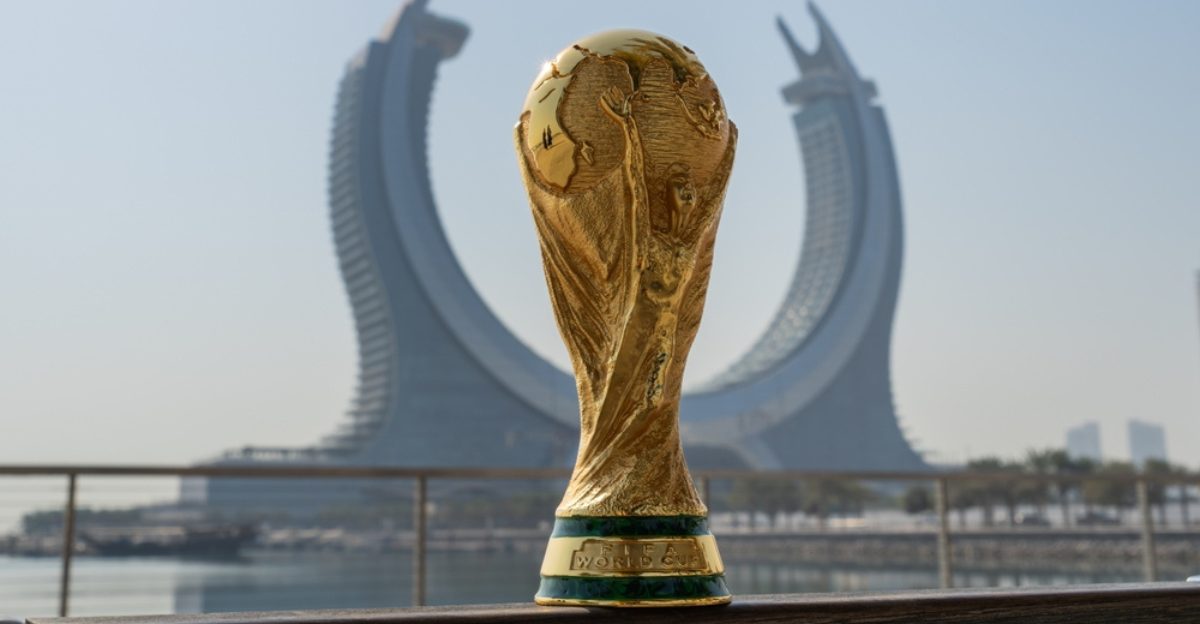
The countdown to the 2026 FIFA World Cup is well underway, and anticipation is building for what promises to be the most unpredictable edition in history. With the tournament expanding to 48 teams and being hosted across the United States, Mexico and Canada, the global landscape of football is wider and more competitive than ever. Traditional powerhouses remain strong, but a number of emerging nations are ready to challenge the established order. From dark horses to outright favourites, here is a ranked look at the top 20 teams heading into next summer’s showpiece.
20. Austria

Austria enter the tournament as one of Europe’s most disciplined and tactically sound sides, even if they lack the star power of the elite nations. Their recent performances have shown a team that is difficult to break down and capable of executing a clear game plan. While they may not be among the favourites, their organisation and work rate could frustrate more fancied opponents. Progressing beyond the early knockout rounds would represent a successful campaign.
19. Ecuador
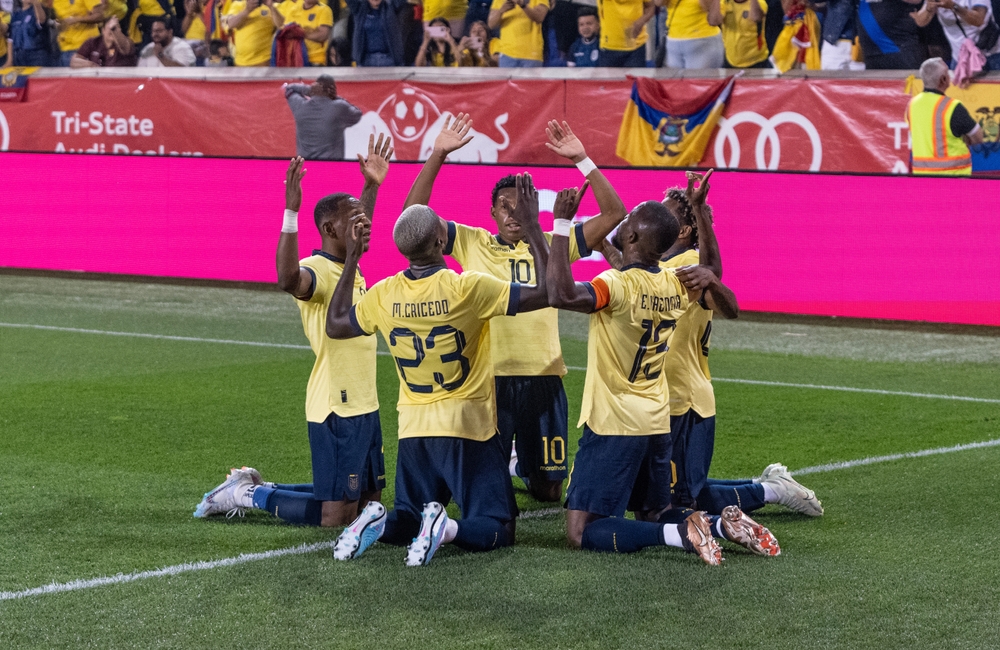
Ecuador continue to impress with a young, energetic squad that blends physicality with technical quality. Players like Moises Caicedo and Piero Hincapié provide a strong spine, giving the team balance in both defence and midfield. Their performances in qualification suggest they are no longer just participants, but genuine competitors. If they find consistency in front of goal, they could spring a surprise.
18. Egypt
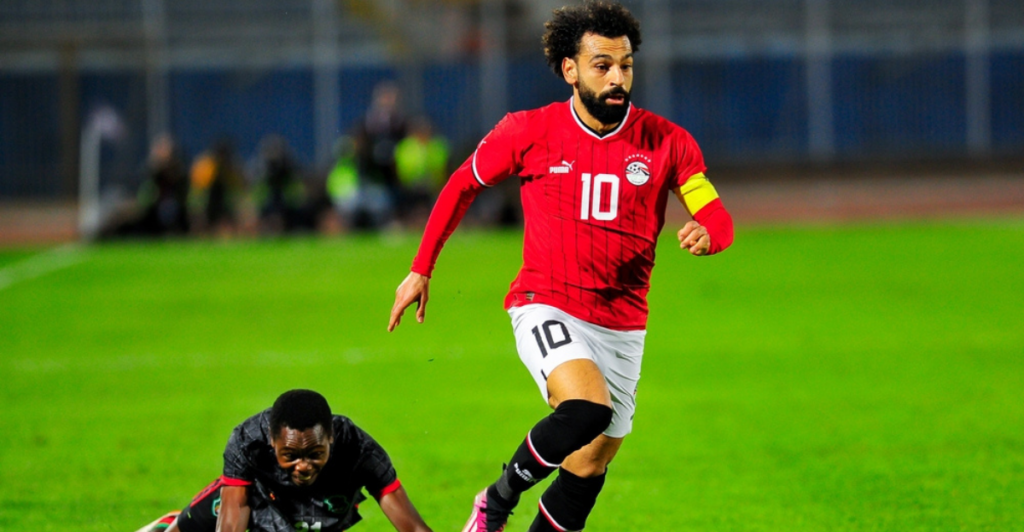
Egypt arrive with one of Africa’s most dangerous attacking duos in Mohamed Salah and Omar Marmoush. Their dominant qualifying campaign has raised expectations that they can make a deep run. The key will be whether they can translate that form against stronger opposition on the biggest stage. If they do, Egypt could emerge as one of the tournament’s standout stories.
17. Italy
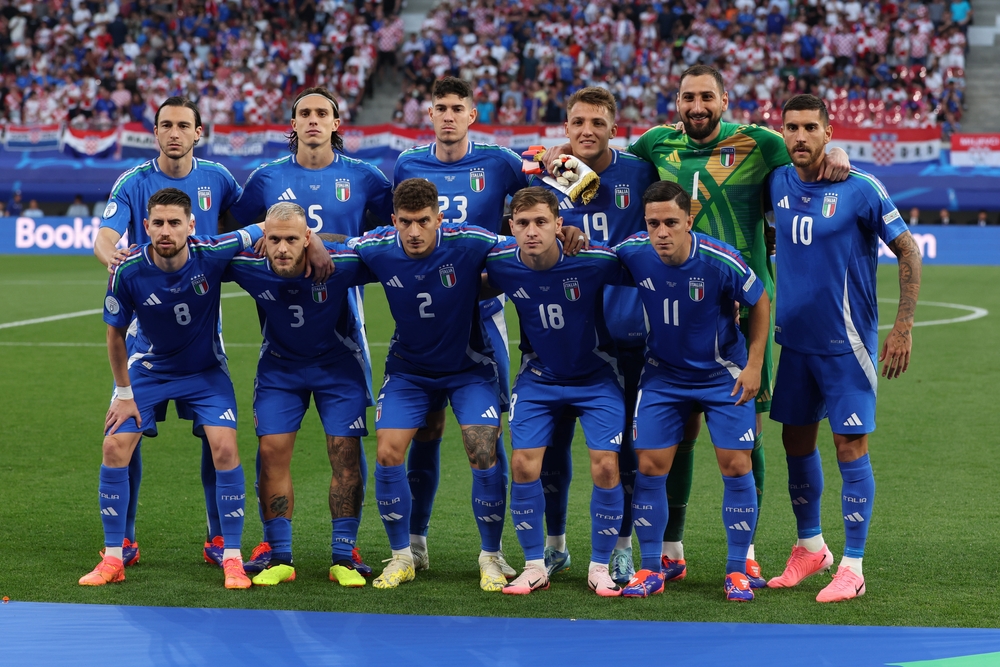
Italy’s position in these rankings reflects both their historic pedigree and current uncertainty. The four-time world champions are still battling to secure qualification, which underlines their inconsistency in recent years. However, tournament football often brings out the best in the Azzurri. If they reach the finals, their experience alone makes them a team nobody will want to face.
16. Morocco
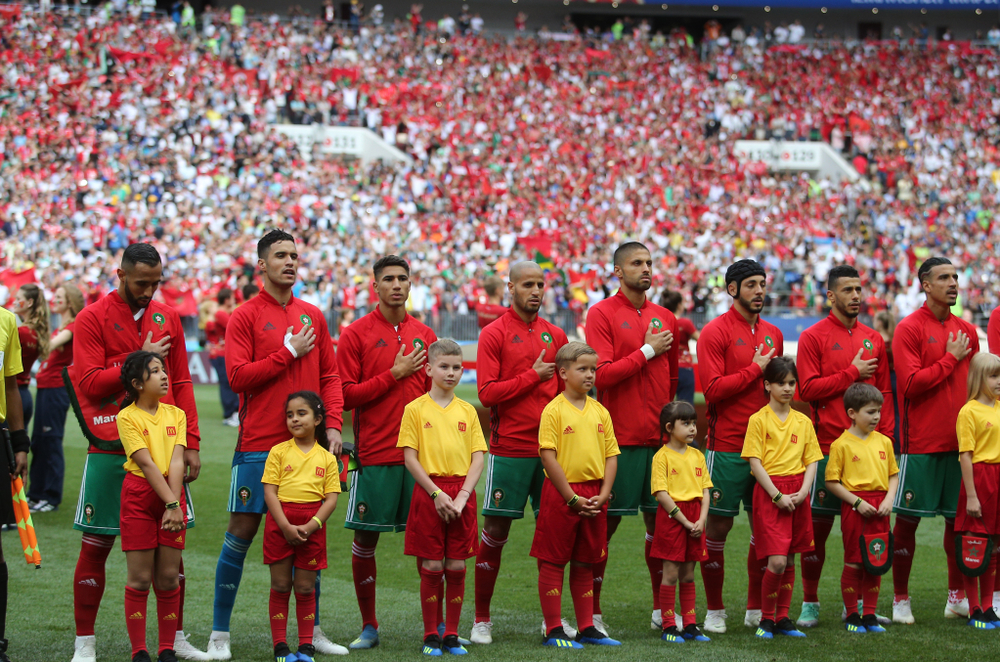
Morocco’s remarkable run to the semi-finals in 2022 proved they belong among the world’s elite. While they have not quite hit the same heights since, their squad remains packed with quality and belief. The Atlas Lions are tactically disciplined and thrive in high-pressure matches. Another deep run cannot be ruled out if they rediscover their best form.
15. Croatia
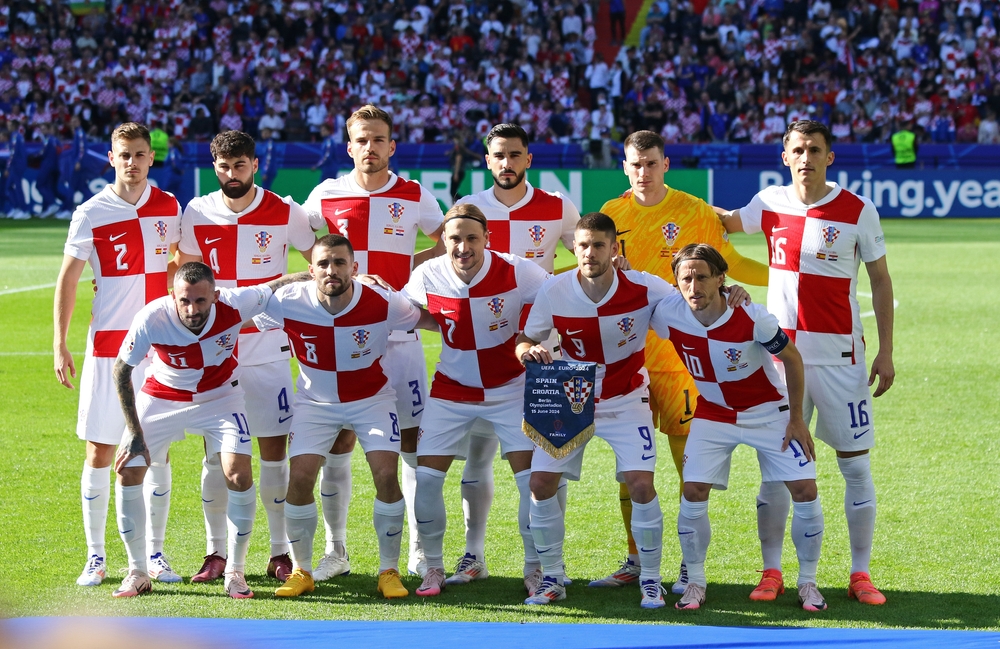
Croatia continue to defy expectations, driven by a golden generation that refuses to fade quietly. Luka Modrić, even in the twilight of his career, remains the heartbeat of the team. Their experience in major tournaments makes them incredibly difficult opponents. If this is indeed their final chapter together, they will be determined to make it count.
14. Switzerland
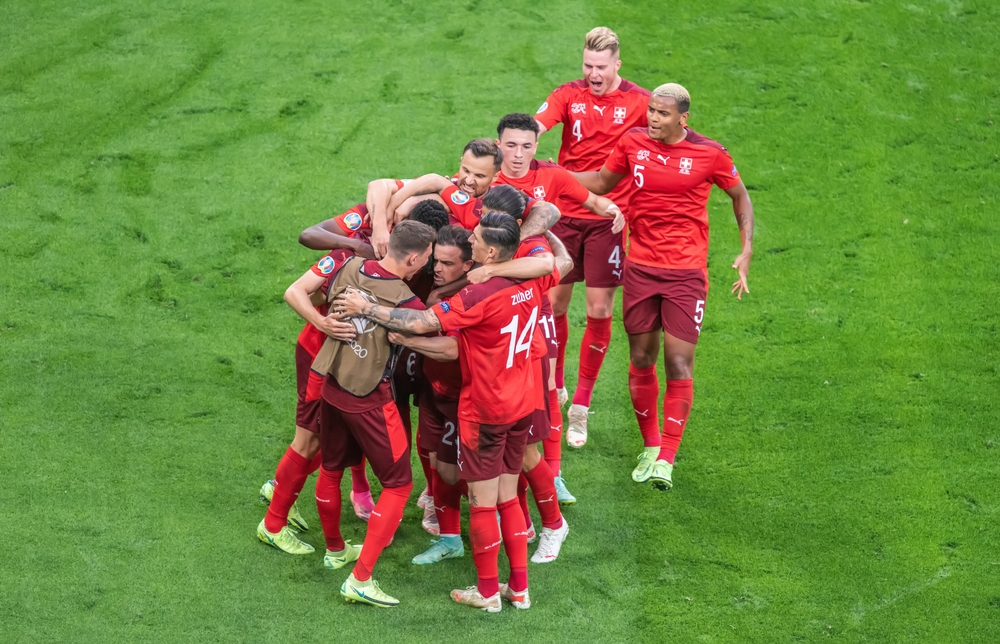
Switzerland are one of the most consistent teams in international football, regularly progressing to the knockout stages of major tournaments. Their strength lies in organisation, discipline and collective effort rather than individual brilliance. They rarely beat themselves, which makes them a dangerous opponent. However, a lack of cutting edge could limit their ambitions.
13. Senegal
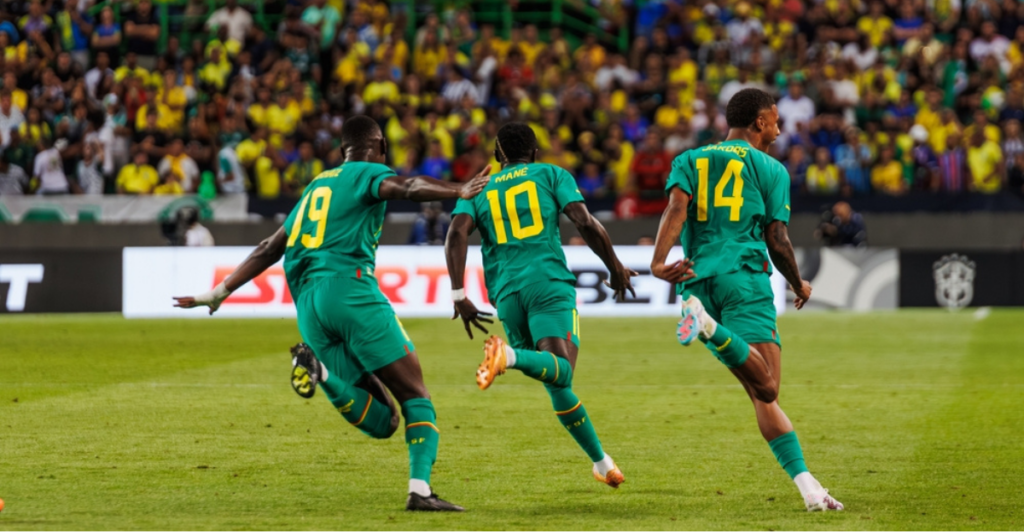
Senegal have established themselves as one of Africa’s strongest sides, combining physical power with technical ability. Their recent success in continental competitions has boosted confidence within the squad. They have already shown they can compete with top European nations. With the right momentum, they could go further than many expect.
12. Colombia
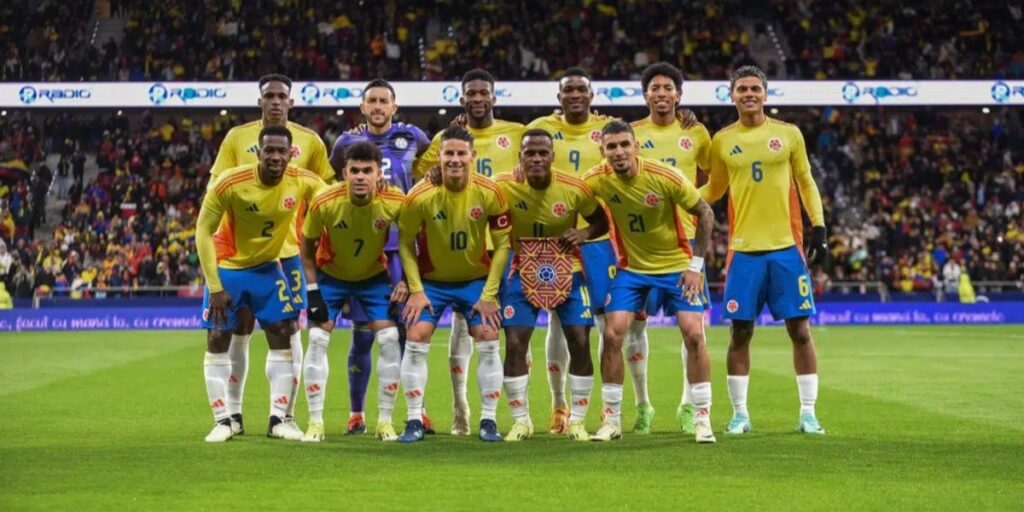
Colombia return to the World Cup with renewed optimism after missing out in 2022. Their attacking talent and flair make them one of the most entertaining teams to watch. A solid qualifying campaign has restored belief among supporters. If they can maintain defensive stability, they have the tools to challenge stronger teams.
11. Norway

Norway have been one of the standout teams in European qualification, combining attacking firepower with impressive consistency. Erling Haaland leads the line as one of the most feared strikers in world football. Their confidence is high after a dominant run of results. The question now is whether they can translate that form onto the global stage.
10. Belgium

Belgium appear to be transitioning away from their golden generation, but they remain a dangerous side. Kevin De Bruyne still possesses the quality to influence games at the highest level. Emerging talents will need to step up if they are to compete with the elite. Their experience could still carry them further than expected.
9. Uruguay
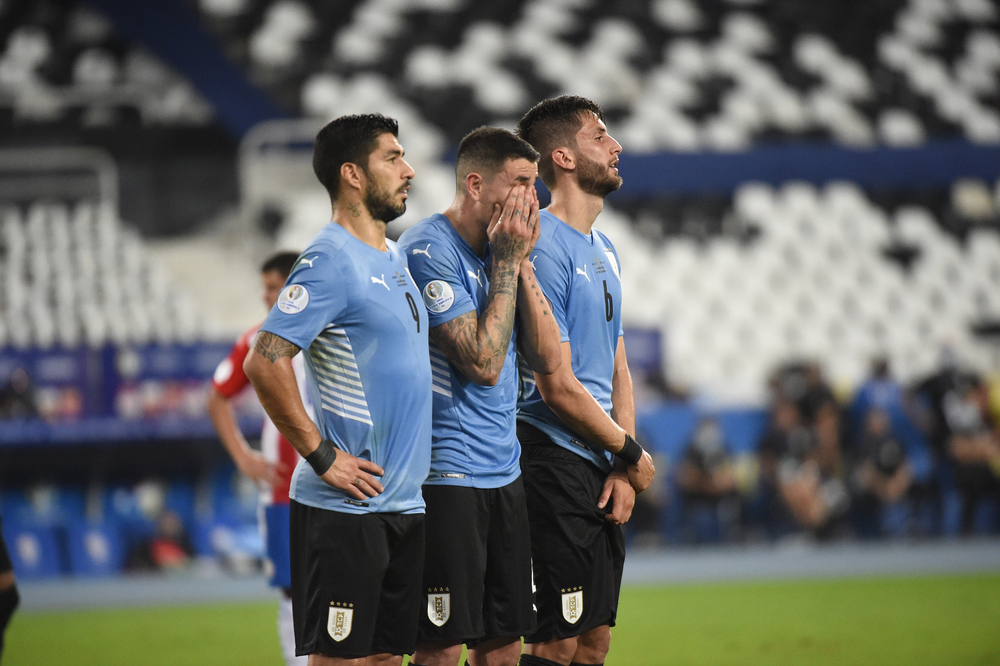
Uruguay’s identity as a fierce, resilient tournament team remains intact. Under Marcelo Bielsa, they have added a more aggressive and dynamic style of play. Victories over major nations in qualification underline their potential. However, a difficult group could make their path more complicated.
8. Netherlands
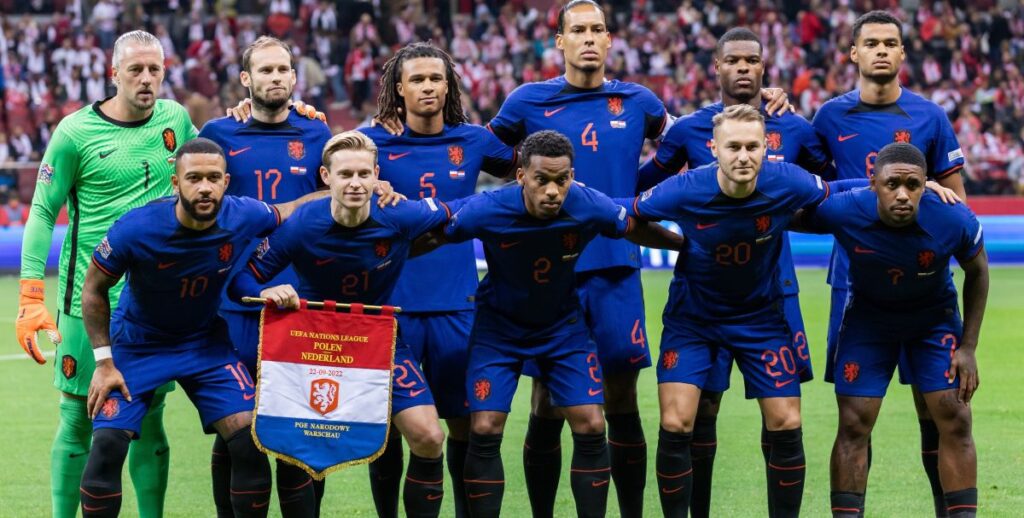
The Netherlands boast a well-balanced squad, combining experienced leaders with exciting young talents. Their qualifying campaign demonstrated both attacking strength and defensive solidity. Yet questions remain about their ability to deliver in decisive knockout matches. This tournament could be their opportunity to silence those doubts.
7. Brazil
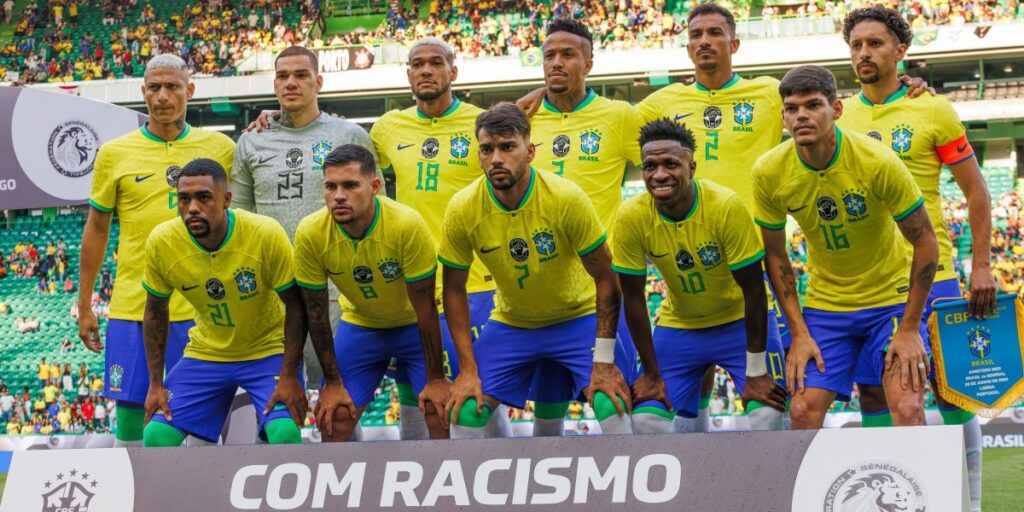
Brazil’s recent inconsistency has raised concerns, but their talent pool remains unmatched. The appointment of Carlo Ancelotti brings experience and a winning mentality to the squad. With players like Vinicius Junior and Rodrygo, they possess immense attacking threat. If they find cohesion, they will be among the favourites.
6. Germany

Germany are in the midst of a promising rebuild under Julian Nagelsmann. Young stars such as Jamal Musiala and Florian Wirtz have injected energy and creativity into the team. Their performances have shown signs of a return to their former standards. The real test will come in the latter stages of the tournament.
5. Portugal
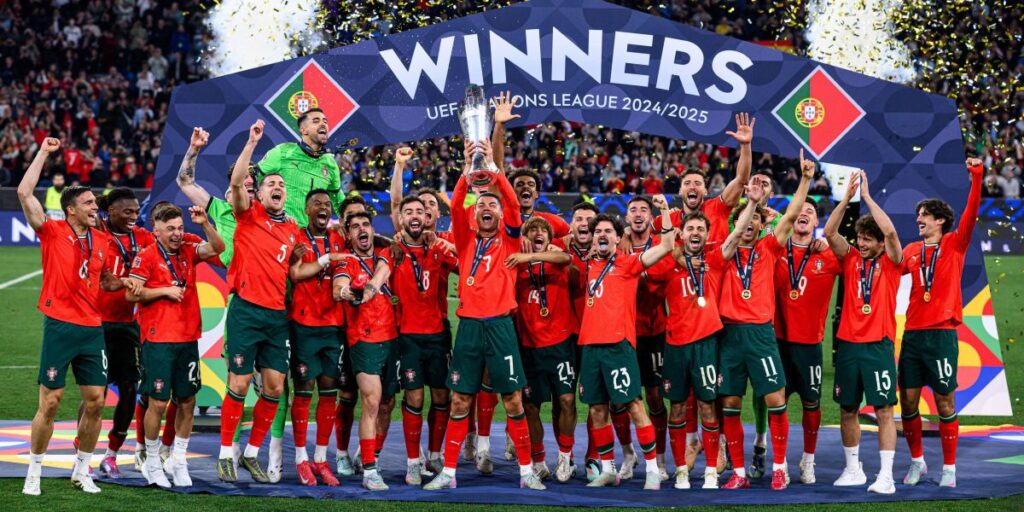
Portugal have assembled one of the most complete squads in international football. Cristiano Ronaldo’s presence adds experience, while a new generation provides depth and dynamism. Their recent success suggests they know how to win under pressure. This could be their best chance to claim football’s biggest prize.
4. Argentina

Argentina arrive as defending champions, but with slightly less pressure than before. Lionel Messi’s potential final World Cup adds an emotional narrative to their campaign. Their qualification form has been strong, maintaining their status as a top contender. They will be determined to prove their triumph in 2022 was no one-off.
3. England
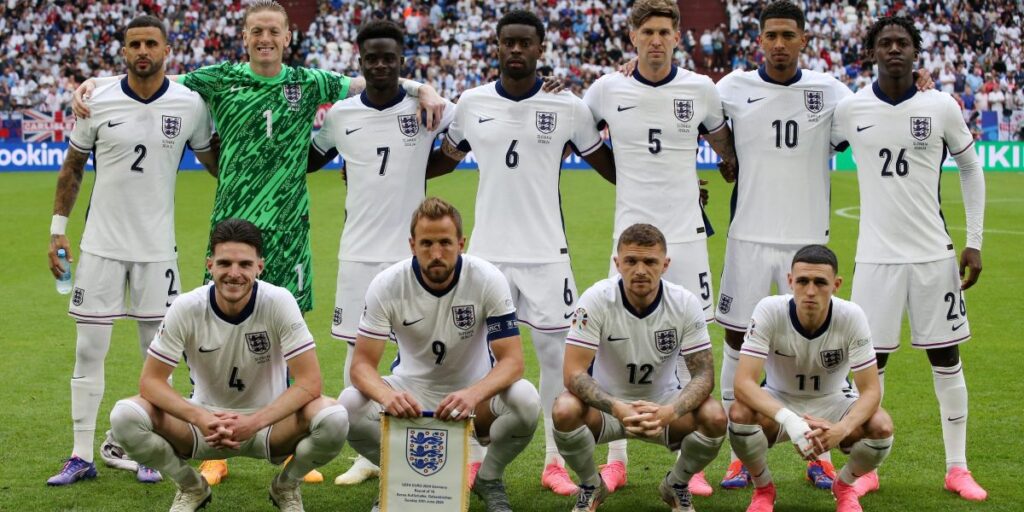
England continue to knock on the door of major success, and expectations remain high. Under Thomas Tuchel, they have shown signs of tactical evolution and renewed focus. Their squad is packed with talent across all areas of the pitch. The challenge now is turning potential into silverware.
2. France
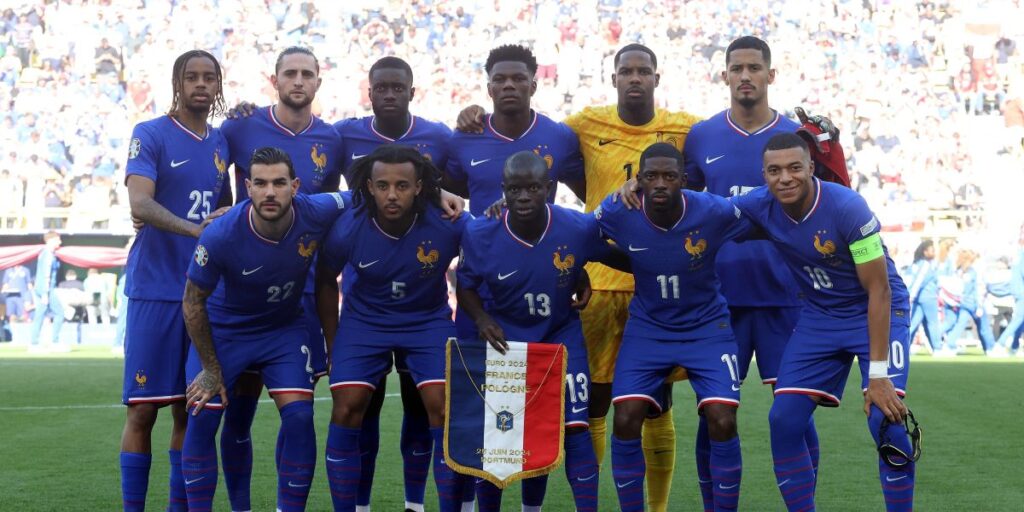
France remain one of the most formidable teams in world football, despite recent inconsistencies. Their squad depth is unmatched, with world-class players in every position. They have the ability to win games even when not at their best. That resilience makes them serious contenders once again.
1. Spain

Spain head into the tournament as the team to beat after their dominant Euro 2024 triumph. Their blend of youth and experience has created a dynamic, fearless side. Players like Lamine Yamal and Rodri embody the future and present of Spanish football. On current form, they look best placed to lift the World Cup trophy in 2026.