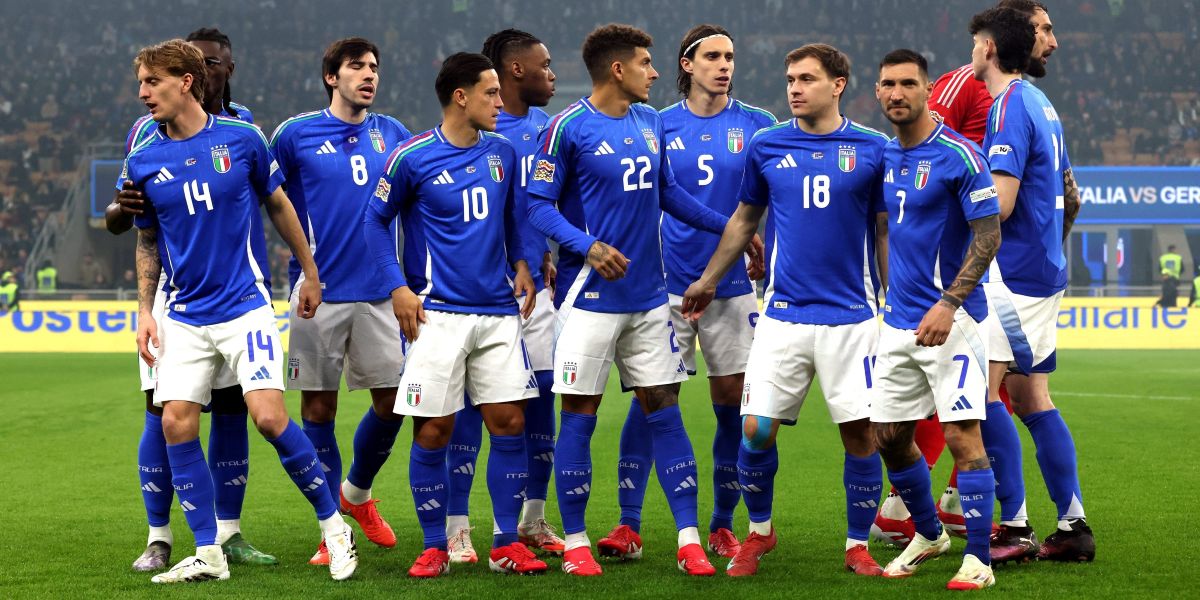
After Italy lost to Bosnia and Herzegovina on penalties on Tuesday, March 31, and missed a third straight World Cup, the fallout quickly moved beyond the result itself and into the center of the federation. According to AP’s match report, the defeat confirmed another historic setback for one of football’s most decorated national teams, while Sky Sport reported that Gravina’s position had come under growing pressure ahead of urgent talks in Rome.
According to AP’s report by Andrew Dampf, Andrea Abodi has said Italian football needs to be rebuilt and that the process should begin with a change at the top of the FIGC. That has turned the story from a reaction to one loss into a wider argument about leadership, structure and whether the current model can still carry the national game forward.
Why the pressure now reaches FIGC
According to AP’s wider analysis by Andrew Dampf, this is no longer being treated inside Italy as an isolated sporting failure. Italy has now missed the World Cup in 2018, 2022 and 2026, and that run has intensified scrutiny of the federation’s decisions, its planning and the broader condition of the domestic game.
The result against Bosnia and Herzegovina has therefore become a trigger for a much bigger debate about how Italian football is run and why the national team continues to fall short at decisive moments. According to Sky Sport’s reporting, an urgent meeting was called for Thursday, April 2, and the discussion was expected to involve several parts of the football structure, not only the senior national team setup.
Read also: Kasper Schmeichel finds completely new path after football retirement
That matters because it suggests the response is being framed as institutional rather than symbolic, with attention falling on leadership, coordination and the wider direction of Calcio as the federation tries to contain the fallout.
How Thursday’s meeting could define the next phase of Italy’s reset
According to Sky Sport, the significance of the Rome meeting lies in how broadly the crisis is now being interpreted inside Italian football. The discussion is not simply about explaining a painful elimination, it is about deciding whether the federation can still manage the pressure internally or whether a more visible reset is now unavoidable.
With Gravina under pressure and public criticism growing, the meeting could become the point at which frustration turns into formal change. According to AP’s report by Andrew Dampf, Abodi has already made clear that he believes the rebuilding process should begin at the top of the FIGC.
That means the federation is now confronting a decision that goes beyond short term damage control. It must either present a credible transition plan or risk deepening the sense that Italian football is reacting to failure rather than seriously reforming itself after another World Cup collapse.
Read also: Andy Murray reveals one major regret about Nadal and Djokovic
Sources: Sky Sport, AP, Andrew Dampf, AP match report
Read also: Manchester United told to ‘nick’ two Man City stars if relegation hits