Russia returns with flag and anthem
According to AFP, in The Moscow Times report on the decision, the International Judo Federation has voted to let Russian athletes compete again with their national symbols in place. The federation also confirmed the change in its own article, “Sport: The Last Bridge for Reconciliation and Peace”, where it said the policy would take effect from the 2025 Abu Dhabi Grand Slam. That marks the end of the neutral status Russian judokas had been competing under since the wider sporting fallout from the 2022 invasion of Ukraine.
In the wording carried by AFP and repeated by the IJF, the federation said: “The IJF Executive Committee has therefore voted to permit Russian athletes to compete under their national flag once again, with anthem and insignia in place, beginning with the 2025 Abu Dhabi Grand Slam.” The statement leaves little doubt about the scale of the change. This is not a limited relaxation or a partial reinstatement, it is a full return to visible national representation inside the sport.
Moscow hails a symbolic win
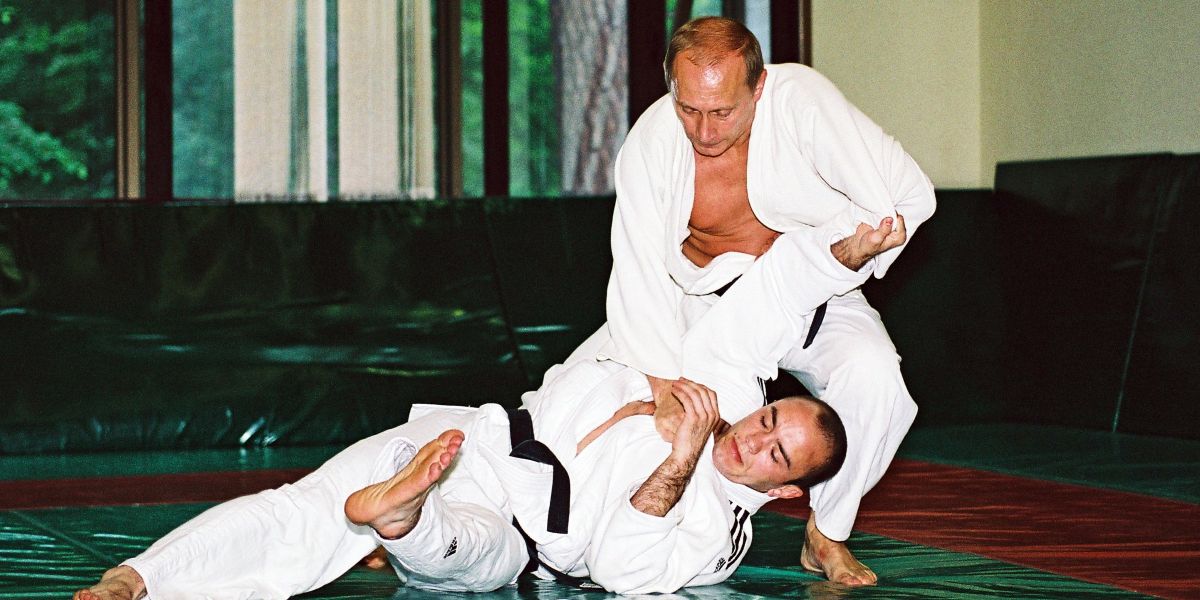
The decision was quickly welcomed in Russia, where judo carries political as well as sporting significance. According to AFP in The Moscow Times article, Sports Minister Mikhail Degtyarev described judo as one of the country’s favorite sports and called it “a presidential sport,” a reference to Vladimir Putin’s long public association with it. Sergei Soloveychik, president of the Russian Judo Federation, also called the move “historic,” presenting it as a meaningful step toward wider reinstatement in international competition.
That reaction reflects more than simple enthusiasm over a tournament rule change. In Russia, judo has often been treated as part of a broader national image, which helps explain why the restoration of the flag and anthem was framed as an event with symbolic weight. The return matters not only because athletes can compete differently, but because it signals recognition and status in a sport that has long been closely watched by Russian officials and state media.
Read also: Arteta’s future questioned after defeat
A wider shift across international sport
The IJF said its decision followed the reinstatement of full national representation for Belarusian athletes, another sign that some federations are reassessing the restrictions introduced after the invasion. In its own statement, the federation argued that Russian participation should now be allowed “under equal conditions” and said Russia’s return would strengthen competition in world judo. That places judo among the sports where governing bodies have begun moving faster than the Olympic system in restoring athletes from Russia and Belarus to fuller participation.
That does not mean the broader restrictions have disappeared. In the IOC decision on strict eligibility conditions for Paris 2024, the Olympic body said Russian and Belarusian athletes could compete only as individual neutral athletes and only under tight conditions. The contrast is notable, because it shows how uneven the international sports landscape has become, with some federations reopening the door to national symbols while the IOC has kept a more restrictive framework in place.
Abu Dhabi will be the first real measure
The federation defended its decision by arguing that athletes should not be held responsible for the actions of governments. In the IJF article linked above, it said: “Sport is the last bridge that unites people and nations in very difficult conflict situations,” and added that athletes have no responsibility for government decisions. That line of argument has become familiar in sports governance, but in this case it now carries immediate practical consequences because Russian judokas are no longer being asked to appear without their flag or anthem.
The first visible test of the new policy will come at the Abu Dhabi Grand Slam, which the IJF identified as the event where the reinstatement begins. What happens there will matter beyond judo itself, because other federations, athletes and national committees will be watching to see whether this becomes an isolated exception or part of a broader return for Russia across international sport. For that reason, the decision is likely to resonate well beyond a single tournament weekend.
Read also: Cristiano Ronaldo cools 2030 talk as confirmed reports point to 2026 farewell
Sources: AFP via The Moscow Times report, the IJF article “Sport: The Last Bridge for Reconciliation and Peace”, and the IOC article “Strict eligibility conditions in place as IOC EB approves Individual Neutral Athletes for the Olympic Games Paris 2024”.
Read also: Italy’s World Cup hopes are not dead yet as Iran uncertainty prompts FIFA contingency talk