Why this became a World Cup story
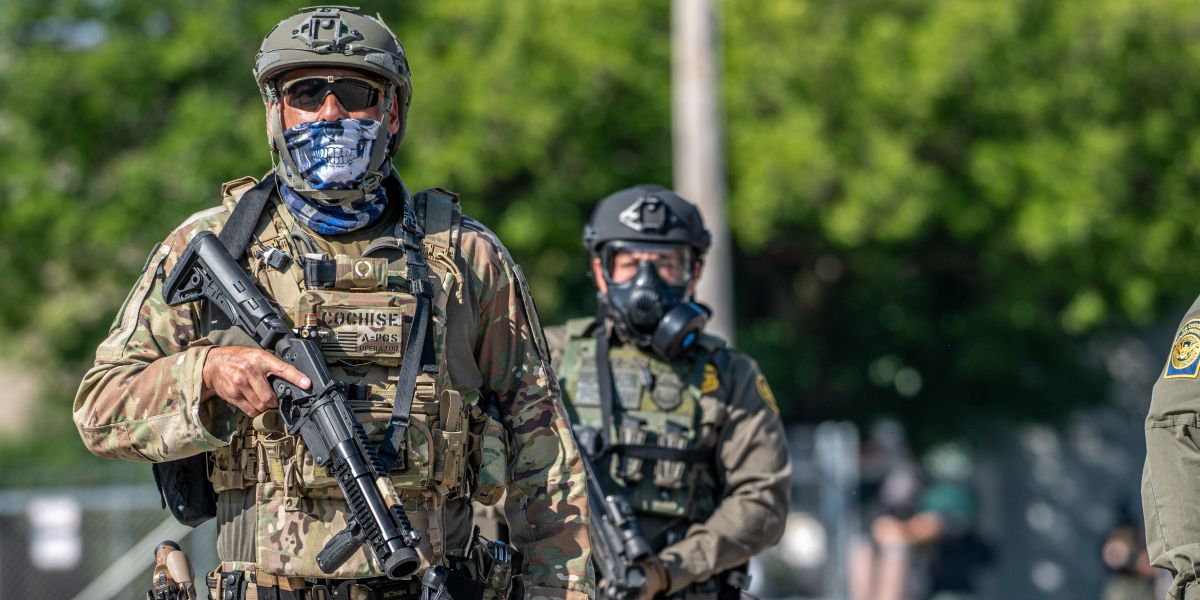
Only few days ago, it was announced by Tim Dunn’s report for the Boston Herald, that ICE agents in Boston area had arrested five fugitives in New England who were wanted abroad on murder or homicide allegations. Only a few months ahead of the World Cup 2026, Boston needs to keep their streets clean as it is also a World Cup host region, and any high profile argument about public safety, border enforcement and foreign nationals now sits next to a tournament that will bring in teams, media and fans from across the world.
According to FIFA’s Boston host city page, Boston will stage seven World Cup matches. According to the official Boston 26 match schedule, that slate includes a round of 32 game and a quarterfinal. Once a city is preparing for that scale of international traffic, security stories stop being separate from sports coverage. They become part of the backdrop to the event, part of how the city is discussed abroad, and part of how fans judge whether a host nation feels open, stable and ready.
There has been numerous articles, stories, media coverage on whether Mexico, Canada and USA are capable of keeping their citizens and foreigners safe for such a large event as the World Cup 2026, but one things is clear, they will do whatever it takes to make sure it looks safe from the outside, with the use of ICE-agents, limiting areas of public events like in New York and enhancing the passport control.
Security is now part of Boston’s tournament image
According to the U.S. Department of State’s World Cup visa guidance, fans who need visas should apply now, and the U.S. is presenting the process as both hospitality and security. According to the White House task force page for the 2026 World Cup, federal planning for the tournament covers transportation, tourism, safety and security. That is the clearest sports link here. The same federal system that wants to welcome the world for the World Cup is also publicly emphasizing screening, enforcement and control. Those two messages now sit side by side.
Read also: Where Erling Haaland could end up if he leaves Man City
According to U.S. Customs and Border Protection’s World Cup travel page, the agency is preparing security and travel operations across land, air and sea for the tournament. For organizers, that may sound reassuring. For some international supporters, it can sound like a warning that entry will be tightly managed. As time goes on, the FIFA and USA, specially, is selling the World Cup more and more as a festival and less as an actually football competition. Most importantly, the host cities do not want the conversation dominated by fear, paperwork and enforcement headlines, they want it to be accessible for the public, surrounded by happiness and excitement.
Before kickoff in Boston
The headline is driven by violent crime allegations and immigration enforcement, not by competition, fan culture or tournament preparation. Even people who support stricter enforcement are still looking at a story that adds political heat to a sporting event built on international access.
Boston’s local organizers are trying to market the region as a place ready to welcome the world, but federal agencies are stressing security and visa control. Headlines of crimes and ICE-agents aren’t helping the narrative they are trying to build though. Both messages can be true at once, but together they create a harder edge around the U.S. World Cup story than organizers would want.
Sources: Boston Herald, FIFA, Boston 26, U.S. Department of State, The White House, U.S. Customs and Border Protection
Read also: Javier Tebas breaks silence on what should happen to Man City next
Read also: Messi admitted he targeted one World Cup rival on purpose