Analysis: Trump turns the World Cup into a new Iran standoff
Outside of football
FIFA is the governing body that runs the men’s World Cup, and the 2026 tournament will feature 48 teams, 104 matches and 16 host cities across the United States, Canada and Mexico, according to FIFA’s tournament overview. That scale is what makes the Iran story more than a football dispute. After U.S. and Israeli strikes on Iran began on February 28, 2026, Trump started talking about Iran’s place in the World Cup in security terms, which immediately pushed the tournament into a much wider political debate.
Trump’s Iran message clashes with FIFA’s public line
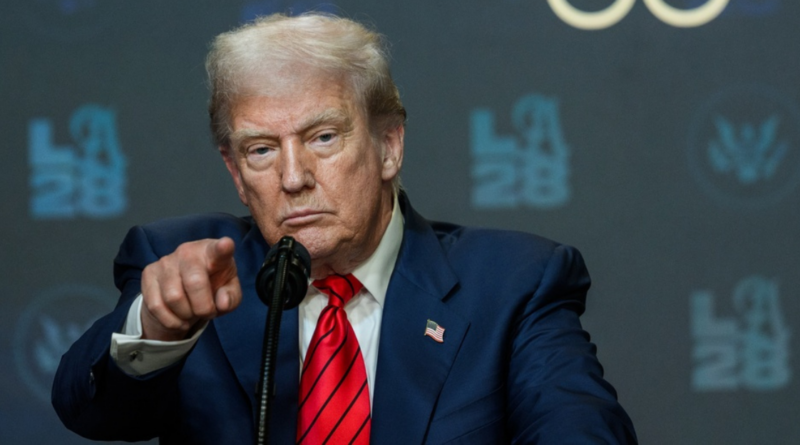
According to the AP article “Trump discourages Iranian soccer team from attending the World Cup, citing safety concerns” by Seung Min Kim and Graham Dunbar, Trump said Iran’s national team was welcome at the tournament, but also argued it was not appropriate for the players to be there because of safety concerns. In another article by FIFA’s official report “US President Donald Trump reaffirms support for FIFA tournaments during meeting with Gianni Infantino”, Gianni Infantino had just thanked Trump for backing FIFA events and for helping set up a task force around them. Together, those two positions show the contradiction at the center of this story: FIFA is trying to present the tournament as inclusive and stable, while Trump is using it to send a harder political message toward Iran.
Why FIFA is now part of Trump’s politics
According to the White House fact sheet “President Donald J. Trump establishes White House Task Force on the FIFA World Cup 2026” and the FIFA report linked above, Trump’s administration created a task force to oversee preparations for FIFA events, with Trump as chair and Vice President Vance as vice chair. This matters because it shows the White House is treating the World Cup as a major political and security project, not simply as a summer tournament. Once that happens, FIFA stops being just a sports organizer and becomes part of a much broader story about national image, government control and diplomatic signaling.
Iran still wants to play, but the pressure is rising
According to the AP article “Asian Football Confederation says Iran is still set to play at the World Cup”, the Asian Football Confederation said it had heard nothing suggesting Iran would withdraw, and the Iranian team made clear that it still wants to compete. The same AP report notes that Iran is ranked No. 20 by FIFA and has qualified for a fourth straight World Cup, which helps explain why the issue matters so much inside football as well. This is not a fringe team creating a side story. It is a well established national side caught in a geopolitical confrontation just months before the tournament.
Read also: Ronaldo delays Saudi return as family stays in Madrid amid injury concerns
The dispute has already moved from words to logistics
According to the AP article “Iran wants to move its World Cup matches from US to Mexico. FIFA is sticking to its schedule” by Graham Dunbar and John Pye, Iranian officials argued that the United States could not be trusted on visas and security and pushed for the team’s matches to be moved to Mexico. FIFA did not go along with that request and kept the schedule in place. This is the practical heart of the story: the conflict is no longer just about rhetoric, it is about whether a host country can remain politically hostile toward one team while still claiming to be a neutral stage for a global competition.
The Boston example shows the bigger pattern
According to the AP article “What to know about President Trump’s threat to take World Cup matches from Boston” by Michael Casey, Trump also threatened to move World Cup matches away from the Boston area, even though FIFA and host city contracts make those decisions far more complicated than he suggested. That episode matters here because it shows that his comments about Iran do not stand alone. They fit a broader pattern in which Trump talks about the World Cup as something he can shape through pressure, visibility and political leverage, even when FIFA formally controls the tournament.
Before the tournament starts
The World Cup is supposed to work on a simple principle: if a team qualifies, it plays under the same rules as everyone else, and the host nation provides the conditions for that to happen. Trump’s position on Iran challenges that principle by mixing welcome, warning and political posturing at the same time. It shows how quickly a global sports event can become part of a larger confrontation between state power and international sport.
Read also: Three VAR decisions that have benefited Arsenal in the title race
Read also: Max Dowman vs Wayne Rooney at 16: The wage gap is eye-opening