A rescue act with an uncomfortable edge
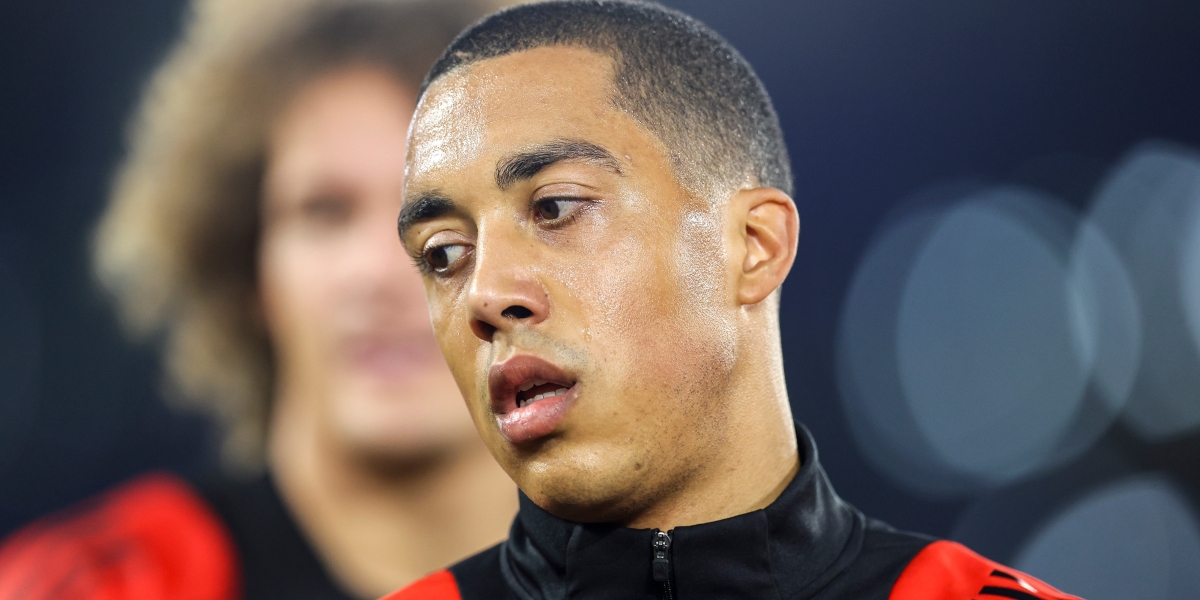
Youri Tielemans ended the night as Belgium’s hero, but not without leaving something more complicated behind.
Belgium were close to crashing out of the World Cup when Senegal led 2-0 in Seattle. Romelu Lukaku gave them hope in the 86th minute, before Tielemans headed in the equaliser three minutes later and then scored the decisive penalty deep into extra time.
According to Andrew Destin for AP, Tielemans converted the penalty in the 125th minute, making it the latest goal in World Cup history.
It was a captain’s intervention in the clearest sense. Tielemans did not hide from the pressure. He stepped forward and dragged Belgium into the next round.
Read also: Roy Keane gives Manchester City stars brutal message over medals after guilty verdict
But the match also showed the other side of his leadership.
The clash with Trossard
Before Belgium’s comeback, Tielemans was involved in a heated exchange with Leandro Trossard during the second half.
The incident was described by Jonatan Pinheiro Diamant in Aftonbladet as a moment where Trossard became furious with Tielemans after the midfielder chose to cross instead of pass. The two players shouted at each other, and Nicolas Raskin stepped in with an opponent when the argument threatened to become physical.
Tielemans later played down the incident, saying: “Ah, it was just in the heat of the moment. We are all winners and want to represent our country in the best possible way.”
Read also: Where Erling Haaland could end up if he leaves Man City
That explanation is easy to understand. Knockout football is emotional. Players argue. Captains can be demanding.
Still, there is a difference between intensity and loss of control. Belgium were losing, the match was slipping away, and the player wearing the armband was caught in a visible dispute with a teammate.
Garcia defended the fire
Belgium coach Rudi Garcia did not treat the argument as a problem.
According to The Guardian, Garcia said Lukaku tried to calm both players down before adding: “I don’t know why they were arguing but I like that – we need that kind of grit on the pitch.”
Read also: Javier Tebas breaks silence on what should happen to Man City next
That is a reasonable view. Belgium needed urgency, aggression and emotion. They had looked passive for long periods, and the late turnaround came only after the team started playing with more force.
The argument also did not destroy the connection between Tielemans and Trossard. Quite the opposite. Trossard later delivered the cross for Tielemans’ equaliser, and the two players became central to Belgium’s rescue.
That makes the episode less simple. It was not just a sign of trouble. It was also part of a match that turned on emotion.
Should the armband be taken from him?
Taking the captaincy away from Tielemans now would be too strong.
Read also: Messi admitted he targeted one World Cup rival on purpose
He lost his temper, but he also took responsibility. He scored the equaliser. He took the penalty. He carried the pressure when Belgium’s World Cup was on the line.
After the match, Tielemans said: “Being part of this comeback is a proud moment because I scored the last two goals to give the team the win today. I’m very proud of that to be able to help the team to score goals and bring us over the line.”
That is the best argument for keeping the armband on him. A captain is not only judged by how calmly he speaks, but also by how he responds when the match is at its most difficult.
Yet the warning is still there.
Read also: Cristiano Ronaldo crisis forces Portugal chief into emergency action
Tielemans can lead Belgium with fire, but he has to control it. A captain can challenge his teammates. He can demand more. He can show frustration.
What he cannot do is become another source of tension when the team is already under pressure.
For now, Tielemans has earned the right to keep the armband. Against Senegal, he saved Belgium. But he also reminded them that leadership is not only about being brave enough to take the decisive penalty. It is also about staying composed before the crisis reaches that point.