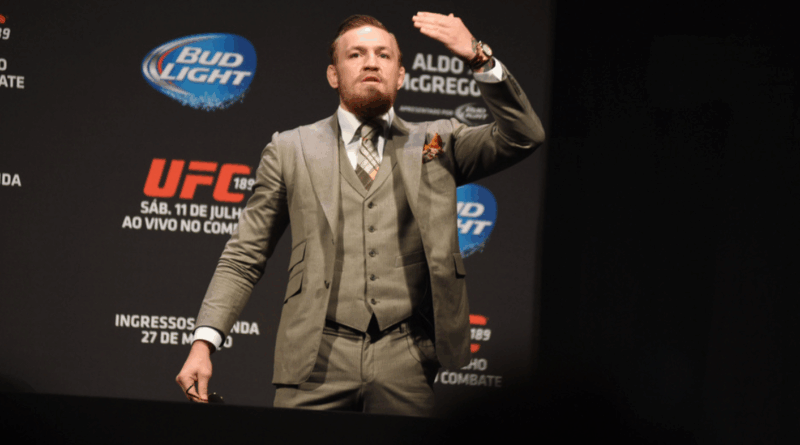
Conor McGregor undergoes psychedelic treatment in Mexico
McGregor’s life outside the cage has drawn heavy scrutiny in recent years.
According to reporting from UK outlets, an Irish civil court ruled in November 2024 that he was liable for assaulting Nikita Hand, awarding her €248,000 in damages. The following summer, video spread online appearing to show McGregor involved in an altercation inside an Ibiza nightclub, adding to the string of incidents shadowing his career.
A comeback on pause
Speculation about his return intensified earlier this month when Combat Sports Anti-Doping (CSAD)—the agency responsible for testing across regulated combat sports—confirmed he had been suspended for failing to complete three required biological-sample collections in 2024.
The ban was backdated to his first missed test on September 20, 2024, meaning he won’t be eligible to fight until March 20, 2026. McGregor has not competed since suffering a severe leg injury in 2021, a layoff that has only deepened questions about whether he will ever step back into the octagon.
Read also: Rashford indicates Barcelona preference after loan spell
A Tijuana treatment session
With his competitive future on hold, McGregor said he traveled to Tijuana for an ibogaine therapy session—a treatment that can cost tens of thousands of pounds and remains outlawed in the United States.
In a post shared on X on November 23, he called the experience “incredible, intense, and absolutely eye-opening,” claiming it showed him a near-death vision.
“I was looking down on myself as it happened, and then I was looking out from the coffin,” he wrote. “God then came to me in the Holy Trinity.”
What ibogaine is, and why it attracts attention
The New York Times describes ibogaine as a powerful psychoactive substance derived from the root bark of the African iboga plant, typically taken as a powder. The outlet reports that it has been used for generations in several African countries and may ease opioid withdrawal symptoms and reduce cravings.
Read also: Lando Norris 'kick' fan out his F1 title celebration
Dr. Joseph Peter Barsuglia, who studies the compound, told the Times that ibogaine appears to “reset” certain neurological pathways and can give users a “fresh perspective on self-destructive ideas.”
Although the drug is classified as a Schedule I substance in the U.S., ibogaine clinics operate legally in Mexico—particularly in border cities like Tijuana, where thousands of people seek alternative treatments each year.
McGregor’s account adds to a growing debate over psychedelics in sports medicine and whether such therapies could eventually be studied or regulated more formally.
Sources: The New York Times, UK media reports, CSAD statements
Read also: Jake Paul teases major update as Joshua fight doubts grow
Read also: Real Madrid eye Zidane return while assessing Alonso’s position