Whistleblower joins reform push
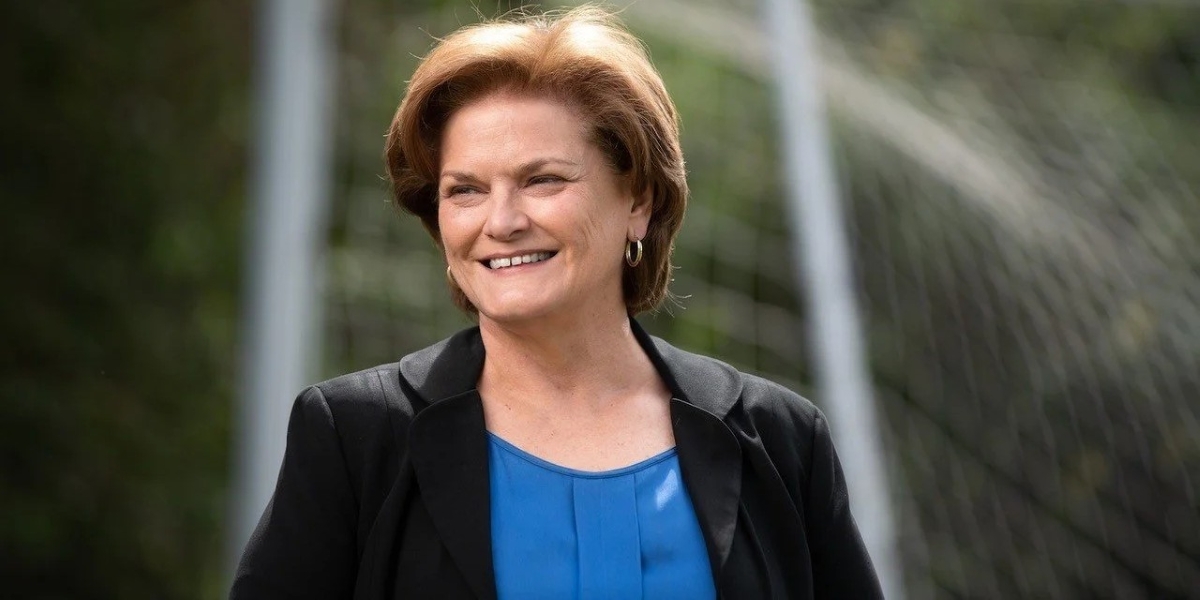
Australian whistleblower Bonita Mersiades has added her voice to a fresh campaign demanding structural change at FIFA, arguing that the organisation has still not dealt with the culture that allowed past scandals to flourish.
Mersiades, who helped expose problems around World Cup bidding and later assisted official investigations, is now part of the Reboot FIFA campaign, a FairSquare-led initiative calling for greater accountability inside football’s most powerful institution.
According to the iNews report, Mersiades believes FIFA’s leadership has changed less than its public messaging suggests.
“The pattern of behaviour hasn’t changed. If you don’t change the culture, nothing’s going to change… It’s very disappointing,” she said.
Read also: Cape Verde keep World Cup dream alive with Uruguay draw
Her intervention comes a decade into Gianni Infantino’s presidency. Infantino was elected in 2016 after the downfall of Sepp Blatter, promising cleaner governance, transparency and a break from the corruption scandals that had engulfed FIFA.
Ticket probe raises pressure
The pressure on FIFA has intensified during the 2026 World Cup, particularly over the cost and handling of tickets.
According to a statement from the offices of New York Attorney General Letitia James and New Jersey Attorney General Jennifer Davenport, both states have subpoenaed FIFA as part of an investigation into ticketing practices for matches at MetLife Stadium, including the World Cup final on 19 July 2026.
The investigation follows reports that fans may have been misled about seat locations and faced rapidly rising prices. Davenport was blunt in her criticism.
Read also: L'Equipe suspends presenter France Pierron over "disgraceful" Jeremy Doku World Cup comments
“Being honest about ticket sales is not complicated. But FIFA has turned buying a ticket to the World Cup into a gauntlet of confusion, fake scarcity, and impossibly high prices, all at the expense of consumers and hardworking New Jerseyans,” she said.
FIFA has defended its pricing model, while Infantino has played down the investigation. But the controversy has reinforced a wider accusation from critics: that FIFA has become increasingly commercial while ordinary supporters are being priced out of the game’s biggest event.
Ethics complaint targets neutrality
The Reboot FIFA campaign is built around an updated ethics complaint against Infantino, focused in particular on his relationship with Donald Trump and the decision to award Trump FIFA’s inaugural Peace Prize during the build-up to the 2026 World Cup.
According to FairSquare’s complaint, the case was filed with FIFA’s Ethics Committee on 8 December 2025 and concerns four instances in which Infantino allegedly expressed public support for Trump’s actions and policies. FairSquare argues that this may breach Article 15 of the FIFA Code of Ethics, which requires football officials to remain politically neutral.
Read also: Arsenal face major Ødegaard call as summer rebuild gathers pace
The complaint also asks FIFA’s ethics investigators to examine how the FIFA Peace Prize was created and whether the FIFA Council was properly involved before the award was given.
Norway has since become one of the most prominent football voices to back the complaint. According to Al Jazeera, Norwegian Football Federation president Lise Klaveness said the NFF had submitted a formal letter of support and called for FIFA to scrap the Peace Prize in order to protect the organisation’s neutrality.
Infantino has also attracted criticism for arguing that Russia should be considered for a return to international football, four years after FIFA and UEFA suspended Russian teams following the invasion of Ukraine.
Committee system under scrutiny
Mersiades has also pointed to FIFA’s committee structure as a sign of how power can be consolidated.
Read also: Iran leave message of dignity after Belgium draw in California
After the 2015 corruption crisis, FIFA reduced its standing committees from 26 to nine as part of a governance reform package. But the organisation has since moved back towards a much larger committee system.
According to ESPN, Infantino has twice been re-elected unopposed, has signalled his intention to stand again in 2027, and remains a dominant figure within global football.
Critics argue that committee seats, travel privileges and tournament access can create loyalty among football officials who later vote on FIFA business. Mersiades described the system as one that rewards insiders and strengthens the president’s political base.
“This allows him to appoint people to positions where they get superannuation, a very handsome stipend, first-class travel, five-star hotels, guaranteed tickets to tournaments like this one. What does that do? It makes people grateful to the FIFA president and shores up his re-election. They get treated as VVIPs, they lose all sense of what’s right and what’s wrong,” she said.
Read also: Zlatan destroys Alexi Lalas live on air as World Cup broadcast turns chaotic
Further allegations add to scrutiny
The criticism of FIFA’s governance is not limited to Infantino.
According to Inside World Football, citing The New York Times, FIFA vice-president and CONMEBOL president Alejandro Domínguez is facing an ethics complaint alleging that he received more than $5 million from funds recovered after the 2015 FIFA corruption scandal. The allegations have not been proven, and Domínguez has not been sanctioned over the complaint.
The case is especially sensitive because FIFA has repeatedly argued that the post-2015 era brought tighter financial controls and a stronger compliance culture.
FIFA insists it has changed
FIFA rejects the idea that it has failed to reform. The organisation says it is better governed than it was during the Blatter years and points to increased revenues, wider development funding and expanded global competitions as evidence of progress.
According to the Financial Times, FIFA has described suggestions that development payments are linked to voting behaviour as “ridiculous” and “misinformed”, while maintaining that it is now more efficient and better aligned with its objectives.
That defence has not persuaded campaigners such as Mersiades. For them, the question is not whether FIFA has changed its language, but whether it has changed the incentives and structures that shape decision-making.
As the World Cup brings record revenue and global attention, the Reboot FIFA campaign is seeking to turn public anger into pressure for reform. Whether that pressure reaches the heart of FIFA’s power structure remains the central question.