The world of elite football promises immense wealth, with top players earning millions over careers that often span more than a decade. Yet, for many icons of the beautiful game, financial security proves elusive once the final whistle blows on their playing days. From World Cup winners to Ballon d’Or recipients, a surprising number of globally renowned footballers have found themselves battling severe debt and even bankruptcy.
Cafu and Ronaldinho’s struggles
Among the most prominent examples is Cafu, the legendary Brazil captain who lifted the World Cup in both 1994 and 2002. Despite a career that saw him finish 15th in the Ballon d’Or rankings the year he captained Brazil to glory, Cafu declared bankruptcy in 2019. His financial woes, as reported by AS, stemmed from mounting debts and ill-advised investments through his player representation agency, Capi-Penta International Player, which he founded with his wife after retiring in 2008. The São Paulo Court of Justice seized five family properties and temporarily froze 15 assets. Fortunately, Cafu has since managed to stabilize his finances, settling most of his outstanding debts.
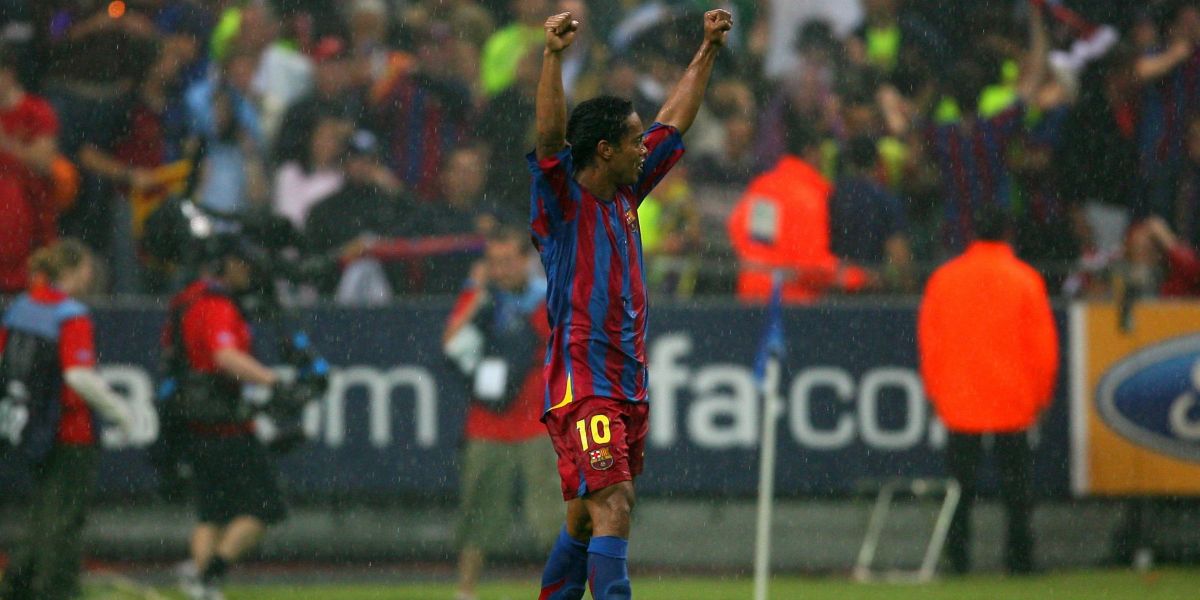
Another Brazilian superstar, Ronaldinho, a 2002 World Cup winner and the 2005 Ballon d’Or recipient, also faced significant financial hardship. Despite an estimated career earning of over $130 million, Ronaldinho’s troubles escalated when he refused to pay a $2 million fine imposed by Brazilian courts. This led to the seizure of 57 properties and several luxury vehicles. His issues culminated in an arrest in Paraguay with his brother for using forged passports, resulting in a five-month jail stint where he celebrated his 40th birthday.
From Best to Brown: Other notable cases
The issue of post-career financial struggles is not new, nor is it exclusive to South American stars. George Best, the iconic Manchester United forward and Ballon d’Or winner, died in 2005 with substantial debts. The Manchester Evening News detailed that Best owed £450,000, including £300,000 to Cromwell Hospital and £100,000 for an outstanding mortgage on his Chelsea apartment. His bankruptcy meant he received complimentary medical treatment, and as a source close to the situation noted, “When all the debts are paid off, all George’s family are likely to inherit are memories.”
Read also: Report: If Olise leaves Bayern Munich, club will replace him with Premier League superstar
Liverpool and England legend John Barnes also fell victim to financial mismanagement, incurring £1.5 million in bills due to misplaced trust in others. Barnes, who commanded a £10,000-per-week salary as the league’s highest-paid player after joining Anfield in 1987, has been actively working to repay his debts. “Like a lot of elite sportspeople, I got burned because I trusted people, I got caught out a couple of times and ended up losing between £1m and £1.5m over four years,” Barnes explained. “In 2017, I began talking to HMRC about what I could do to repay what I owed.” He has since repaid £61,000.
More recently, former Manchester United and England defender Wes Brown was declared bankrupt in 2023. Despite earning £50,000-per-week at his peak, Brown’s financial issues were compounded by a six-figure divorce settlement and poor property investments, including an unsold farm valued between £6-7 million.
These cases highlight a recurring theme: despite earning fortunes, many footballers struggle to manage their wealth effectively after retirement, often due to poor investments, lavish lifestyles, or misplaced trust in advisors.
Read also: Liverpool's new wage hierarchy: Van Dijk leads a transformed Anfield squad in 2026
Read also: Fresh scandal for Infantino: Leaked 2020 document reveals a major secret