Managers and players are being sacked, where are the faceless sporting directors?
The quiet hands pulling strings
Recent turmoil at Manchester United has reignited debate about who truly holds authority at the top of elite football clubs. While managers remain the most visible figures, strategic control increasingly sits with executives operating far from public view.
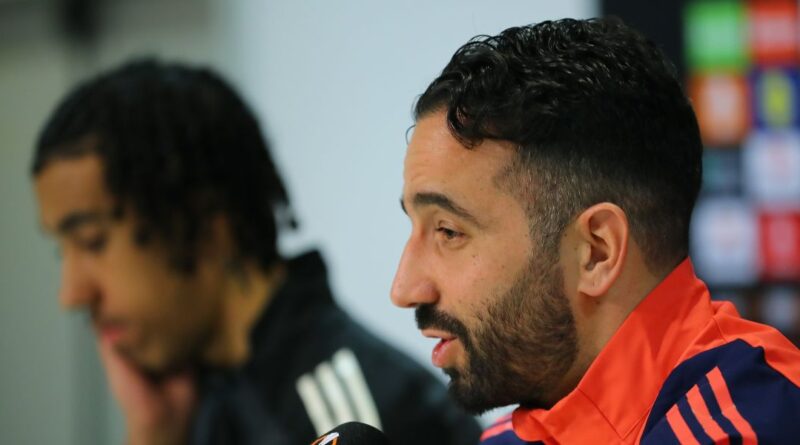
According to the Daily Mail and reporting by Dominic King, the fallout from United’s decision to dismiss head coach Ruben Amorim was swift and tightly managed. Internal messaging began circulating almost immediately, framing the move as the inevitable outcome of deeper concerns rather than a sudden change of direction.
How the narrative was shaped
According to the Daily Mail, club briefings placed emphasis on Amorim’s personality rather than purely on results. He was characterised as “emotionally immature”, with additional claims that he was “inexperienced” and “inflexible”.
Once those descriptions entered the public domain, they quickly became central to how the dismissal was discussed. Several observers viewed the language as unusually personal, raising questions about why such assessments emerged only after the decision had already been made.
Read also: Cristiano Ronaldo explains that winning the World Cup is not his ultimate dream
The effect was clear, responsibility appeared to shift away from those overseeing long term planning and toward the individual no longer in post.
Not just a Manchester United issue
This pattern is not unique to Old Trafford. At clubs such as Chelsea and Liverpool, sporting directors and executive committees exert enormous influence over recruitment, coaching appointments, and long term vision.
These roles often come with significant authority but limited visibility. When strategies fail, managers are replaced and squads reshaped, yet the figures who designed those strategies rarely face the same level of scrutiny.
According to the Daily Mail, frustration among supporters has been growing as similar cycles repeat without meaningful accountability at executive level.
Read also: Joshua retirement rumor explodes after deadly crash
Why accountability feels absent
Modern football’s governance model has concentrated power in boardrooms while insulating decision makers from public pressure. Sporting directors are hired to provide continuity, but critics argue the structure allows failures to be absorbed by managers instead.
As clubs chase success through long term “projects”, supporters are left questioning why the people overseeing repeated missteps remain untouched.
When silence speaks loudest
The Amorim episode has become another example of how narratives are managed when plans collapse. While managers answer questions and absorb criticism, those higher up often remain silent.
According to the Daily Mail’s analysis, this imbalance has become one of the defining tensions of elite football. As results continue to lag behind ambition, fans are asking a simple question, why do the most powerful figures remain the least accountable?
Read also: From Strasbourg to Stamford Bridge: Chelsea’s riskiest appointment yet
Sources: Daily Mail, Dominic King
Read also: Endrick loan deal could cost Lyon nothing