Manchester United believes it can compete for major trophies despite a significantly lower transfer outlay compared to its Premier League rivals and substantial club debt. This summer, the club spent £148 million on new players, a figure dwarfed by the investments made by several other top-flight teams.
According to BBC Sport, United remain confident that their current financial position does not prevent them from challenging for major honours, although the club are attempting to balance their sporting ambitions with the need for greater financial sustainability.
Transfer market challenges
The disparity in spending highlights a challenging landscape for United. While Chelsea and Tottenham Hotspur each invested more than £300 million this summer, and Manchester City set a record with £458 million, United’s approach was markedly different. Even newly promoted Ipswich Town reportedly outspent the Old Trafford club.
The contrast is even more striking when examining individual player acquisitions by rivals. Liverpool, for instance, fielded three players – Alexander Isak, Bradley Barcola and Florian Wirtz – in their recent victory at Ipswich, each of whom cost more than £100 million.
Read also: Kylian Mbappe had just hit top form – now Real Madrid have a problem
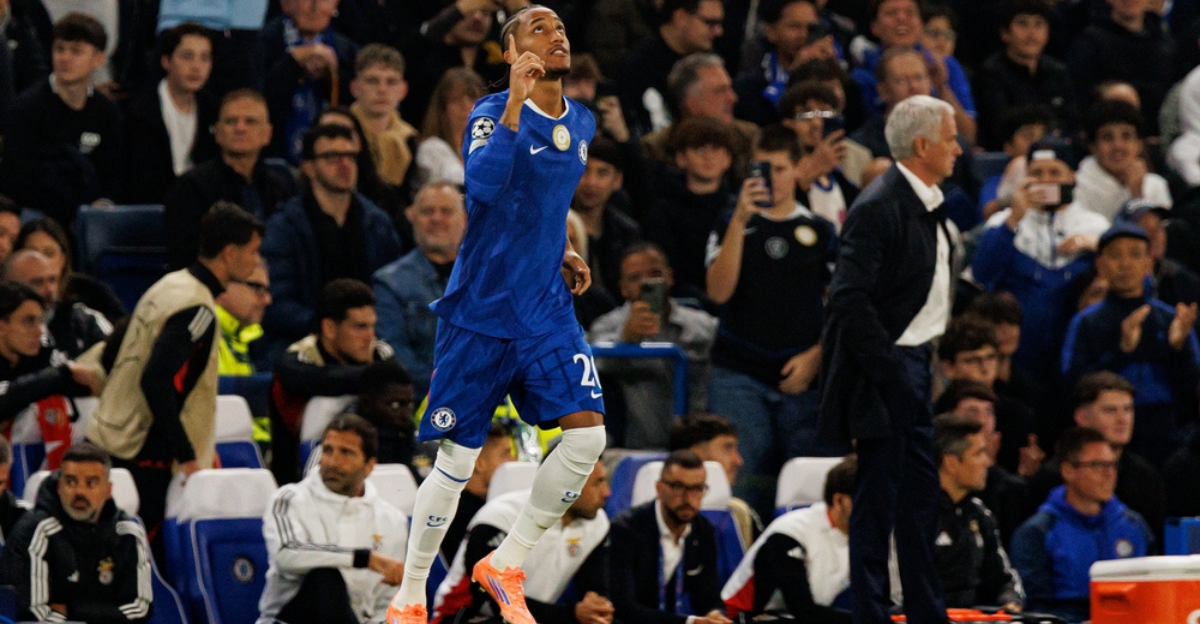
United’s most expensive signing this summer was Cameroon midfielder Carlos Baleba from Brighton, in a deal that could reach £70 million. That figure remains well below the club-record £89 million paid for Paul Pogba a decade ago.
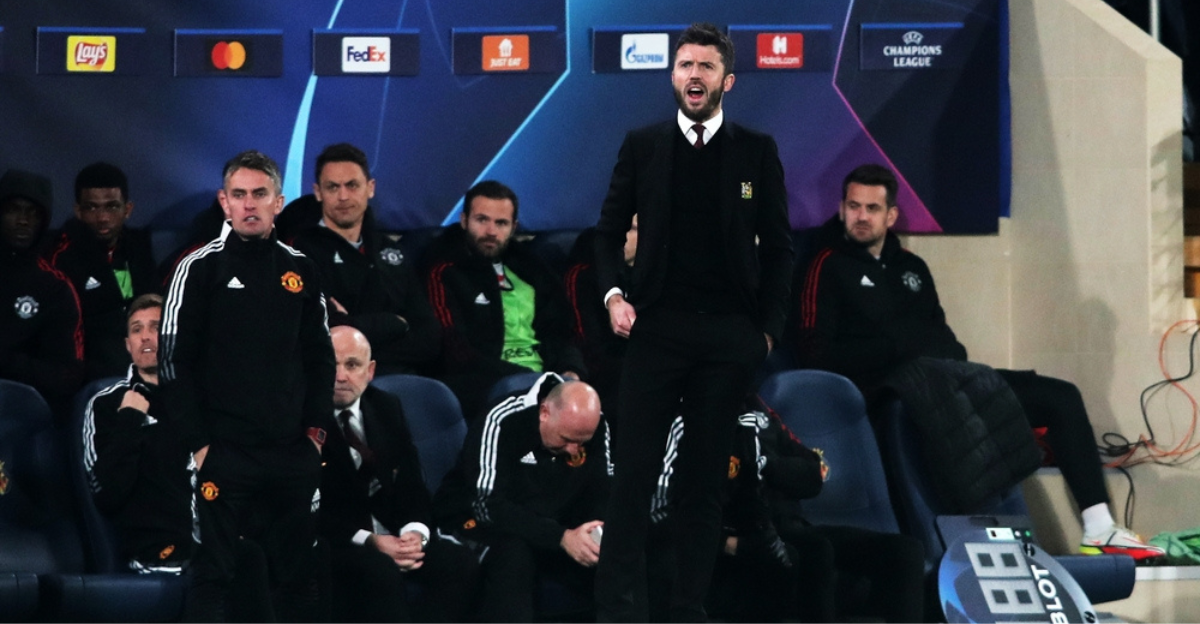
Despite those financial realities, head coach Michael Carrick told BBC Sport that he remains optimistic about the team’s potential.
“I certainly feel we can,” Carrick said when asked about United’s trophy aspirations. “The challenge is getting the right dynamics, the right balance and the right group together; getting the best players in the group to enhance the rest. Whether you need experience, or some younger players.”
Navigating significant debt
United’s transfer strategy is inextricably linked to its financial structure. As highlighted by BBC Sport, finance blogger Swiss Ramble estimated in September 2025 that the club had paid £852 million in interest alone since the Glazer family’s takeover in 2005.
Read also: Premier League boss breaks silence with damning Manchester City statement
The latest quarterly figures reveal total borrowings of £1.29 billion, including outstanding transfer fees. Furthermore, the club took on an additional £91.92 million when refinancing bonds in June, while plans for a proposed new stadium are expected to cost more than £2 billion.
Chief executive Omar Berrada addressed those financial complexities at the club’s Fans Forum on July 30, with his comments subsequently reported by BBC Sport.
“We have shown that with debt, we can not only [be] profitable, but more importantly, win trophies. And our aim is to do that again,” Berrada said.
He emphasised the need for United to establish a sustainable financial model without sacrificing their ability to compete with the Premier League’s biggest spenders.
Read also: Kasper Schmeichel finds completely new path after football retirement
“Our role as management is to be able to operate competitively with a financial structure that’s sustainable,” Berrada explained. “We also aspire to build a new stadium, but we have to do it in a way that allows us to continue being competitive.
“We need to stay very disciplined and continue to take the right decisions on the pitch and put us in a position where we can do everything, where we can sustain the debt, aspire to build a new stadium and importantly, try to win as many trophies as we can.”
Carrick’s belief in squad dynamics
Despite the financial constraints, United can point to their recent performances as evidence that success does not necessarily depend on matching their rivals pound for pound in the transfer market.
Last season, Manchester United finished third in the Premier League, notably winning 12 of Michael Carrick’s 17 games in charge. This period saw new arrivals such as Carlos Baleba, Andrey Santos from Chelsea and Youri Tielemans from Aston Villa integrate into the squad, alongside the emergence of talents such as 19-year-old forward Shea Lacey.
Read also: Andy Murray reveals one major regret about Nadal and Djokovic
Carrick’s comments to BBC Sport suggest he believes assembling the right blend of experience, youth and quality is more important than simply spending the largest amount in the transfer market.
United’s full-year accounts to June 30 are expected to be published in the coming weeks and should provide further insight into the club’s financial health. For now, the message from Old Trafford is clear: despite substantial borrowings, comparatively restrained transfer spending and the enormous potential cost of a new stadium, United believe they can remain financially sustainable while competing for the biggest trophies.
Read also: Manchester United told to ‘nick’ two Man City stars if relegation hits