Mo Salah uncovered: The character, conflict and career behind the controversy
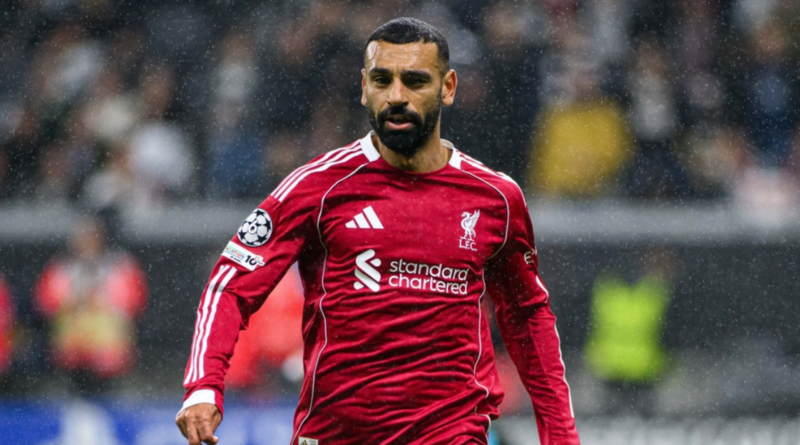
Liverpool’s recent dip in form has pushed Mohamed Salah into an awkward spotlight, with his comments about feeling scapegoated prompting a familiar round of hand-wringing among fans. But the debate over whether he has slipped from prominence tells only a fraction of the story.
The people who have watched him grow on muddy local pitches in Egypt, in European locker rooms, and under the glare of Anfield describe a figure defined less by controversy and more by long-held habits of discipline and self-belief.
In recent months, BBC Sport spoke with former managers, team-mates and community leaders to understand the man behind the headlines.
Relentless expectations mostly directed at himself
According to BBC Sport’s interview with Jurgen Klopp, the former Liverpool manager still sees in Salah the mindset of someone who learned early that success required outworking everyone else.
Read also: Inter Miami target Argentine star in €15m transfer move
Klopp described how “Mo knew early on that he had to do more than others,” and said that every preseason felt like the unveiling of a new version of the forward one with a new skill or sharper edge.
Klopp acknowledged, almost with a smile, that Salah became difficult only when left out of the team. But the foundation of their relationship, he said, was built on shared drive and the moment “lifting the Premier League” together an experience Klopp believes bonded them permanently.
The criticism Salah receives for staying silent after tough defeats has long puzzled those who worked closest with him. Former Liverpool midfielder Adam Lallana told the BBC that the perception of emotional distance misses the point.
He remembered a team-mate who “remained completely focused on the job in hand” and whose calm professionalism steadied a dressing room rather than leaving it rudderless. “He would always be trying to prove someone wrong,” Lallana added.
Read also: Egypt wants Fifa to cancel World Cup pride match in Seattle
A competitive urge that never switches off
When Salah defended his record at Elland Road, he was reiterating what those inside Liverpool have always known: he expects greatness from himself every season, every match.
Speaking to BBC Sport, James Milner said Salah “plays as if he has a chip on his shoulder,” the kind of athlete who once hired a chess coach simply to sharpen decision-making.
Tension with Sadio Mané occasionally spilled into public view, yet Klopp told the BBC the pair understood their roles and ultimately pulled toward the same objectives. “When it mattered,” he said, “they backed each other.”
A life anchored in nagrig and in faith
Salah’s sporting influence is only part of his story. In his home village of Nagrig, about 100 miles north of Cairo, he is not merely a football hero but a symbol of what is possible.
Read also: Real Madrid sources clarify Xabi Alonso’s future after Man City defeat
Maher Anwar Shtiyeh, the village’s mayor, told BBC Sport that despite fame, Salah remains “deeply tied to his roots,” funding an ambulance station, a religious institute and other community projects.
Former Egypt international Ahmed Elmohamady, reflecting on Liverpool’s star in another BBC interview, recalled the exhausting bus rides the young Salah took to reach youth training in Cairo hours spent on the road that hardened his resilience before Europe ever entered the picture.
Even in Liverpool, that grounding was visible. Shafique Rahman, Imam at Liverpool Mosque, said Salah would slip quietly into evening prayers after training. The anonymity of worship, Rahman noted, seemed to give him respite from being one of the most recognizable faces in world football.
Hard lessons in England, reinvention in Italy
Salah’s early Premier League struggles remain a part of his legend. Mark Schwarzer, his former Chelsea team-mate, told BBC Sport the young winger arrived “very innocent” and often seemed overwhelmed by both the dressing-room hierarchy and the expectations of English football. It wasn’t until he left London that the transformation began.
Read also: Haaland comes for Carragher over Salah remarks in live CBS interview
In Italy, with Fiorentina and later Roma, he rebuilt everything confidence, consistency, and leadership. Micah Richards and Mido, speaking separately to the BBC, said Salah emerged in Serie A as a model professional whose lifestyle, discipline and performances helped younger African players imagine a place for themselves in Europe without compromising who they were.
A future to be determined, but an impact that will outlast it
Liverpool are now open-minded about a potential sale, according to BBC Sport reporting, a stance that has accelerated speculation around Salah’s long-term place under Arne Slot. Inside the club, the uncertainty has stirred echoes of past departures where beloved figures left under strain rather than celebration.
But for those who played with him, the legacy is already secure. Luis Díaz who left Liverpool for Bayern Munich earlier this year told BBC Sport that Salah’s kindness eased his transition from Portugal to England.
On Díaz’s first days at Melwood, Salah approached him: “If you ever need my help, I’m here for you.” That spirit extended onto the pitch, where Salah would suggest movements that “would work in the match,” advice Díaz said stayed with him long after.
Read also: U.S. considers social-media screening for 2026 World Cup tourists under Trump plan
And perhaps that is where the current debate feels oddly small. The question of whether Salah starts every match, or whether his role is shifting, sits alongside a much longer story one shaped by the streets of Nagrig, the scrutiny of London, the rebirth in Italy, and the expectation-laden years at Anfield.
For now, his future remains a negotiation. His influence, though, is not.
Sources: BBC Sport