Some fans attending the 2026 FIFA World Cup in the United States may have to adjust their pre-match routines, as several host venues consider limits on traditional tailgating.
The practice where supporters gather in stadium parking lots for food, drinks and socializing before games is a defining part of American sports culture. But it may not feature as prominently during the World Cup as many had anticipated.
Instead, early planning suggests a more controlled matchday environment, shaped by security considerations and the logistical demands of hosting a global tournament.
Restrictions vary by stadium
According to talkSPORT, multiple venues are expected to restrict or ban tailgating altogether. Stadiums mentioned include Arrowhead Stadium in Kansas City, Gillette Stadium in Massachusetts and Lincoln Financial Field in Philadelphia.
Read also: Kimi Antonelli issues warning to George Russell with Mercedes vow
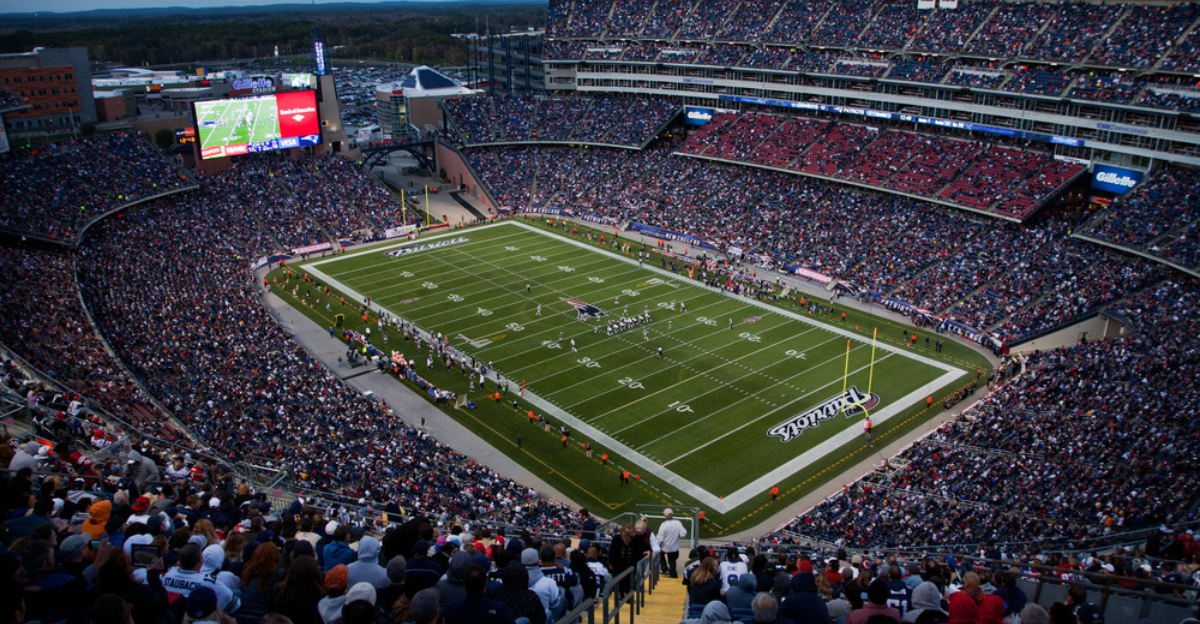
At Gillette Stadium set to be temporarily renamed “Boston Stadium” for the tournament organizers have already made their position clear. A notice on the venue’s website states: “Please note that the traditional ‘tailgating’ (eating and drinking around parked cars) is not permitted for these events per FIFA policy.”
Other host cities appear to be taking a similar approach, though policies may differ depending on local regulations.
Shift toward public transport
In the New York/New Jersey area, planning is focused less on parking and more on moving large crowds efficiently. Organizers at MetLife Stadium are encouraging fans to rely on public transit rather than driving.
“While rideshare and limited premium parking options will be available, the FIFA World Cup at NYNJ Stadium will largely rely on public transportation,” spokesperson Natalie Hamilton said, according to USA Today.
Read also: Botev Plovdiv president shot in the head after Bulgaria’s Nations League tie
The emphasis on transit reflects broader efforts to manage congestion and ensure access for international visitors unfamiliar with suburban US stadium layouts.
FIFA: no blanket ban
Reports of a widespread prohibition gained traction after DW Sports highlighted the issue on social media, pointing to the cultural importance of tailgating and the car-dependent nature of many US venues.
FIFA, however, has clarified that no universal rule is in place.
“FIFA does not have a formal policy that restricts tailgating (eating and drinking around parked cars in stadium areas),” a spokesperson said. “However, site-specific restrictions may be imposed in alignment with host city public safety authorities in certain venues based on local regulations.”
Read also: Gyokeres says bloody socks is normal procedure
The governing body added that further guidance for fans will be released closer to the tournament.
Balancing culture and logistics
The evolving approach highlights a potential cultural adjustment for both local and international fans. While tailgating has long been part of the American matchday experience, World Cup organizers appear to be prioritizing consistency, safety and transport efficiency across host cities.
How supporters respond and whether alternative fan experiences emerge could shape the atmosphere around stadiums next summer.
Sources: talkSPORT, USA Today, DW Sports
Read also: John Stones has been convicted: “Nothing to say”
Read also: Enzo Maresca breaks silence after Man City guilty verdict with cryptic message