Trump tensions drag football into calls for a World Cup boycott
Political backdrop fuels concern
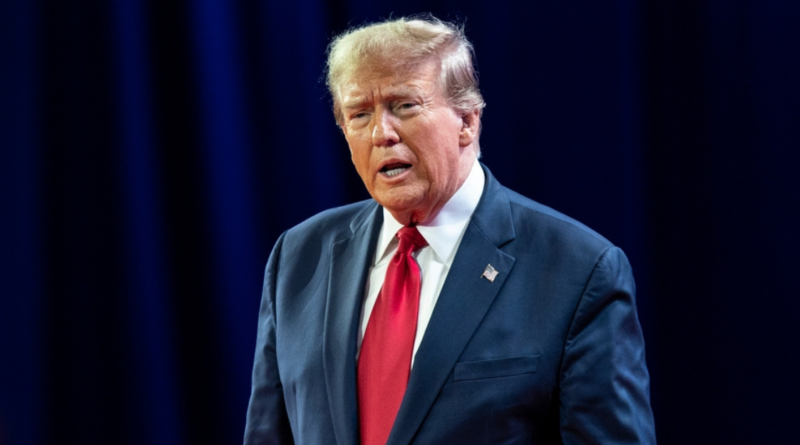
Calls for a potential boycott of the 2026 World Cup have emerged amid escalating diplomatic tensions involving the United States, one of the tournament’s host nations. The controversy centres on actions taken and statements made by US President Donald Trump, which critics argue risk undermining the smooth staging of the competition.
According to reporting by The Mirror, concerns intensified after the introduction of US travel bans and stricter visa rules, measures that could complicate entry for players, officials and supporters from certain countries. Those worries have been compounded by Trump’s recent comments regarding Greenland, a Danish territory he has publicly expressed interest in acquiring, alongside warnings of tariffs against European nations opposing the move.
Westminster pressure builds
The issue reached the House of Commons earlier this week, where former Conservative minister Simon Hoare urged the UK government to consider a tougher response. Speaking during a parliamentary debate, Hoare argued that high profile diplomatic and sporting events could be used to apply pressure on the US administration.
“He is thin skinned, he has an ego and he doesn't like to be embarrassed,” Hoare said, according to The Mirror, before questioning whether UK participation in events hosted by the US should continue unchanged.
Read also: Why Chelsea’s defence still isn’t settled
Liberal Democrat MP Luke Taylor echoed that position, calling on Prime Minister Keir Starmer to consider both diplomatic and sporting consequences. Taylor suggested that withdrawing symbolic support, including participation in the World Cup, could send a stronger message to Washington.
Football caught in the crossfire
On the pitch, England are scheduled to face Croatia, Panama and Ghana at the tournament, while Scotland are set to return to the World Cup stage for the first time in nearly 30 years, with a high profile fixture against Brazil among their group matches.
While no formal action has been taken by football authorities, the debate has extended beyond the UK. According to previous comments reported by German media, Bundestag member Jurgen Hardt has described a World Cup boycott as a possible last resort if diplomatic tensions linked to Greenland continue to escalate.
Media figures have also weighed in. British broadcaster Piers Morgan wrote on X that several major European nations could consider pausing their participation while trade and tariff disputes with the US remain unresolved.
Read also: World cup 2026 could look very different after major rule shake up
Wider implications for the tournament
Although a coordinated boycott remains highly unlikely, the discussion highlights how international football can become entangled in broader geopolitical disputes. With FIFA relying on cooperation between host nations and participating countries, prolonged diplomatic strain could place organisers under increased scrutiny in the run up to 2026.
For now, England and Scotland remain on course to compete, but the growing political noise underscores the challenges of staging a global sporting event in an increasingly divided political climate.
Sources: GiveMeSport, The Mirror
Read also: Lucas Hernandéz acused of human trafficking in France
Read also: Inter quietly test waters for Martínez switch as summer window looms