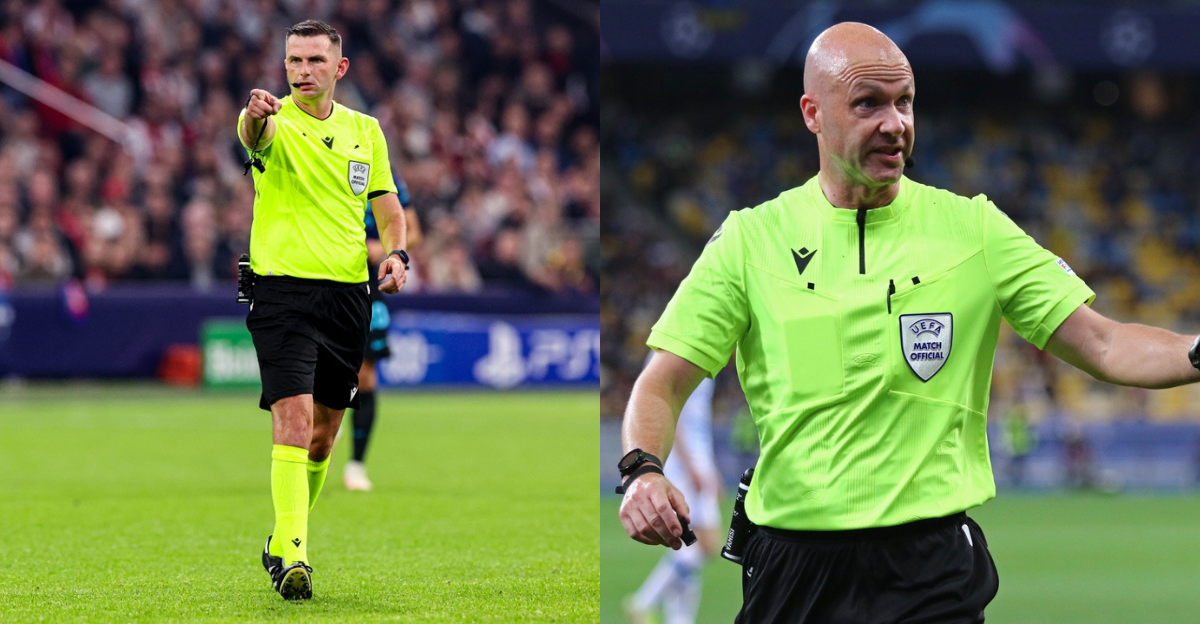
English referees Michael Oliver and Anthony Taylor are currently officiating at the World Cup, but their appointments come with a unique set of political restrictions. Both officials are barred from taking charge of matches involving their home nation, England, a standard FIFA protocol. However, they are also prohibited from overseeing any game featuring Argentina, a ban rooted in the enduring political sensitivities stemming from the 1982 Falklands War.
This dual prohibition has significant implications for their careers on football’s biggest stage. All referees at the World Cup are typically prevented from officiating matches that directly involve their own nation’s pathway, meaning Oliver and Taylor were never considered for games in England’s Group L, including fixtures between Croatia, Ghana, and Panama.
Oliver’s recovery and record-breaking appointment
Michael Oliver initially faced a setback at the tournament, having to withdraw from his first scheduled appointment between Ivory Coast and Ecuador due to injury. He has since made a full recovery and is now set to take charge of Spain’s quarter-final clash against Belgium. This upcoming match will mark Oliver’s seventh World Cup appearance, a record for any English referee, highlighting his standing in the global officiating community despite the existing restrictions.
Taylor’s Qatar 2022 final near-miss
The political ban’s impact was starkly illustrated at the Qatar 2022 World Cup. Anthony Taylor, widely considered a strong candidate to officiate the final, was ultimately unable to do so when Argentina advanced to meet France. The Athletic reported that this exclusion was directly due to the political reasons relating to the 1982 Falklands War between the United Kingdom and Argentina, preventing him from overseeing a match involving the South American nation. This historical context continues to shape referee selections at the highest levels of international football.
Read also: Harry Kane breaks silence on Man City verdict
Looking ahead, both Oliver and Taylor are considered unlikely to be selected to cover the 2026 World Cup final. Their consideration for the tournament decider would only become a possibility if Norway, who are set to play England in Saturday’s last-eight tie, or Switzerland, who face Argentina, manage to advance to the final.
The 1982 Falklands War, a conflict lasting 74 days, concluded with an Argentine surrender and the islands returning to British control. The conflict resulted in the deaths of 649 members of the Argentine military, 255 members of the British military, and three Falkland Islanders. Despite decades passing, the subject remains highly contentious in Argentina, with current Argentine president Javier Milei consistently reaffirming his belief in Argentine sovereignty over the territories. This deeply rooted political history continues to cast a long shadow over seemingly unrelated sporting events.
Read also: Phil Taylor comes out of retirement for stunning darts return