Scoring goals at the FIFA World Cup is the ultimate measure of a striker’s greatness. Every four years, the world’s finest attackers compete not only for football’s biggest prize but also for the Golden Boot, awarded to the tournament’s top scorer. Over the decades, the award has been won by legendary names who produced unforgettable performances on the biggest stage. From the very first World Cup in 1930 to the most recent tournament in Qatar, here are every Golden Boot winner in chronological order.
1930 – Guillermo Stábile (Argentina, 8 Goals)
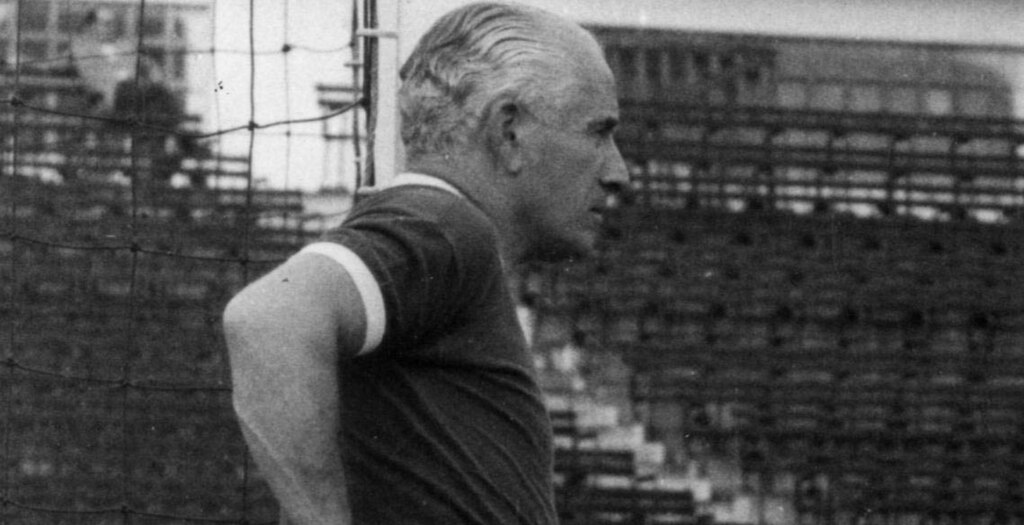
Guillermo Stábile became the first player in history to win the World Cup Golden Boot after a sensational debut tournament in Uruguay. The Argentine striker scored eight goals in just four appearances, including two braces and a hat-trick, despite missing his country’s opening match. His goals powered Argentina all the way to the inaugural World Cup final, where they were narrowly beaten 4-2 by hosts Uruguay. Although he missed out on lifting the trophy, Stábile secured his place in football history as the competition’s first great goalscorer.
1934 – Oldřich Nejedlý (Czechoslovakia, 5 Goals)
Oldřich Nejedlý starred for Czechoslovakia at the 1934 World Cup and finished as the tournament’s leading scorer with five goals. Interestingly, he was originally credited with only four goals and shared the award before FIFA officially awarded him another decades later. His clinical finishing helped guide Czechoslovakia to the final against Italy, where they suffered a heartbreaking extra-time defeat. Even so, Nejedlý’s performances remain among the finest in his nation’s football history.
1938 – Leônidas (Brazil, 7 Goals)
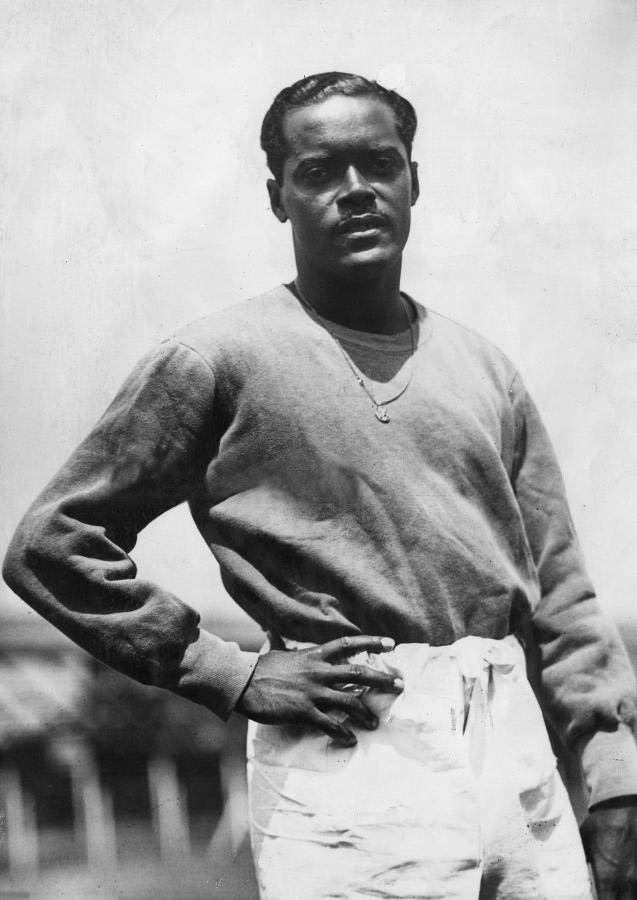
Known as the ‘Black Diamond,’ Leônidas dazzled supporters with his flair and goalscoring ability in France. He scored seven times, including a memorable hat-trick against Poland and two more goals in Brazil’s third-place playoff victory. An injury ruled him out of the semi-final, where Brazil were eliminated by Italy, leaving many to wonder what might have happened had he played. His exploits nevertheless earned him the Golden Boot and worldwide recognition.
Read also: Serena Williams' Wimbledon comeback begins against young Australian Maya Joint
1950 – Ademir (Brazil, 9 Goals)
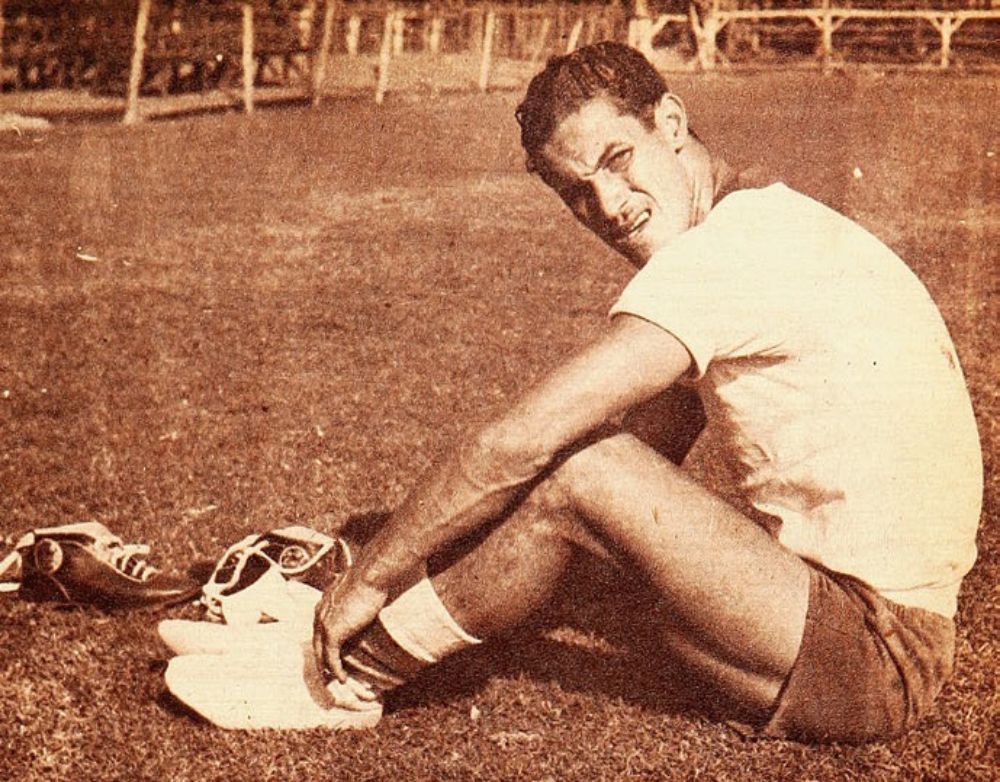
After World War II delayed the tournament for 12 years, Ademir announced Brazil’s return to the global stage with a remarkable nine-goal campaign. He formed part of one of the most exciting attacks in World Cup history and finished comfortably as the tournament’s leading scorer. Despite his individual brilliance, Brazil suffered the famous ‘Maracanazo’ defeat to Uruguay in the decisive final-stage match. It remains one of the greatest personal performances never to end with a World Cup winners’ medal.
1954 – Sándor Kocsis (Hungary, 11 Goals)
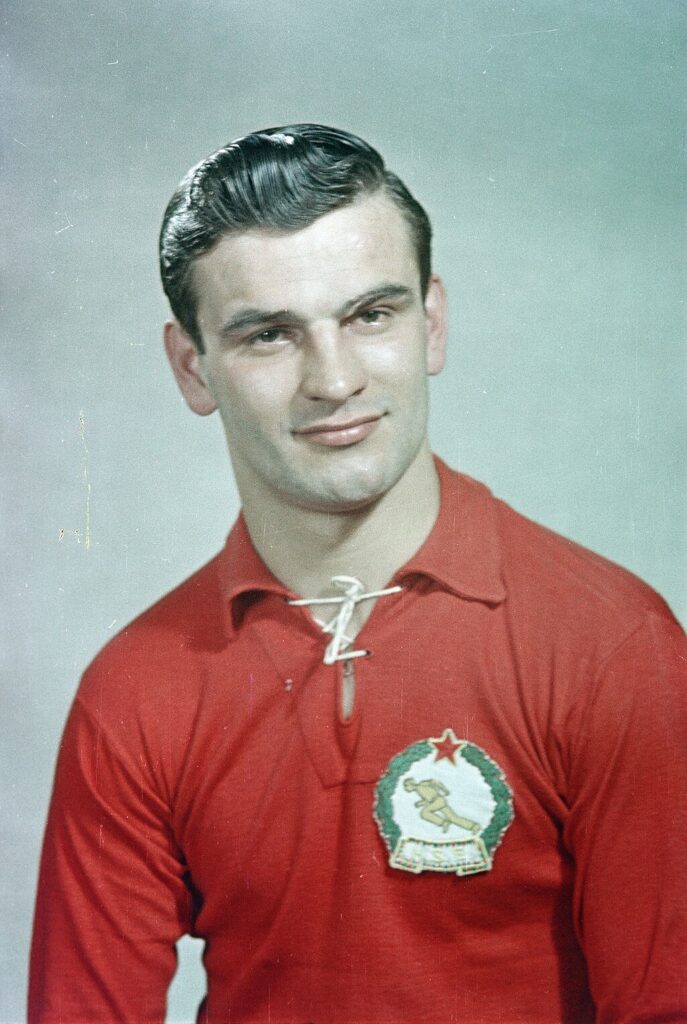
Sándor Kocsis produced one of the most prolific World Cup campaigns ever seen by scoring 11 goals in only five matches. The Hungarian striker became the first player to score two hat-tricks at a single World Cup and averaged more than two goals per game. Hungary entered the final as overwhelming favourites but suffered a stunning defeat to West Germany in the ‘Miracle of Bern.’ Even without the trophy, Kocsis set a new benchmark for World Cup goalscoring excellence.
1958 – Just Fontaine (France, 13 Goals)

Just Fontaine delivered what remains the greatest individual goalscoring campaign in World Cup history. The French forward scored an astonishing 13 goals in just six matches, a record that still stands today. He found the net in every game, including four goals against West Germany in the third-place playoff. Although France did not reach the final, Fontaine’s incredible achievement has never been matched.
1962 – Multiple Winners (Florian Albert, Valentin Ivanov, Garrincha, Leonel Sánchez, Dražan Jerković and Vavá – 4 Goals)
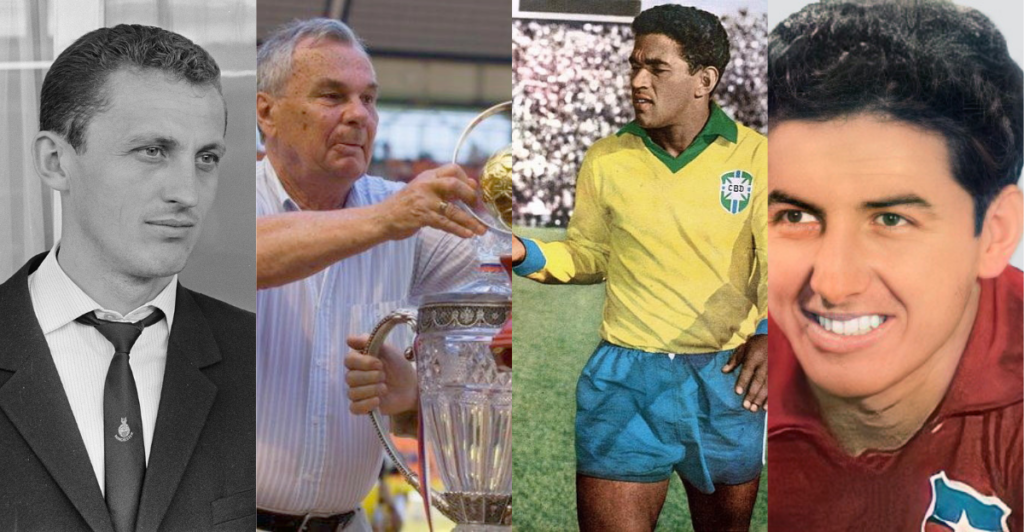
The 1962 World Cup produced one of the most unusual Golden Boot races in history, with six players finishing level on four goals. Hungary’s Florian Albert and the Soviet Union’s Valentin Ivanov reached that total despite playing fewer matches than the others, while Garrincha and Vavá helped Brazil successfully defend their world title. Chile’s Leonel Sánchez thrilled home supporters as the hosts finished third, while Yugoslavia’s Dražan Jerković also shared the honour. It remains the only World Cup where six different players were crowned joint Golden Boot winners.
Read also: Suárez explains why he prefers Kane over Haaland
1966 – Eusébio (Portugal, 9 Goals)
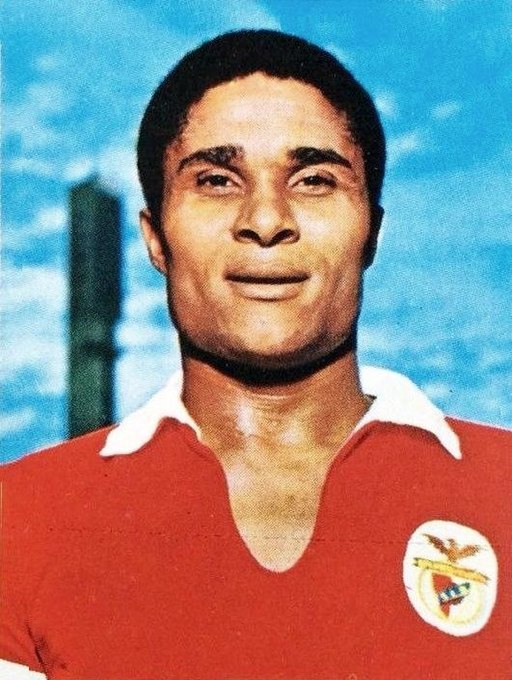
Eusébio announced Portugal as a major force in world football with an unforgettable tournament in England. The Benfica legend scored nine goals, including four in a dramatic quarter-final comeback against North Korea after Portugal had fallen 3-0 behind. His pace, power and lethal finishing made him virtually unstoppable throughout the competition. Although Portugal were beaten by eventual champions England in the semi-finals, Eusébio deservedly finished as the tournament’s top scorer.
1970 – Gerd Müller (West Germany, 10 Goals)

Gerd Müller once again proved why he was known as ‘Der Bomber’ by scoring 10 goals at the 1970 World Cup in Mexico. The prolific striker registered consecutive hat-tricks against Bulgaria and Peru before continuing his scoring streak in the knockout rounds. His instinctive finishing kept West Germany in contention until they lost a classic semi-final against Italy after extra time. Müller ended the tournament with the Golden Boot and further enhanced his reputation as one of football’s greatest goalscorers.
1974 – Grzegorz Lato (Poland, 7 Goals)
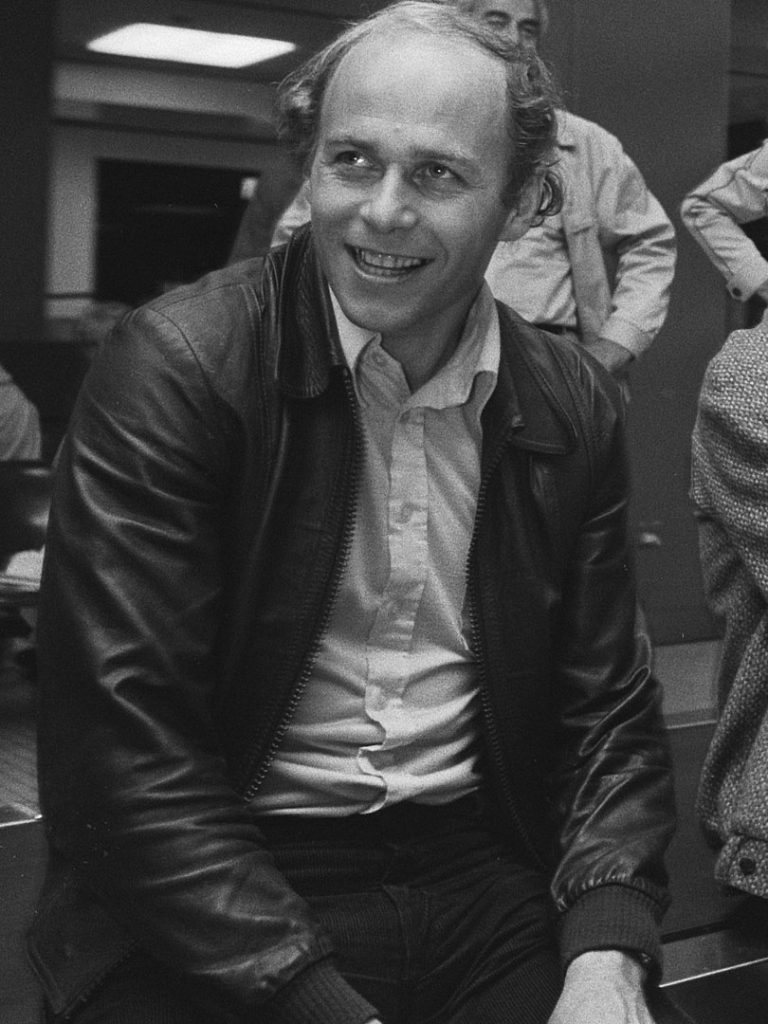
Grzegorz Lato inspired Poland to one of the greatest achievements in the country’s football history by finishing as the World Cup’s leading scorer. His seven goals were crucial as Poland claimed third place, their best-ever finish at the tournament at the time. Lato combined pace with clinical finishing and capped his campaign by scoring the winner against Brazil in the third-place play-off. His performances remain among the finest ever produced by a Polish footballer.
1978 – Mario Kempes (Argentina, 6 Goals)
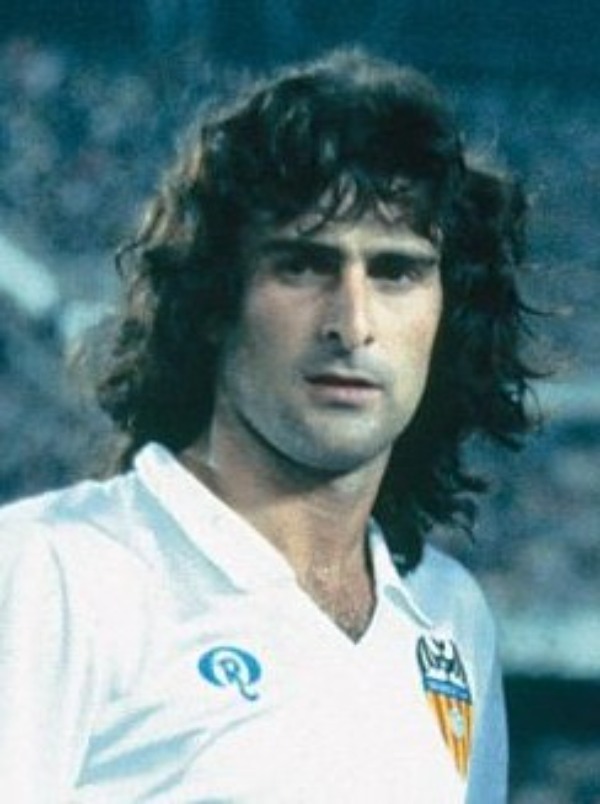
Mario Kempes saved his best football for the knockout stages as Argentina lifted the World Cup on home soil. After a quiet group phase, he exploded into life by scoring braces against Poland, Peru and the Netherlands in the final. His two goals in the showpiece helped Argentina secure their first-ever world title in front of a jubilant home crowd. Kempes finished with six goals and was widely regarded as the tournament’s outstanding player.
Read also: Arsenal's Guimaraes pursuit hits snag as Newcastle dismisses initial offer
1982 – Paolo Rossi (Italy, 6 Goals)
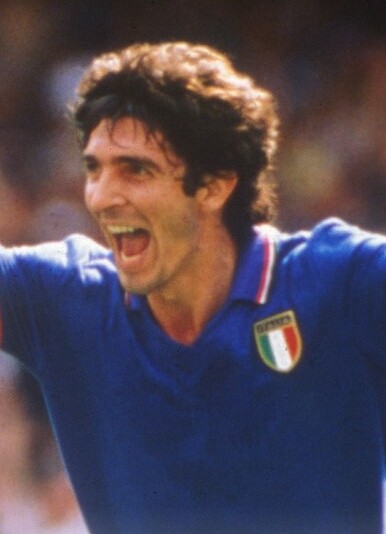
Paolo Rossi completed one of football’s greatest redemption stories at the World Cup in Spain. Having recently returned from a suspension, the Italian striker found his best form at exactly the right moment, scoring six goals as Italy marched to the title. His memorable hat-trick against Brazil remains one of the defining performances in World Cup history. Rossi finished the year by winning the Golden Boot, the Golden Ball and the Ballon d’Or after leading Italy to glory.
1986 – Gary Lineker (England, 6 Goals)
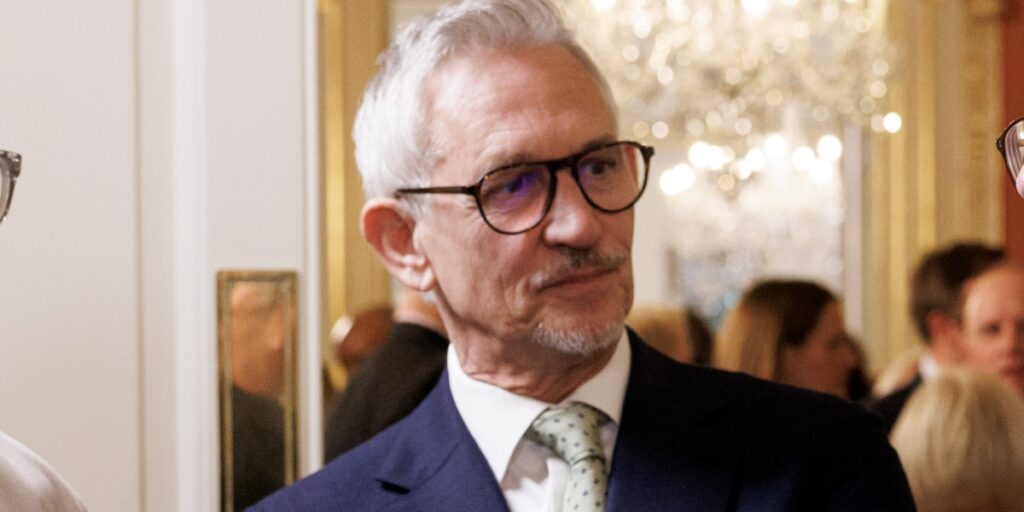
Gary Lineker became England’s first Golden Boot winner with a superb goalscoring display in Mexico. He scored six times, including a brilliant hat-trick against Poland, and consistently carried England’s attacking threat throughout the tournament. His efforts helped the Three Lions reach the quarter-finals before they were eliminated by Diego Maradona’s Argentina. Although England fell short of the trophy, Lineker left Mexico as the competition’s most clinical finisher.
1990 – Salvatore Schillaci (Italy, 6 Goals)
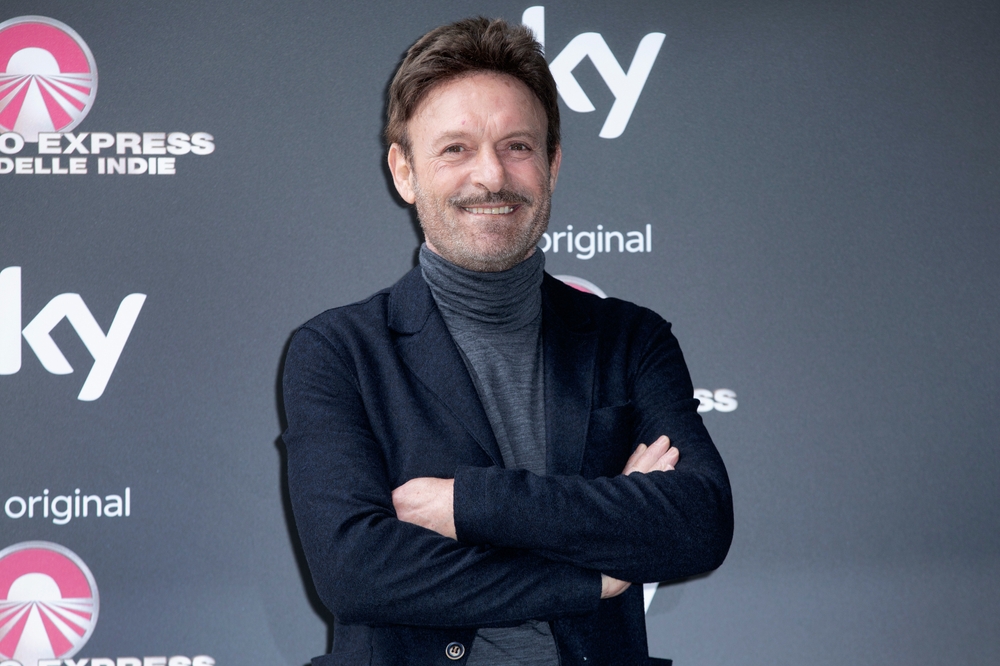
Salvatore Schillaci was the surprise star of the 1990 World Cup after beginning the tournament on the bench. The Italian forward seized every opportunity that came his way, scoring six goals to finish as the competition’s leading marksman. His energetic displays and eye for goal helped Italy reach the semi-finals before they eventually settled for third place. Schillaci became a national hero overnight and his remarkable rise remains one of the greatest Cinderella stories in World Cup history.
1994 – Oleg Salenko and Hristo Stoichkov (6 Goals)
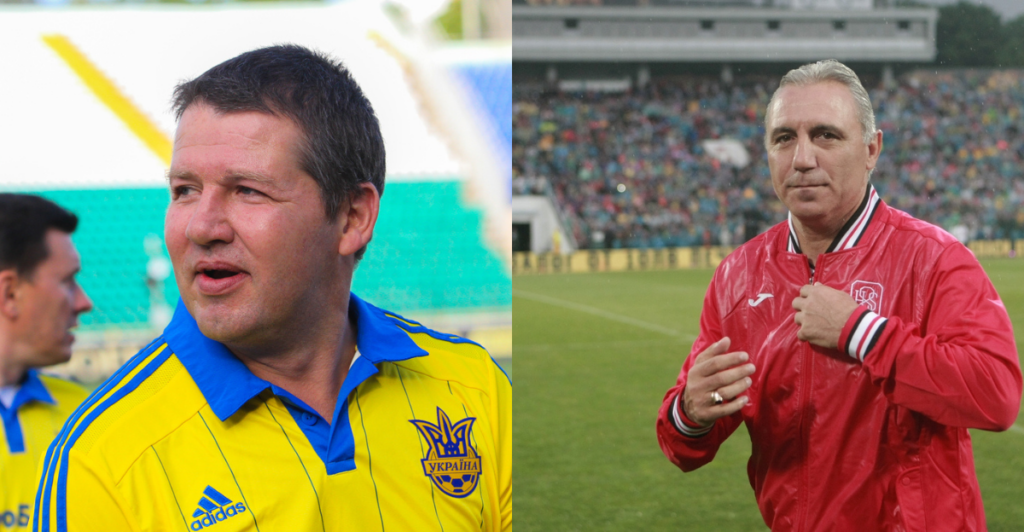
The 1994 Golden Boot was shared by two players whose tournaments could hardly have been more different. Oleg Salenko scored all six of his goals in just three matches, including an incredible five-goal haul against Cameroon that still stands as a World Cup record for a single game. Hristo Stoichkov, meanwhile, inspired Bulgaria on an unforgettable run to the semi-finals with a series of decisive goals. Both players finished level at the top of the scoring charts and shared the award after outstanding campaigns.
Read also: Real Madrid wanna build around Mbappé: 'Have they learned nothing from PSG?'
1998 – Davor Šuker (Croatia, 6 Goals)
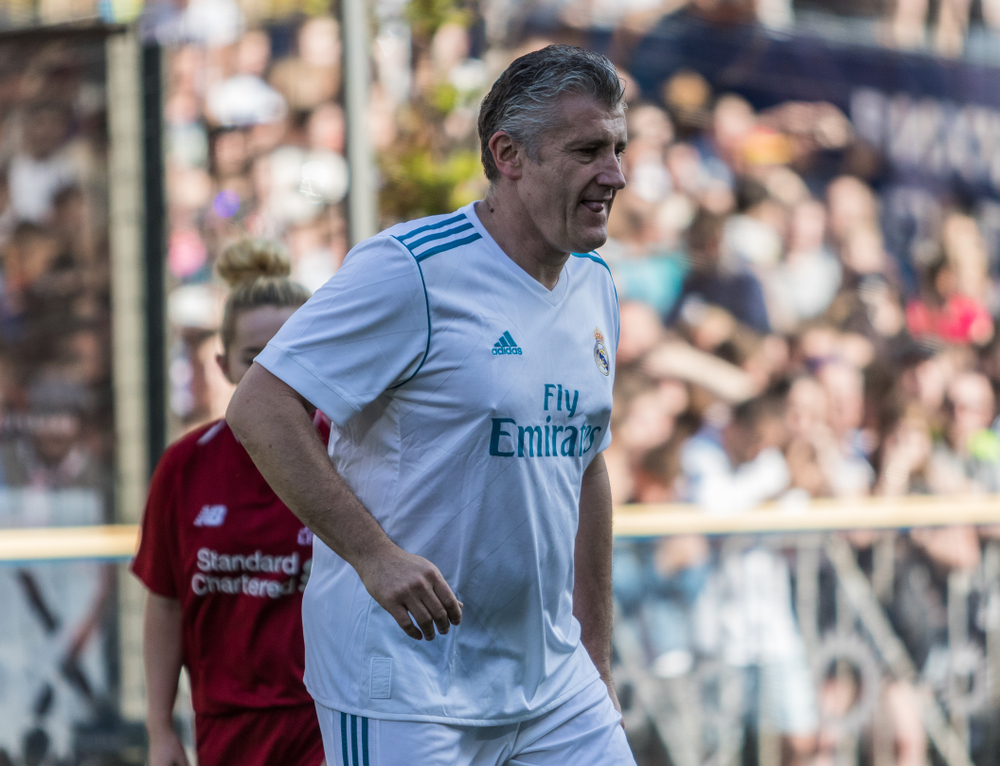
Davor Šuker played a leading role as Croatia enjoyed a dream debut at the World Cup. The elegant striker scored six goals, including the winner in the third-place play-off against the Netherlands, as Croatia exceeded every expectation by finishing third. Šuker’s movement, composure and finishing made him one of the standout performers of the tournament in France. His Golden Boot remains one of the greatest achievements in Croatian football history.
2002 – Ronaldo (Brazil, 8 Goals)

After recovering from serious knee injuries, Ronaldo completed one of football’s greatest comeback stories at the 2002 World Cup. The Brazilian striker scored eight goals, including both in the final against Germany, to lead his country to a record fifth World Cup title. Alongside Rivaldo and Ronaldinho, he formed one of the most feared attacking trios ever seen at the tournament. Ronaldo’s performances confirmed his return to the top of world football and secured him another Ballon d’Or later that year.
2006 – Miroslav Klose (Germany, 5 Goals)
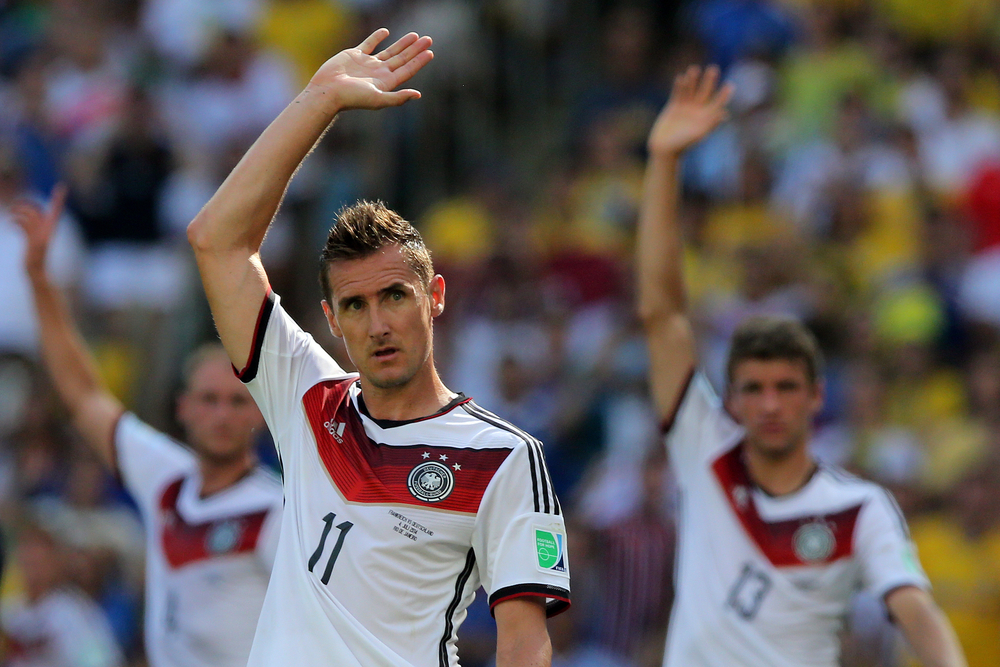
Miroslav Klose continued his remarkable World Cup goalscoring record by winning the Golden Boot on home soil in 2006. The German striker scored five goals, displaying the intelligent movement and clinical finishing that defined his international career. His efforts helped Germany reach the semi-finals before they eventually claimed third place. Klose would later become the all-time leading scorer in World Cup history, making this Golden Boot another milestone in an extraordinary career.
2010 – Thomas Müller (Germany, 5 Goals)
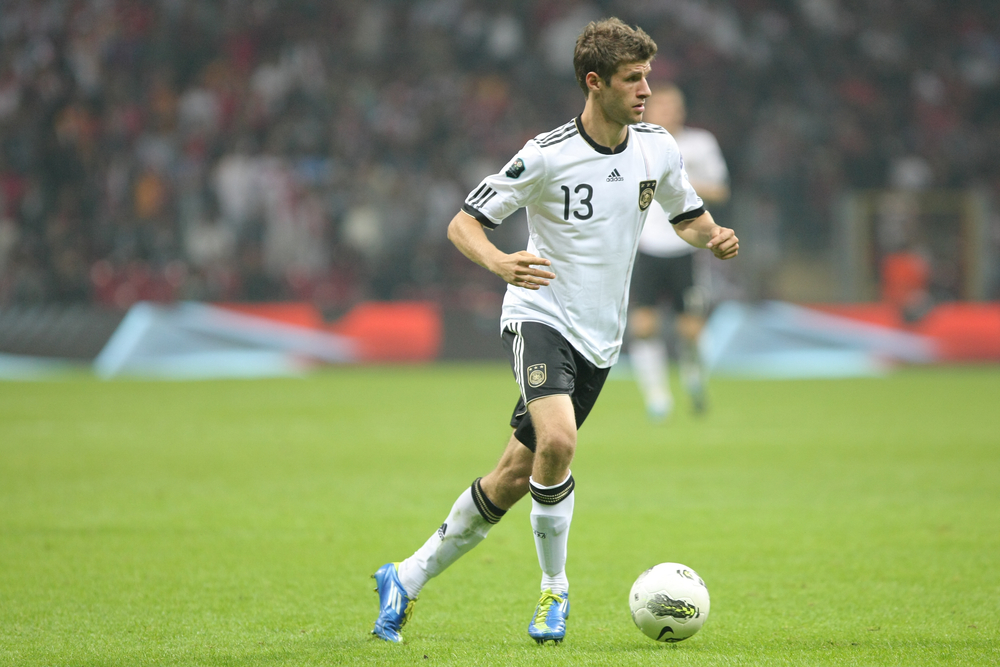
Thomas Müller announced himself on the world stage with a sensational breakthrough tournament in South Africa. The German forward finished level on five goals with David Villa, Wesley Sneijder and Diego Forlán, but won the Golden Boot thanks to his three assists, the most among the tied players. His intelligent movement, versatility and composure in front of goal made him one of Germany’s standout performers as they claimed third place. Müller also picked up the Best Young Player award, completing a dream first World Cup.
Read also: Nate Diaz names his toughest opponent ever
2014 – James Rodríguez (Colombia, 6 Goals)
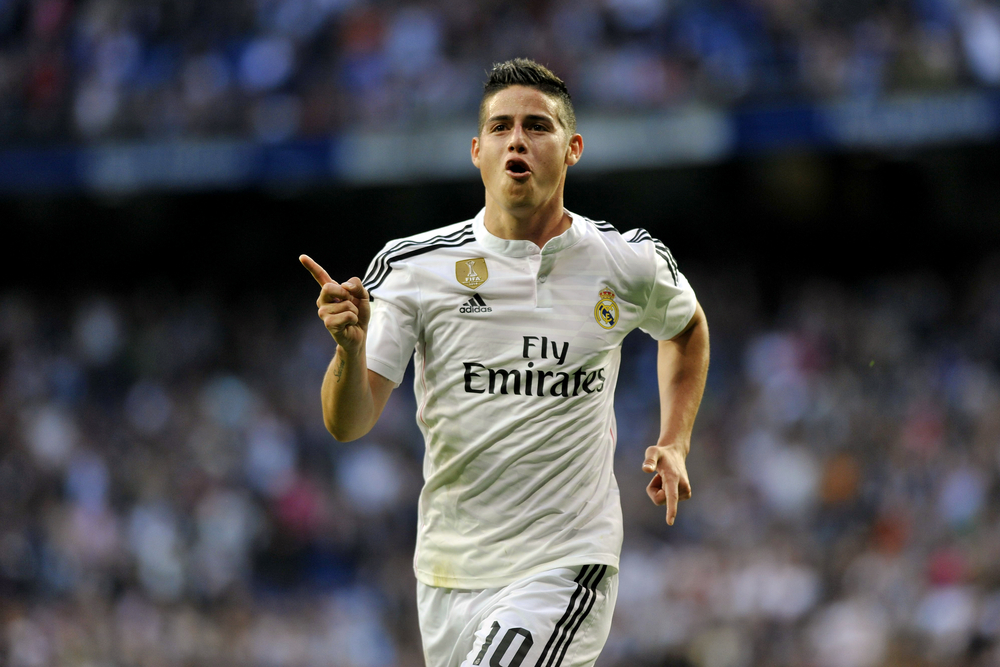
James Rodríguez became one of the stars of the 2014 World Cup despite Colombia being eliminated in the quarter-finals. The attacking midfielder scored six goals in just five matches, finding the net in every game he played. His stunning chest control and volley against Uruguay was voted the FIFA Puskás Award winner and remains one of the greatest World Cup goals ever scored. Rodríguez’s performances earned him the Golden Boot and secured a high-profile move to Real Madrid shortly after the tournament.
2018 – Harry Kane (England, 6 Goals)
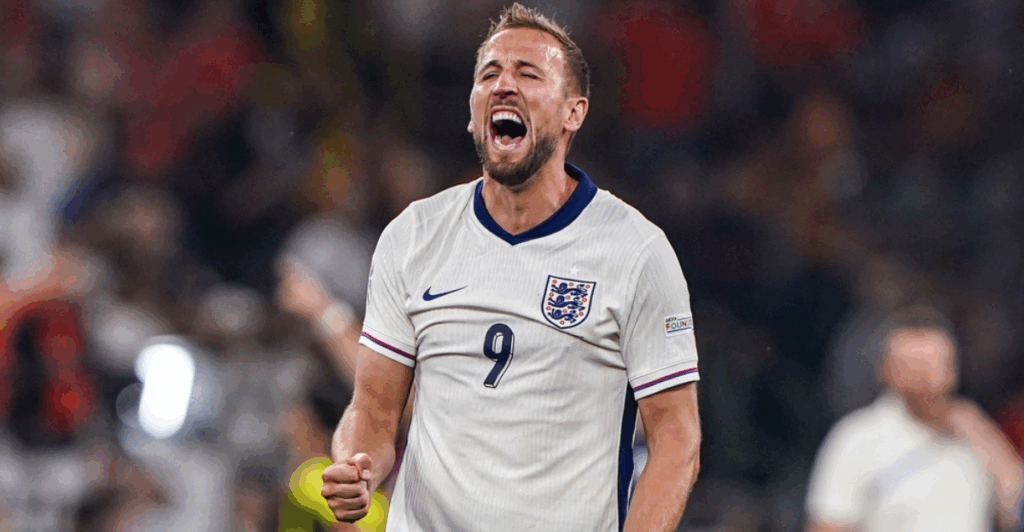
Harry Kane ended England’s long wait for another World Cup Golden Boot by finishing as the tournament’s top scorer in Russia. The Tottenham striker scored six goals, including a hat-trick against Panama and two crucial strikes against Tunisia in the group stage. As England captain, he led Gareth Southgate’s young side to their first World Cup semi-final in 28 years. Kane’s consistency throughout the tournament underlined his reputation as one of the world’s most reliable goalscorers.
2022 – Kylian Mbappé (France, 8 Goals)
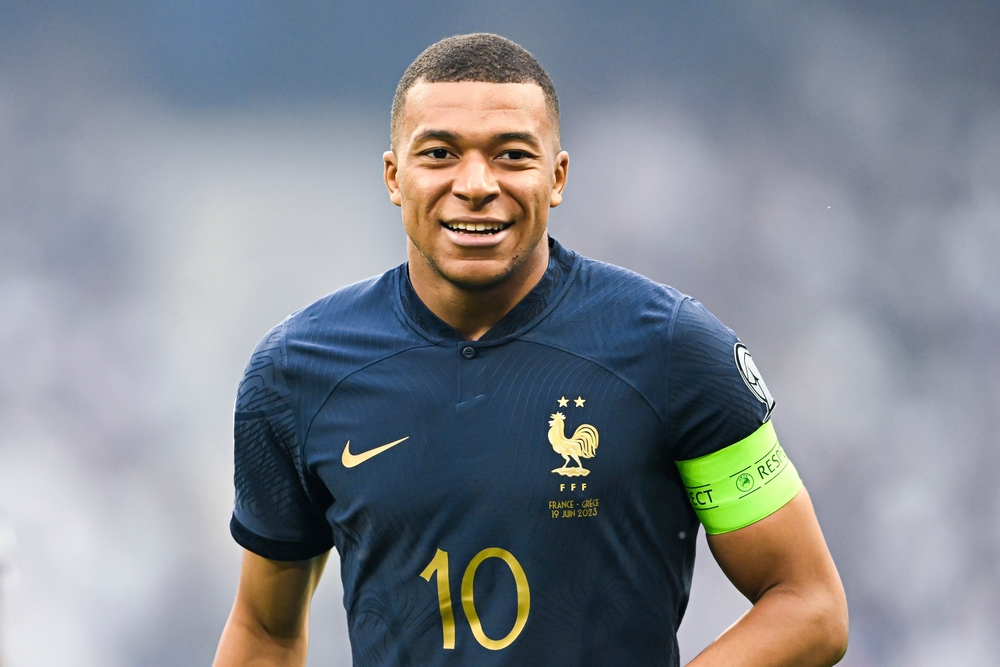
Kylian Mbappé produced one of the greatest individual World Cup performances of the modern era in Qatar. The French superstar scored eight goals, including a stunning hat-trick in the final against Argentina, becoming only the second player ever to achieve that feat in a World Cup final. Although France ultimately lost on penalties after an unforgettable contest, Mbappé walked away with the Golden Boot and enhanced his legacy on football’s biggest stage. At just 23 years old during the tournament, he had already established himself as one of the defining players of his generation.