This list is based on the timing of each departure, the expectations around each national team, the results that led to the decision and the way each coach responded after elimination, according to Digi24.
1. Sabri Lamouchi
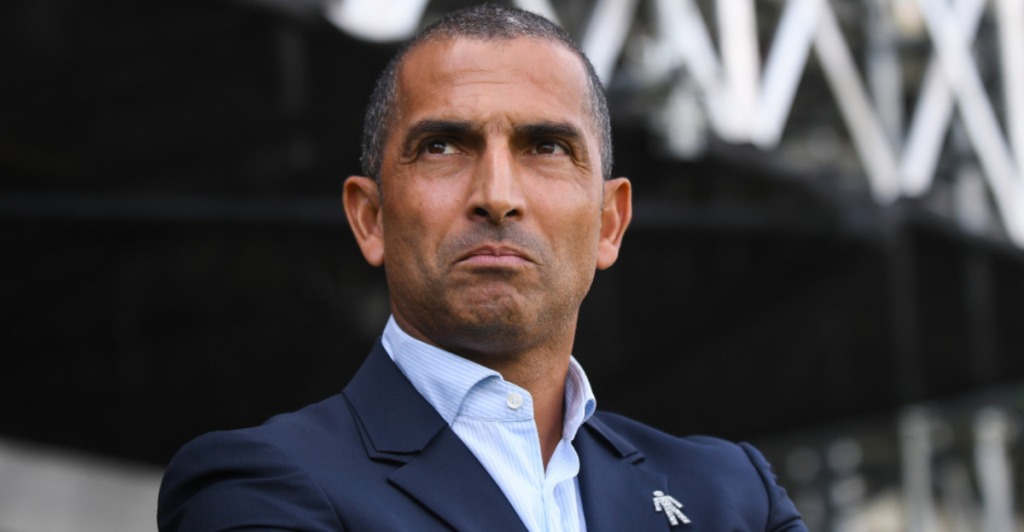
Sabri Lamouchi was the first coach to leave his position during the 2026 World Cup. His departure came on June 15, just one day after Tunisia had opened the tournament with a heavy 5-1 defeat against Sweden. That result immediately put pressure on the Tunisian national team and left little room for recovery. Lamouchi is included on this list because his exit set the tone for what would become a wider wave of coaching changes during the tournament. For Tunisia, the decision reflected how quickly expectations can collapse at a World Cup when the opening match goes badly.
2. Hong Myung-Bo
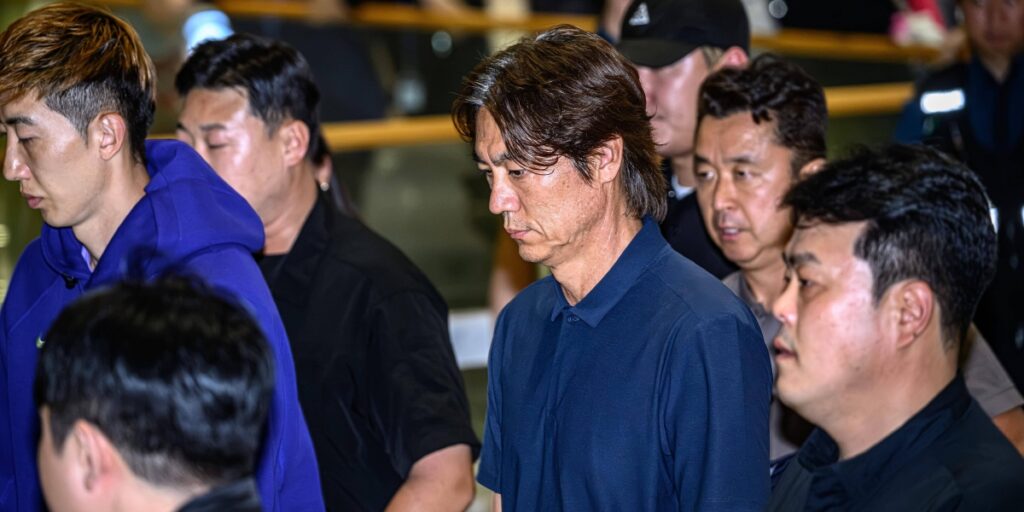
Hong Myung-Bo left his role as South Korea coach after the team failed to reach the round of 16. The decision was announced on June 28, the day after the group stage had come to an end. South Korea’s elimination was enough for the national team to part ways with a coach who had been expected to guide them into the knockout phase. Hong is on the list because his exit came as part of the first major wave of post-group-stage changes. His departure also underlined how little patience national federations can have when a World Cup campaign ends before the knockout rounds.
3. Steve Clarke
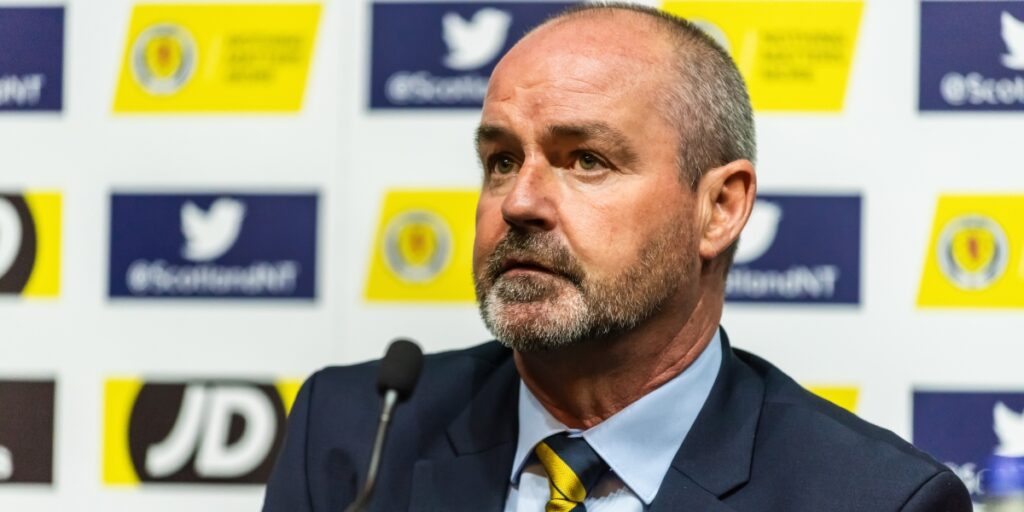
Steve Clarke also lost his position after Scotland failed to qualify for the round of 16. Like Hong Myung-Bo, his departure was announced on June 28, shortly after the group stage had concluded. Scotland had entered the tournament hoping to take a historic step forward, but the campaign ended earlier than hoped. Clarke is included because his exit was directly linked to Scotland’s failure to advance from the group. It marked a painful ending for a coach who had carried major responsibility for the team’s ambitions on the world stage.
Read also: ‘I’m not confident’: Red Bull chief delivers troubling verdict on Verstappen’s car
4. Miroslav Koubek
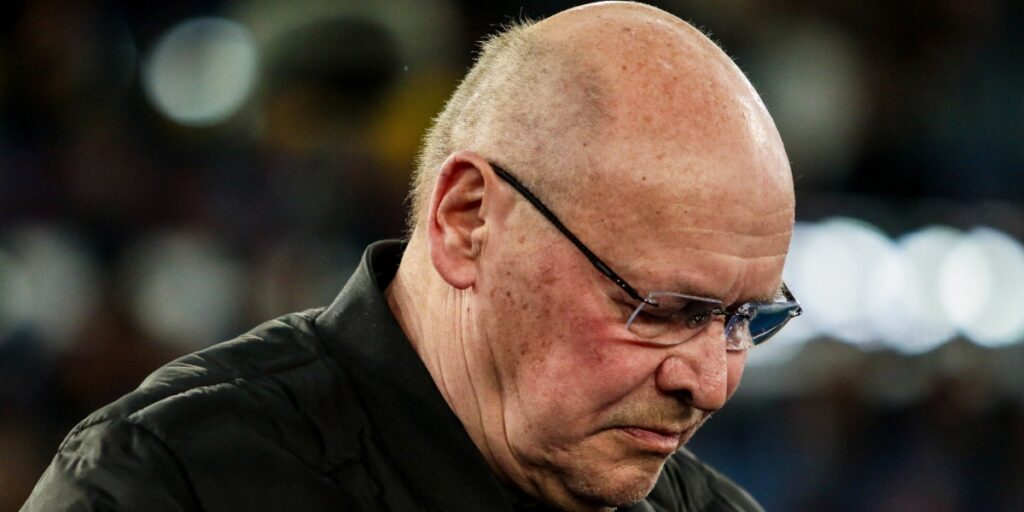
Miroslav Koubek resigned as Czech Republic coach on June 29 after a disappointing group-stage campaign. The Czech Republic were eliminated without winning a single match and collected only one point from a possible nine. That record made his position difficult to defend and left the team with very little to build on from the tournament. Koubek is part of the list because his resignation followed one of the clearest sporting failures among the eliminated teams. His exit showed how quickly a poor group-stage record can end a national team project.
5. Ronald Koeman
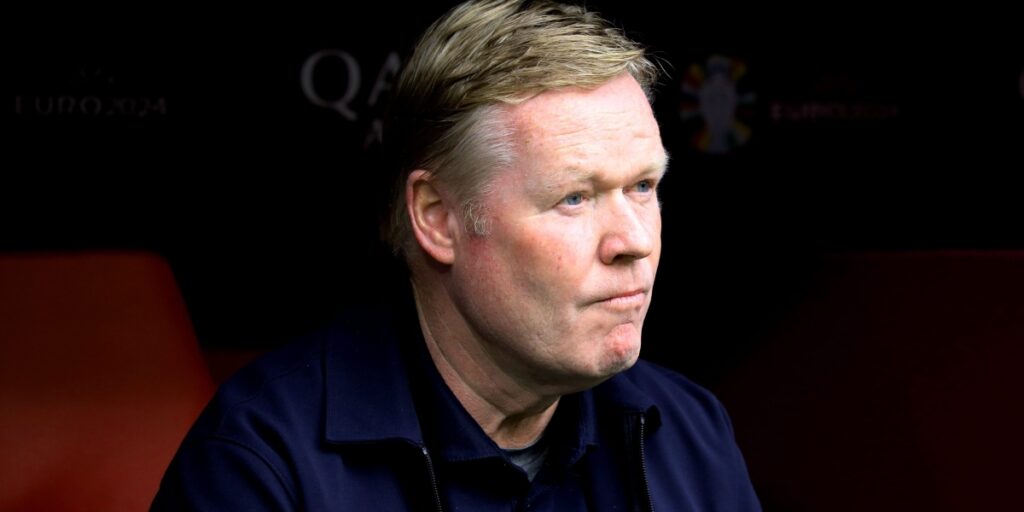
Ronald Koeman informed the Dutch Football Association that he would not renew his contract after the Netherlands were eliminated by Morocco in the round of 16. The Dutch exit came after a penalty shootout, making it a particularly painful way to leave the tournament. Koeman’s contract was already due to expire, but the World Cup defeat became the final chapter of his time in charge. He is included because the Netherlands had expectations of going deeper in the competition. Even though the departure was framed around a contract decision, the timing made it part of the wider World Cup coaching fallout.
6. Marcelo Bielsa
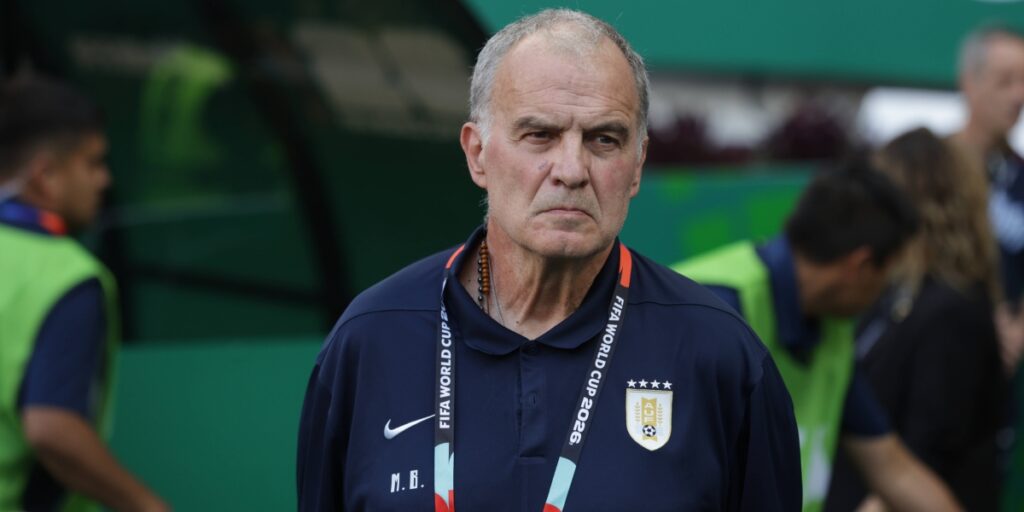
Marcelo Bielsa announced his departure from Uruguay after the team were eliminated in the group stage. The Argentine coach took responsibility for the failure and described the outcome as unexpected and deeply frustrating. Uruguay had entered the tournament with ambitions of reaching the knockout rounds, making the early exit a major disappointment. Bielsa is on the list because his resignation came with a clear admission of responsibility. His departure also stood out because of his reputation as one of football’s most respected and influential coaches.
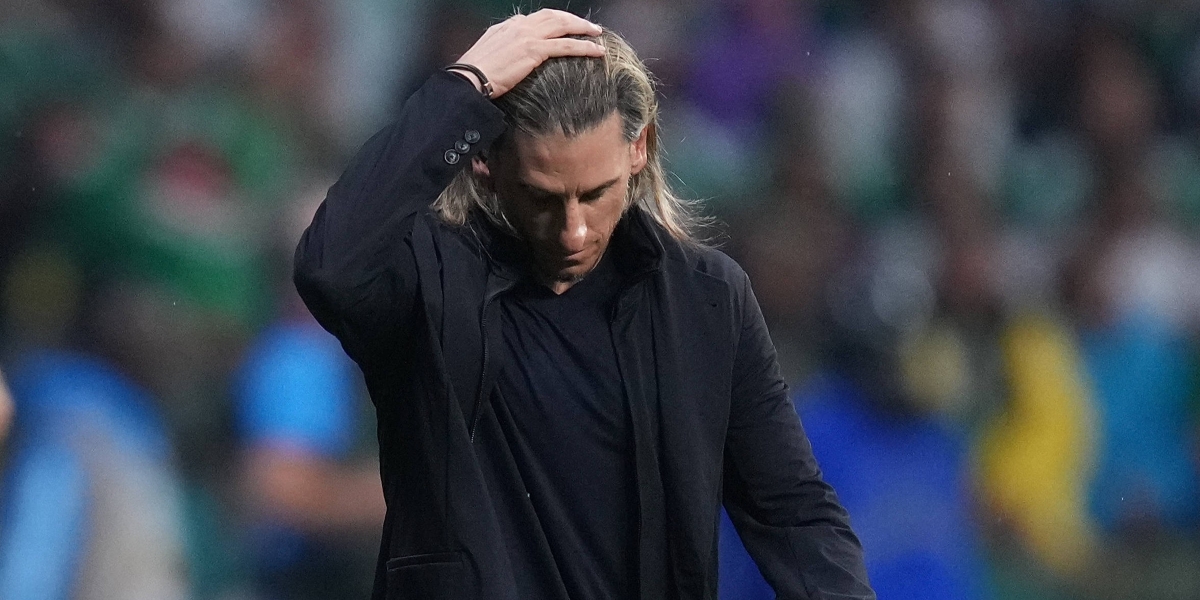
7. Sebastian Beccacece
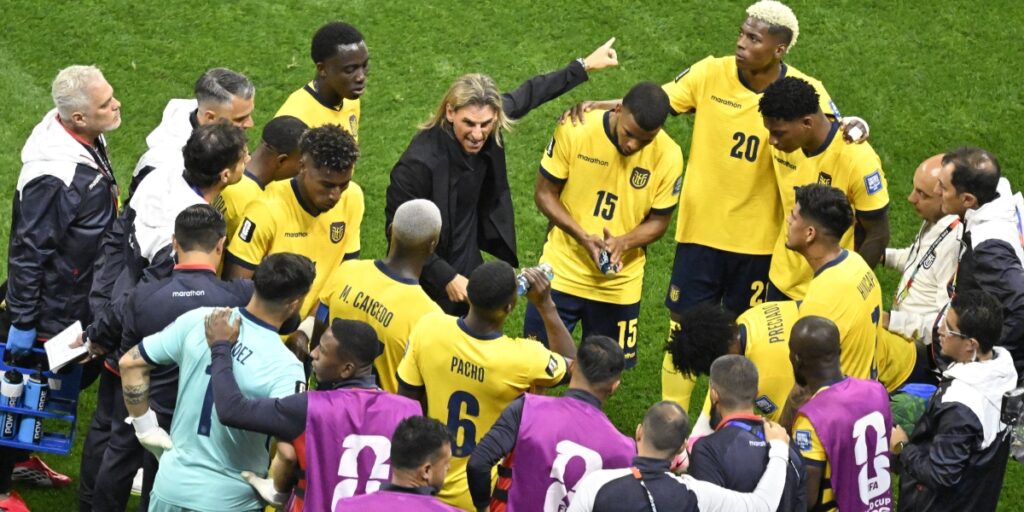
Sebastian Beccacece became the seventh coach to leave his job during the 2026 World Cup after Ecuador were knocked out by Mexico in the round of 16. Ecuador had reached that stage thanks to a 2-1 win over Germany in their final group match, but the 2-0 defeat in Mexico City brought the campaign to an end. Beccacece said results are what matter and described his time with the team as “a wonderful adventure with a bittersweet ending.” He is included because his resignation continued the remarkable pattern of coaches leaving during the tournament itself. His exit was not only about one defeat, but about the harsh reality that even reaching the knockout stage is not always enough to secure a coach’s future.
Read also: Man City hit back at Premier League with explosive accusation
Read also: Manchester City CEO says everything is one big “conspiracy theory”