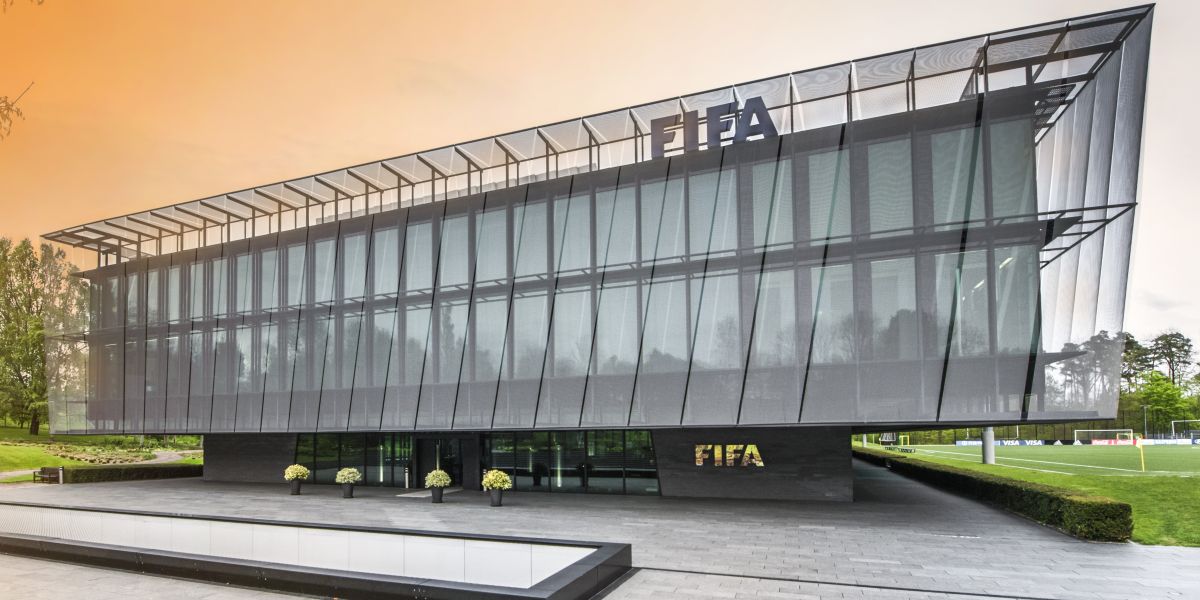
FIFA is facing criticism over plans for an extended halftime show during the 2026 World Cup final.
The musical performance will be the first of its kind during a men’s World Cup final and is scheduled to take place on Sunday, July 19, at New York New Jersey Stadium in East Rutherford.
Madonna, Shakira, Justin Bieber and BTS will co-headline the event, while Burna Boy, Venezuelan conductor Gustavo Dudamel and the PS22 Chorus featuring Coldplay will also perform.
However, the spectacle has generated controversy following reports that the complete halftime interval could last approximately 30 minutes, twice the maximum permitted under football’s Laws of the Game.
Read also: Roy Keane goes nuclear on Man City after 114 guilty findings
According to Mia Williams’ report for UNILAD, the longer break would provide enough time to construct the stage, hold the performance and remove the equipment before the second half begins.
FIFA has not confirmed 30-minute interval
FIFA has officially announced the show and its performers, but the governing body has not publicly stated that the halftime interval will last 30 minutes.
The musical performance itself is expected to take approximately 11 minutes. Much of the reported additional time would therefore be required for the stage to be installed and removed.
As reported by The Times, broadcasters have been told to prepare for an overall interval of around half an hour.
Read also: Here is Foden’s Man City exit route
That would allow television networks to show the performance while still providing their usual first-half analysis.
Until FIFA publishes the final match schedule, however, the length of the interval remains a reported plan rather than a formally confirmed decision.
Plans conflict with football’s laws
Law 7 of the Laws of the Game states that players are entitled to a halftime interval that must not exceed 15 minutes.
The competition regulations must specify the length of the break, while any alteration requires the referee’s permission.
Read also: Rodri breaks silence on Man City verdict with remarkable 2020 comparison
Under the wording published by the International Football Association Board, there is no provision allowing an interval of 25 or 30 minutes for entertainment purposes.
If the reported schedule is followed, FIFA would therefore be staging a break considerably longer than the limit set by football’s rule-making body.
A similar proposal was considered in 2021 when South American confederation CONMEBOL requested the option of extending halftime from 15 to 25 minutes.
The proposal was not taken forward after IFAB members expressed concerns about the possible effect on player welfare and safety caused by a longer period of inactivity, as described in FIFA’s summary of the discussions.
Read also: The wheelchair champion beat the sub-two-hour man, and London Marathon has its 2027 schedule
Players may have to warm up again before returning to the pitch if they spend significantly longer than usual in the dressing room.
Chris Martin curates historic performance
Coldplay frontman Chris Martin has helped curate the lineup alongside FIFA and Global Citizen.
Martin appeared in the official announcement video and described the performance as being “all about togetherness,” adding that “everyone’s invited.”
According to FIFA’s announcement of the completed lineup, Global Citizen is producing the performance in partnership with Live Nation and Done + Dusted.
Read also: Kimi Antonelli issues warning to George Russell with Mercedes vow
The event will support the FIFA Global Citizen Education Fund, which aims to expand access to education and football for children in underserved communities.
FIFA has said that one dollar from every ticket sold during the World Cup will be donated to social projects connected to the initiative.
Martin previously helped organise the halftime show at the 2025 Club World Cup final, which featured Coldplay, J Balvin, Doja Cat, Tems and Emmanuel Kelly.
That event also took place at MetLife Stadium and resulted in a significantly longer interval than the traditional 15-minute break.
Fans question Super Bowl influence
The introduction of a major halftime performance has divided football supporters.
Some see the show as a natural addition to the biggest match in world football and an opportunity to reach viewers beyond the traditional sporting audience.
Others believe it reflects an attempt to reshape football in the image of American sport, where lengthy entertainment programmes are a regular feature of events such as the Super Bowl.
The debate has become particularly intense because the performance will take place between the two halves rather than before kick-off.
Any delay affects the players directly and could interrupt the rhythm of a match being played for football’s most important trophy.
The final will also include a separate closing ceremony beginning approximately 90 minutes before kick-off, meaning FIFA already has an opportunity to stage extensive entertainment without affecting the match itself.
FIFA’s halftime show is certain to provide a global spectacle. Whether it can be delivered without disregarding football’s established time limit remains the central question.