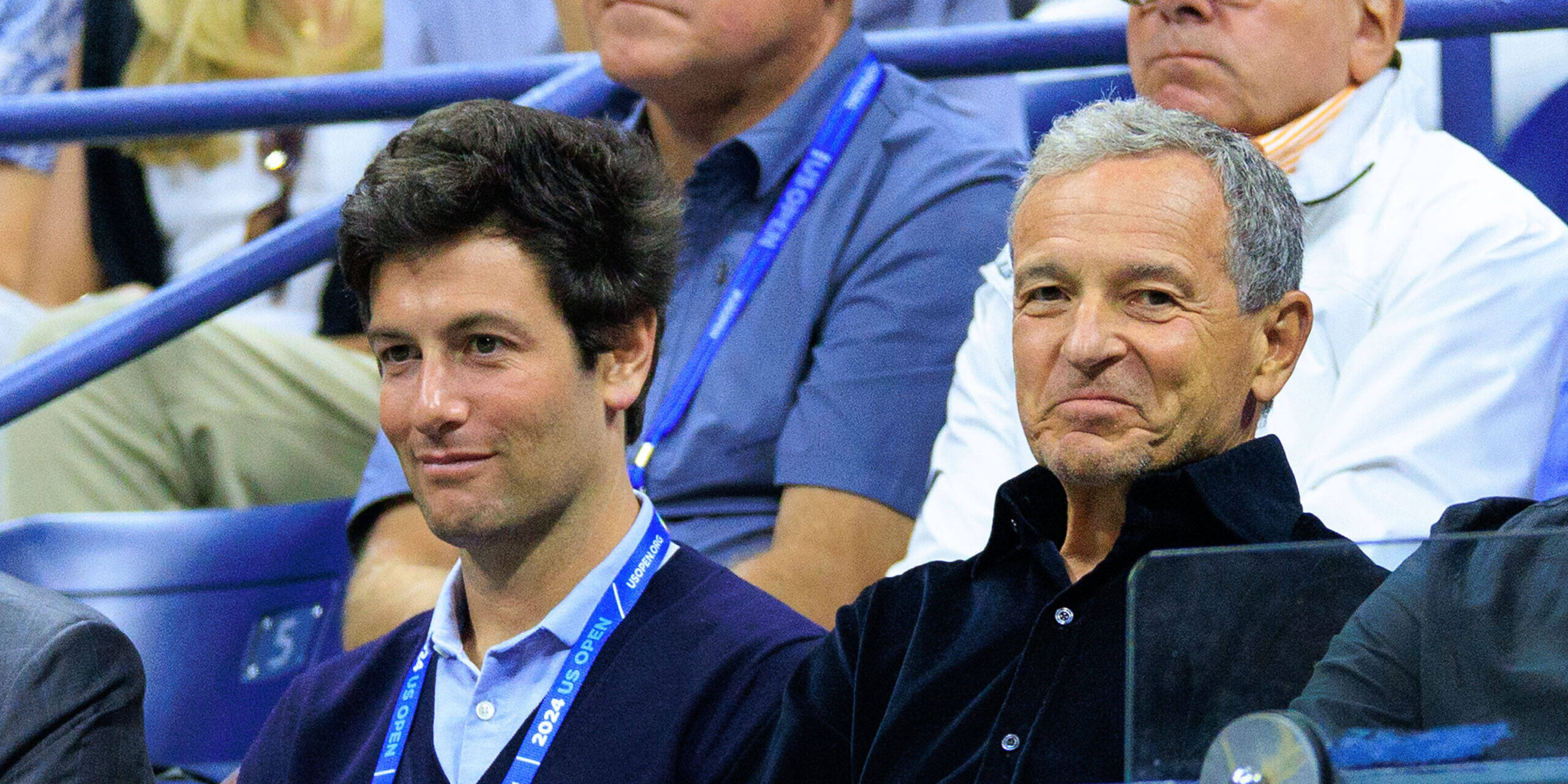
For weeks the private investor at the centre of the biggest governance rupture in modern FIFA history had said nothing. On Sunday, 31 August, Josh Kushner finally spoke, telling Axios that his firm had been out of its depth.
Kushner said Thrive Capital had “failed to appreciate the political dynamics of global football, and the lengths some would go to”, and that his firm “would not have gotten involved” had it understood how the proposal would land inside FIFA’s power structure.
The statement arrived four days after UEFA filed papers in Manhattan Federal Court on 27 August seeking to subpoena Kushner and Thrive for testimony and documents about the plan.
What FIFA was actually selling
The deal, branded FIFA Forward Enterprise (FFE), would have carved FIFA’s commercial and event operations for tournaments including the World Cup into a new for-profit subsidiary. Thrive Capital was lined up as the anchor investor and JPMorgan as adviser.
Read also: 10 things the commission found Manchester City guilty of
The subsidiary was pitched at roughly a $20bn valuation, with about $4.2bn to be raised by selling a 20% minority stake to private investors. National federations that backed the plan were told they would gain access to additional development funding, part of a pitch aimed at all 211 FIFA member associations.
Kushner defended the intent of the deal even while conceding the political misread. He said money in football had “historically been concentrated amongst a small group of countries” and that the vehicle was designed to “provide significantly more investment to underdeveloped nations to nurture local talent”. He said he continued to “stand behind the motivations of FFE”.
Why the confederations killed it
The proposal drew open opposition from UEFA, CONCACAF and the Asian Football Confederation, while the Confederation of African Football did not take a public stance. By the time UEFA filed in Manhattan on 27 August, the push for member sign-ups had already stalled. Infantino has since apologised and acknowledged that “mistakes were made”, while remaining in post as FIFA president.
Kushner’s late statement, delivered as the plan visibly unravelled, is unusual for a major private investor. Public concessions of political misjudgement on this scale, from a firm that was not accused of wrongdoing, are rare in Wall Street practice.
Read also: Leaked Man City video: CEO brands guilty verdict a ‘conspiracy theory’
The criminal case UEFA is building
UEFA is not merely lobbying. It has told the New York court it is preparing to bring criminal claims in Switzerland against Infantino, and possibly other FIFA officials and advisers, under Article 158 of the Swiss Criminal Code, which covers criminal mismanagement.
In its filing, UEFA argued the transaction had inflicted “direct and concrete injury on FIFA’s reputation, governance authority” and commercial relationships, and alleged the $4.2bn figure may have amounted to “a fraudulently off-market price promoted by Infantino for his own benefit”. It described Kushner and Thrive as key figures in the deal.
Neither Kushner nor Thrive is expected to be a defendant. UEFA wants their communications with Infantino as evidence against the FIFA president himself.
What is still open
FIFA governance decisions ultimately sit with its 211 member associations, each of which casts its own vote at Congress; confederations can lobby and criticise but do not deliver their members’ ballots. Infantino, who has led FIFA since 2016, would be eligible to seek re-election for a 2027-2031 term at the 77th FIFA Congress, scheduled for 18 March 2027 in Rabat, Morocco.
Read also: Ferrari issues unusual statement as Christian Horner rumours grow
Read also: Jamie Carragher: ‘always felt’ Man City were guilty