La Liga president Javier Tebas has attacked the extended international break, warning that domestic leagues and players are being left to absorb the consequences of football’s expanding calendar. According to Campo’s report, he also challenged the argument that combining international windows to reduce travel provides sufficient justification for the change.
His criticism brings together two concerns: the demands placed on footballers and the economic position of the competitions that employ them. Tebas argues that protecting players cannot be separated from protecting the domestic leagues whose schedules are affected by international football.
A warning about football’s finances
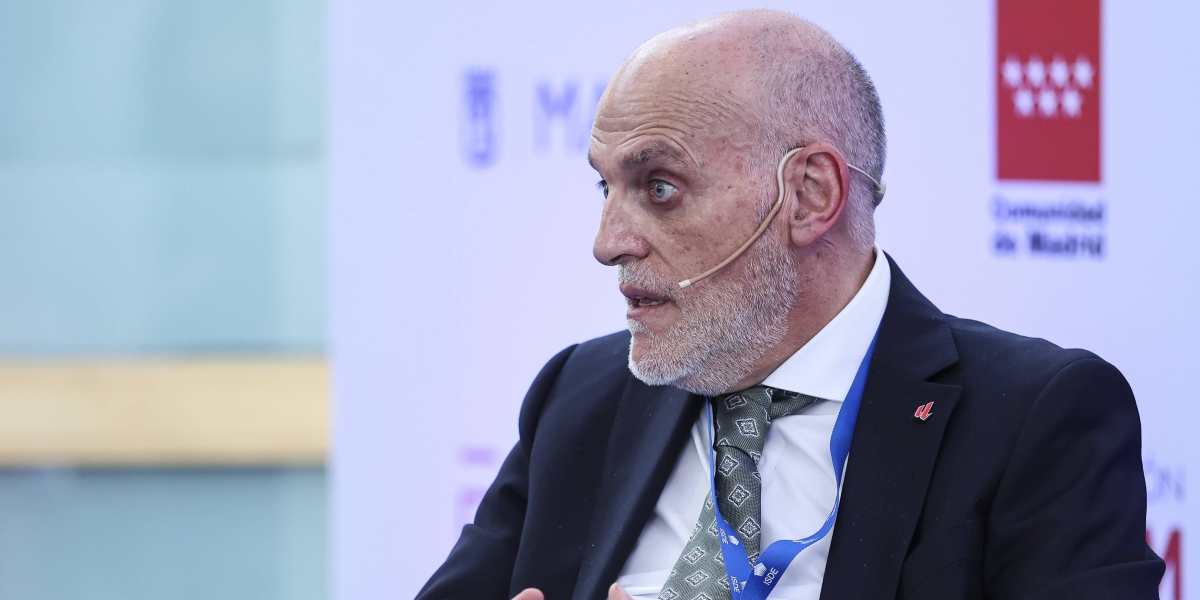
Speaking at FIFPRO’s performance and health summit in London, Tebas warned that continued calendar expansion threatens player health, the value of broadcasting rights and the industry’s financial sustainability.
“If this is not stopped, the system will eventually break down,” he said, as quoted by Mundo Deportivo.
Read also: Arsene Wenger warned about Man City 15 years ago – now his words are back
“We cannot build the future of football by adding ever more matches.”
His argument extends beyond the disruption of a single international break. He believes the benefits of expanding international competitions must be weighed against the consequences for domestic football and the thousands of people who work within it.
What FIFA’s new window actually changes
The extended break follows a calendar change approved in March 2023. According to FIFA’s official announcement, a combined 16-day window in late September and early October was introduced from 2026, allowing national teams to play four matches.
It replaces two separate nine-day windows, each accommodating two matches. The combined window therefore does not, by itself, increase the number of international matches available across September and October. It brings the same four-match allocation into one continuous period and reduces the combined window length from 18 days to 16.
Read also: Cristiano Ronaldo’s sister breaks silence after bench drama and camp exit
When approving the calendar, FIFA said it had conducted a detailed consultation process. It also established a player-welfare task force, presenting player wellbeing as one of the objectives behind its decisions.
Player welfare and the right to decide
The London summit placed those concerns at the centre of its programme. According to FIFPRO’s event announcement, the gathering with Cleveland Clinic ran from September 28 to 30 and brought together medical experts, footballers, player associations and industry representatives. Its agenda examined physical and mental demands, working time and competition schedules.
Tebas subsequently used his X account to press the question of who controls the calendar. He argued that leagues, clubs and players must agree to competition expansions or additional fixtures, rather than simply receive notification once decisions have been made. Consultation, he said, must offer a genuine opportunity to change the outcome.
For Tebas, the dispute is therefore also about authority: those bearing the consequences should help determine how much football is played.
Read also: Arne Slot’s savage Man City remark comes back to haunt them
Read also: Garry Kasparov reportedly targeted in Russian murder plot as US steps in