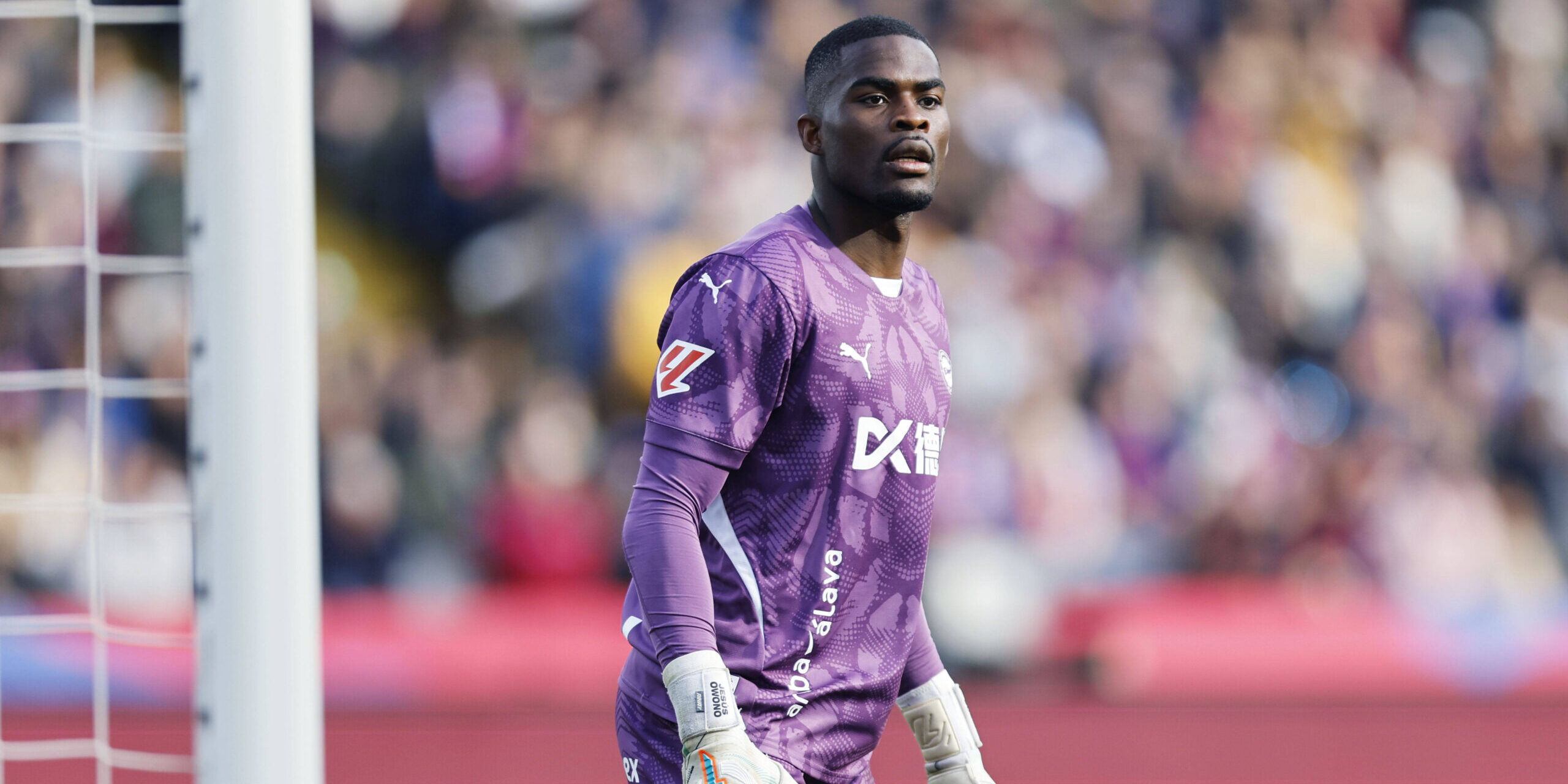
A criminal case against Jesús Owono is “very unlikely” to be opened over the death of Jesús de Miguel, Santa Cruz de Tenerife’s chief prosecutor has indicated, shifting the focus of the inquiry toward Spain’s football disciplinary system.
The prosecutor, José Luis Sánchez-Jáuregui, told the Spanish news agency EFE that a criminal process against the FC Andorra goalkeeper would be “particularly difficult” because the fatal contact happened during a normal passage of play, according to reporting relayed by AfricaSoccer. Spanish jurisprudence, he noted, draws a sharp line between injuries sustained in the course of sporting competition and conduct that can be prosecuted as assault.
If any criminal file were to be opened at all, Sánchez-Jáuregui said, it would most plausibly be framed as manslaughter through less serious negligence rather than an intentional killing. Spain’s National Police has opened proceedings on possible involuntary manslaughter, but that step is the standard protocol after any non-natural death and does not imply that investigators have identified criminal conduct.
De Miguel, 30, died on the morning of Tuesday, 3 November 2026 after suffering cardiac arrest at hospital. The striker had collided with Owono in stoppage time of the Segunda División match between CD Tenerife and FC Andorra the previous evening, with the score at 2-2 when the game was abandoned. Owono, 25, had sprinted from his penalty area to clear a long ball and caught the striker high in the chest with his knee; the Equatorial Guinean goalkeeper was shown a straight red card.
Read also: Rooney picks out Bruno Fernandes at half-time: ‘Run back, you’re the captain’
The punishment will come from the RFEF
The sanction is now expected to come from the Royal Spanish Football Federation (RFEF) and its Disciplinary Committee.
The committee is widely reported to be considering Article 102 of the federation’s disciplinary code, which covers violent conduct causing serious injury and carries a suspension of between four and 12 matches. Spanish newspaper AS has indicated that the extreme consequences of the challenge make a ban unlikely to fall below eight matches, with the eight-to-12 range the most plausible outcome. The federation has not yet announced its decision.
Spanish journalist Guillem Balagué, citing his own sources, has placed the likely ban in a slightly wider frame of four to eight matches or more given the severity of the outcome.
Sánchez-Jáuregui has also stressed that the disciplinary committee’s findings will weigh heavily on whether any further legal scrutiny of the challenge is warranted.
Read also: Hansi Flick dealt worrying news despite Barcelona’s convincing Champions League victory
Threats and racial abuse drove Owono off social media
The prosecutor’s assessment comes against a backdrop of sustained online abuse. Owono closed his Instagram account after what GiveMeSport described as “a wave of abusive messages, which included death threats and racial abuse”, and he has also deactivated his account on X. Supporters have called him a murderer online.
Teammates and those close to him have described a player in deep distress: Spanish media reported he was crying and praying in the dressing room after the match, and that he has told intermediaries he wants to make private contact with De Miguel’s family before any public statement.
De Miguel’s relatives retain one clear legal route of their own. If they disagree with the prosecutor’s reading of the incident, they can file a complaint alleging assault resulting in death, which would force the opening of a formal investigation. Until that step is taken, the RFEF’s ruling on Article 102 is the next concrete decision the case is waiting for.
Read also: Teenage substitute Shea Lacey sets up Cunha winner as Manchester United fight back from 2-0 down