A growing diplomatic dispute involving the United States is beginning to cast a shadow over preparations for the 2026 men’s World Cup, raising fresh questions about how global politics could disrupt the sport’s biggest tournament.
While no teams or governing bodies have taken formal action, commentators and politicians are increasingly debating whether participation itself could become a point of leverage as tensions rise between Washington and several allies.
Morgan suggests symbolic protest
British journalist Piers Morgan added fuel to the debate this week by proposing that several European heavyweights consider stepping back from the tournament while negotiations with the United States continue.
Writing on social media on January 20, Morgan said:
Read also: Bayern break silence on Florian Wirtz return rumours
“Maybe England, France, Spain, Germany, Portugal, Netherlands, Norway and Italy should all pause participation in the World Cup while the various tariff negotiations continue with President Trump? 8 of the 10 favoured teams to win withdrawing might concentrate some minds.”
There is no indication that any of the named nations are considering withdrawal, but the remarks reflect growing unease about the political environment surrounding the event.
Trade threats and diplomatic fallout
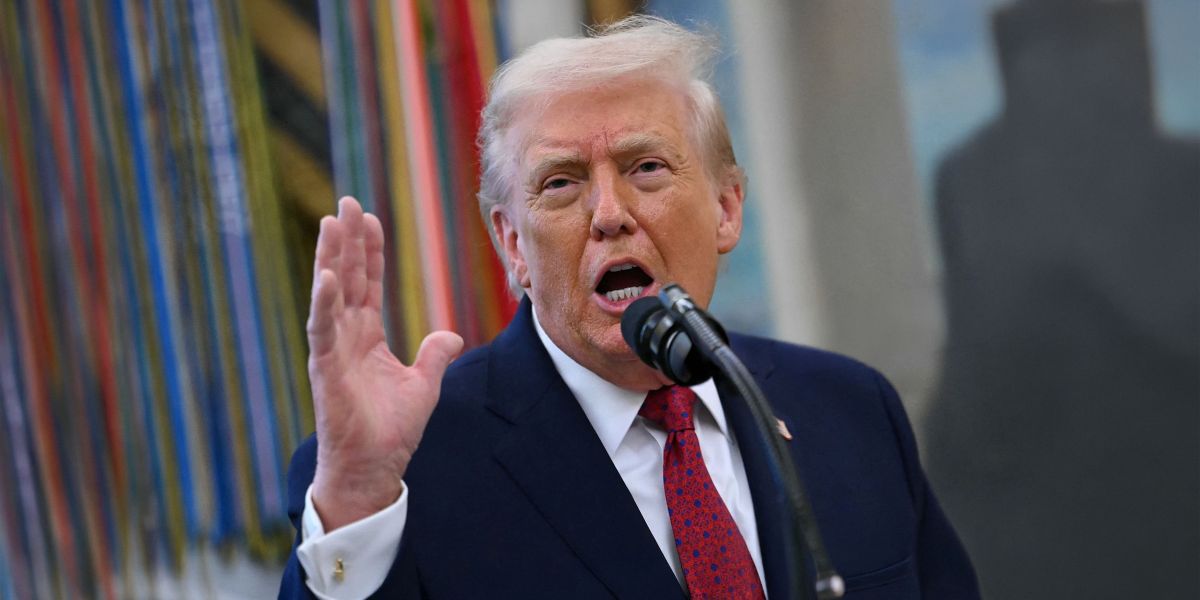
The comments follow renewed controversy involving US President Donald Trump’s foreign policy. On January 17, Trump warned European allies including the UK that they could face 10 percent tariffs if negotiations over Greenland fail.
Trump has repeatedly argued that the United States “needs Greenland,” an autonomous territory within the Kingdom of Denmark, citing its strategic importance. UK Prime Minister Keir Starmer described the tariff threat as “completely wrong.”
Read also: Audi builds a new F1 campus
Shortly afterwards, 23 MPs from four UK parties Labour, the Liberal Democrats, the Green Party and Plaid Cymru backed a parliamentary motion urging international sporting bodies to consider whether the US should continue hosting major competitions.
Visa policies raise practical concerns
Alongside the diplomatic dispute, uncertainty has also been driven by US immigration policy. According to reporting from the Mirror, the Trump administration announced in June 2025 full and partial travel restrictions on citizens from 19 countries, citing national security concerns. Additional countries have since been added.
World Cup-qualified nations Haiti and Iran are subject to full restrictions, while Ivory Coast and Senegal face partial measures. The US has also announced an indefinite visa freeze affecting people from 75 countries, due to take effect on January 21. Several of those countries, including Brazil, Colombia and Egypt, are expected to compete in 2026.
The measures prompted concerns among fans and commercial partners about access to events such as the World Cup and the 2028 Los Angeles Olympics.
Read also: La Liga chief attacks FIFA’s extended break and warns who will pay the price
A US State Department official told the Mirror that “the ban applies to the issuance of immigrant visas only, and does not apply to non-immigrant visas, such as those for tourists, athletes and their families, and media professionals intending to travel for the World Cup.”
Even with those assurances, industry observers have warned that uncertainty alone could complicate logistics for sponsors, broadcasters and supporters.
Sport caught between politics and policy
Critics of the US administration have also pointed to broader foreign policy tensions, including reported military actions and threats involving several countries, as evidence that politics is increasingly colliding with international sport.
FIFA has not indicated that it is reconsidering the United States’ role as co-host of the 2026 tournament, and there is currently no mechanism in place to penalise a host nation over diplomatic disputes alone.
Read also: Arsene Wenger warned about Man City 15 years ago – now his words are back
Still, Morgan’s remarks underline a wider concern: as geopolitical pressure intensifies, the World Cup traditionally marketed as politically neutral may find itself drawn deeper into global power struggles.
Sources: Mirror; social media posts by Piers Morgan
Read also: Cristiano Ronaldo’s sister breaks silence after bench drama and camp exit