Balancing reform and Olympic tradition
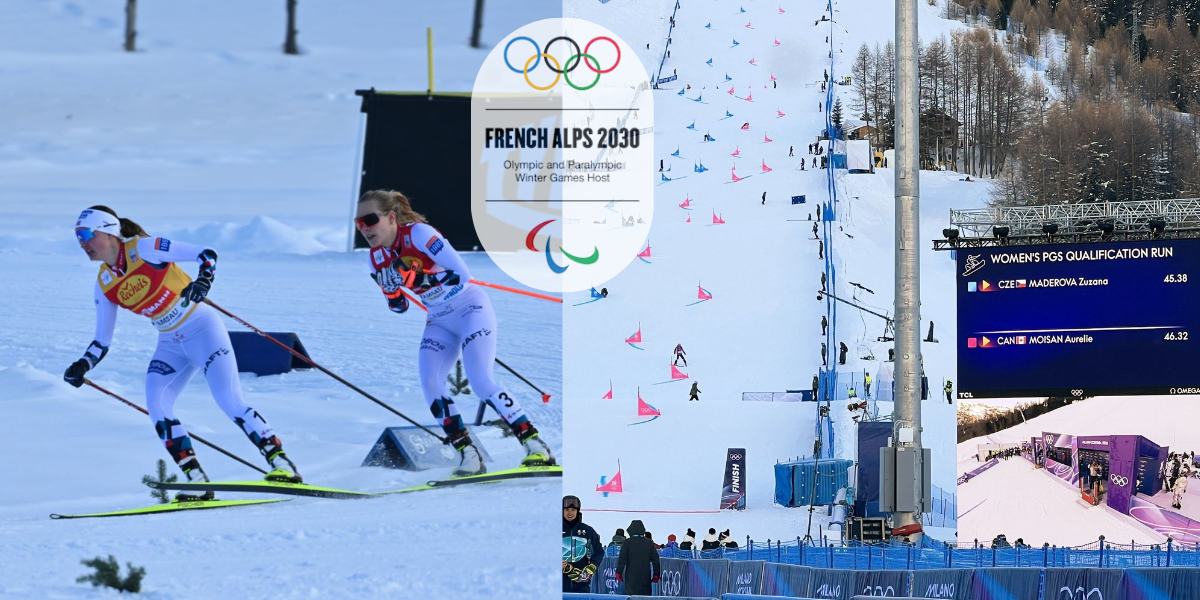
The International Olympic Committee, IOC, confirmed in September 2025 that PGS and Nordic combined are being evaluated under standards introduced in 2023 to ensure the Games remain “balanced, youth-focused and cost-efficient.”
The standards, and therby IOC, states that there is a consensus on Relative Energy Deficiency in Sport (REDs), in which confirms that not eating enough to match training demands can seriously affect both health and performance in male and female athletes. Since 2018, research has expanded significantly, including stronger evidence on mental health effects, impacts in male athletes, and the added risks of low carbohydrate availability.
The paper introduces an updated physiological model and a new clinical tool (IOC REDs CAT2) to help with earlier detection, risk assessment, and management. The focus is on prevention, team-based treatment, and more standardized research, as there is no single clear energy threshold that defines REDs.
According to The Associated Press, the review on the sports from officials is already on-going. These program reviews are a routine part of Olympic planning, but they often reflect deeper commercial and political pressures. Broadcast audiences, global participation levels and operational demands now weigh heavily in determining which sports remain on the schedule.
Read also: Kylian Mbappe had just hit top form – now Real Madrid have a problem
Snowboard racing under scrutiny
PGS has been part of the Winter Olympics since 1998. In the event, two riders race side by side through parallel gates, with the fastest competitor advancing.
According to The Associated Press, the discipline has faced questions about its broadcast appeal, particularly in the United States, where NBC holds major Olympic media rights. American athletes have historically had limited medal success in PGS, a factor that can influence television interest in a key media market.
This raises an uncomfortable question about the direction of the Olympic movement. If a sport’s survival depends less on athletic merit and more on its television appeal in a single major media market, the Games risk drifting away from their global and sporting principles. Medal distribution and US broadcast ratings should not become the quiet criteria that determine which disciplines live or die.
Joseph Wilson reported from Livigno that American coach Justin Reiter warned it would be “a huge mistake on the part of the IOC” to remove the discipline. Reiter argued that the event delivers strong gender participation and aligns with sustainability goals because it requires limited snow and relatively simple venue preparation.
Read also: Premier League boss breaks silence with damning Manchester City statement
“It has a fantastic participation between both men and women,” Reiter told reporters, adding that the event fits Olympic priorities around equity and climate considerations.
The discipline’s Olympic history includes high profile moments. In 2018, Ester Ledecka became the first athlete to win gold in both Alpine skiing and snowboard PGS at the same Games. Earlier editions produced memorable performances from athletes such as Chris Klug and Vic Wild. However, the event has also faced operational challenges, including severe rain disruption at the 2010 Vancouver Games.
Nordic combined and the gender debate
Nordic combined, part of the Winter Olympic programme since 1924, is also being reassessed. The discipline blends ski jumping with cross-country skiing and has traditionally been dominated by a limited number of countries. That concentration of success has once again raised concerns about its broader international and broadcast appeal.
According to ESPN, the IOC previously cited limited audience figures and a lack of “diversity of countries” competing when it declined to add a women’s Nordic combined event to the 2026 program. That decision drew criticism after the IOC promoted Milano Cortina 2026 as “set to become the most gender balanced Olympic Winter Games in history.”
Read also: Kasper Schmeichel finds completely new path after football retirement
A women’s world championship event was introduced in 2021, but Olympic inclusion has yet to follow.
Broadcast economics and global reach
While Olympic officials frame the review around balance and sustainability, broadcast economics remain central. NBC contributes significant funding through United States media rights agreements, making American audience engagement an important consideration.
At the same time, the IOC has increasingly emphasized global representation. Sports with limited geographic spread or recurring medal dominance by a small cluster of countries face greater scrutiny under current evaluation models.
Though it is important to notice a few outliers in this regard and statement from IOC. While medal dominance alone does not automatically threaten a sport’s Olympic status, the broader competitive landscape matters.
Read also: Andy Murray reveals one major regret about Nadal and Djokovic
Basketball, for example, has long been dominated by the US men’s team during the summer olympics, yet it benefits from deep global participation and strong worldwide television appeal. Nordic combined, by contrast, has a far narrower competitive base, with podium places often concentrated among a small group of European nations. In an era where the IOC is placing greater emphasis on global reach and commercial viability, that difference may prove decisive.
Potential shake up for the 2030 lineup
A final decision on the 2030 Winter Games sports program is expected by June 2026. According to Le Dauphiné, French Alps organizing committee president Edgar Grospiron said potential additions could include ski mountaineering, speed skiing, telemark, cross country or cyclo cross formats, and ice cross.
For some federations, the review represents procedural fine tuning. For others, it may determine whether their athletes remain on the Olympic stage beyond 2026.
The IOC has been approached for comment.
Read also: Manchester United told to ‘nick’ two Man City stars if relegation hits
Sources: The Associated Press, ESPN, IOC, Le Dauphiné