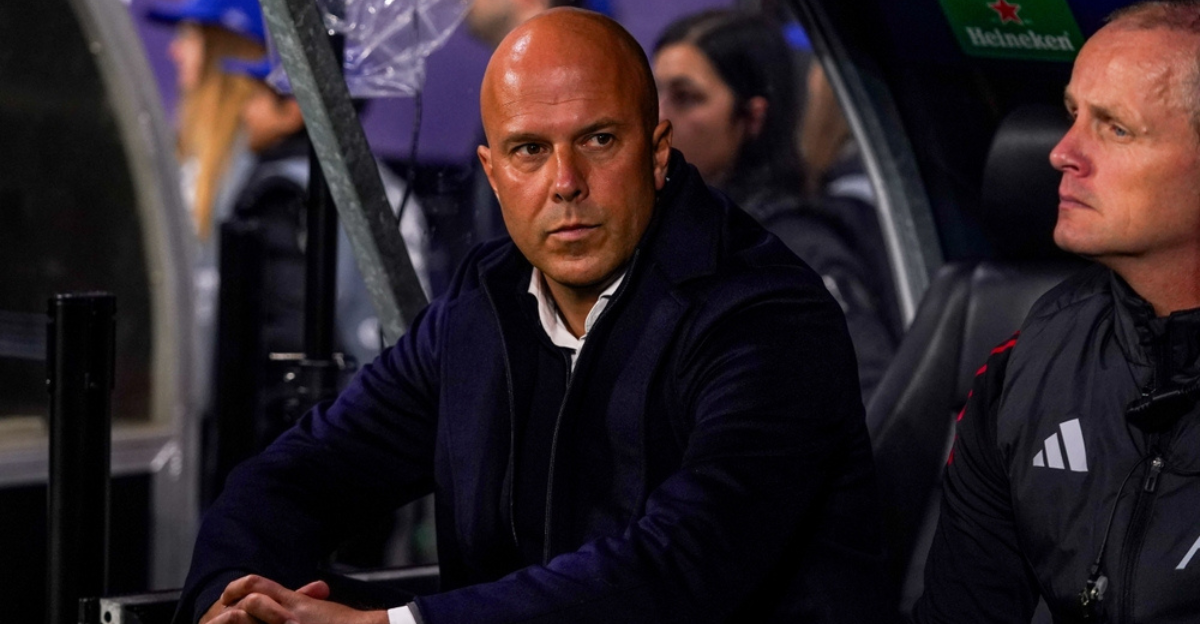
For much of last season, Liverpool’s evolution under Arne Slot looked like a seamless transition. The intensity that defined Jurgen Klopp’s era had been dialed down, replaced by a more controlled and measured approach a shift highlighted at the time in reporting by BBC Sport.
Now, the same changes are beginning to expose cracks.
Control without control
Liverpool’s recent struggles have been less about isolated results and more about how games are unfolding. Leads have slipped, tempo has dropped, and matches that once felt manageable are becoming difficult to close out.
After a 1-1 draw with Burnley in January, captain Virgil van Dijk said: “After 60 minutes, we started to become sloppy and it’s not the first time. We have to address that.”
Read also: Iran players split as asylum drama ends with return home
BBC Sport noted similar concerns around Liverpool’s inability to maintain control in matches this season, despite their more structured approach.
A system that lost its edge
Part of the success early in Slot’s tenure may have come from what was already in place. Klopp’s Liverpool was built on relentless physical output aggressive pressing, constant movement, and the ability to overwhelm opponents.
BBC Sport has suggested that Slot’s ideas initially worked so well because they were layered onto that physical base. With a fully fit squad still conditioned for high-intensity football, the balance between control and aggression proved effective.
That balance now looks harder to maintain.
Read also: Analysis: The truth about Michael Schumacher, inside his secret world
Personnel changes have altered the profile of the team, particularly in attack. As highlighted in BBC Sport’s analysis, Liverpool no longer have the same level of defensive work rate from the front line, and that has had a knock-on effect across the pitch. Pressing is less coordinated, triggers are slower, and opponents are finding it easier to play through the first line.
Safer with the ball and easier to defend
The shift is just as visible in possession. Liverpool are committing fewer players forward early and recycling the ball more frequently instead of forcing openings.
BBC Sport’s reporting points to a broader drop in risk-taking, both in and out of possession, with Liverpool winning the ball back less often and playing more cautiously when building attacks.
That caution reduces turnovers, but it also slows the game down. Opponents have more time to settle into defensive shape, often retreating into compact low blocks that are difficult to break down.
Read also: Tiger Woods gives major update on Masters return
Slot acknowledged earlier in the season that teams are defending deeper against Liverpool than before. But the issue is not just opposition tactics it is also how long Liverpool take to move the ball into dangerous areas.
Van Dijk’s assessment after the defeat to Wolves that the team had been “too slow and predictable in possession” reflected a growing pattern rather than a one-off performance.
The missing vertical threat
One of the subtler changes has been in how quickly Liverpool progress the ball. BBC Sport previously highlighted Trent Alexander-Arnold’s role in accelerating attacks, with his passing allowing Liverpool to bypass pressure and exploit space before defenses were set.
Without that same level of direct progression, attacks now develop more gradually. The result is a team that sees plenty of the ball but creates fewer moments of real disorganization in the opposition.
Read also: Supercomputer ranks Champions League chances for each team
The contrast is not just stylistic it changes the type of chances Liverpool are able to generate.
Finding the right balance again
None of this suggests Liverpool should simply revert to Klopp’s approach. The squad has changed, and so have the physical demands of the team. A return to full-throttle pressing would not necessarily solve the current issues.
But, as BBC Sport’s analysis implies, the pendulum may have swung too far toward caution.
Right now, Liverpool look organized but not threatening enough, controlled but not decisive. The challenge for Slot is to reintroduce a degree of risk quicker forward passes, sharper pressing triggers, more unpredictability without losing the structure he has put in place.
Read also: Kasper Schmeichel says he may have played final game
Because at the moment, Liverpool are easier to read. And in the Premier League, that is often the first sign that something needs to change.
Sources: BBC Sport