Why fans feel misled by Category 1
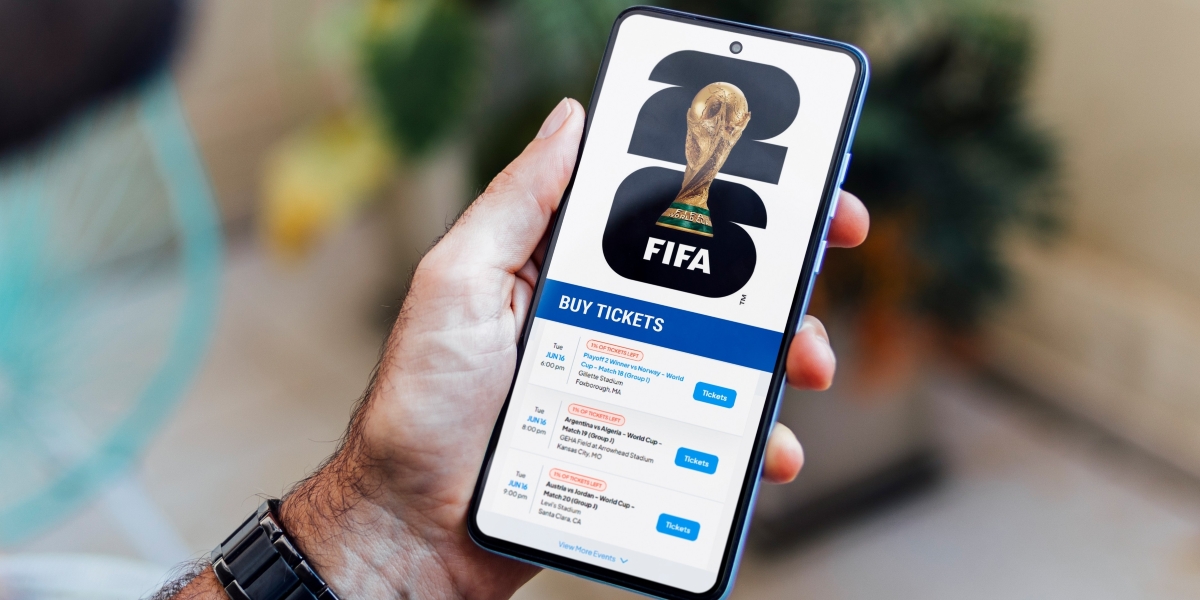
With the 2026 World Cup getting closer, FIFA is ones again facing new criticism over the way it has handled ticket sales. According to Hal Fish in GiveMeSport, supporters who bought Category 1 tickets believed they were paying for the best standard seats available inside each stadium. The frustration grew when many of those same fans later discovered that some of the most desirable lower level rows were being sold separately under new labels, including Front Category 1 and Front Category 2.
For supporters who had already spent hundreds, and in some cases thousands of dollars, the change did not feel like a routine sales adjustment inside a regular cooperation. It felt like the definition of a premium ticket had shifted after the money was already taken by FIFA. Fans are not only upset by the price, they are furious because they believe the original offer created one expectation, while in the end, getting something else.
According to FIFA’s own ticket category explainer, categories can vary depending on the sales phase and availability. That gives FIFA room to alter what is being sold as the tournament approaches. Even so, supporters argue that the issue is not whether FIFA technically had the flexibility to do so, but whether buyers were given a clear enough picture of what Category 1 really meant when they made their purchase.
How the new front row pricing intensified the problems
According to the Associated Press, FIFA introduced even more expensive front row ticket options in early April. AP reported that a Front Category 1 seat for the United States opener against Paraguay in Inglewood was listed as high as $4,105. Only a week earlier, the highest Category 1 price for the same match had been $2,735.
Read also: Javier Tebas breaks silence on what should happen to Man City next
That difference is a major reason the controversy has grown so quickly. Critics say it suggests premium inventory was effectively split into a new class after many fans had already committed to the highest standard tier available at the time. Whether FIFA sees that as normal market segmentation or not, supporters clearly see it differently. From their perspective, the best seats were presented one way at first, then repackaged later at a higher price once demand had already been established.
This has caused even more resentment because World Cup supporters often buy by category first and receive their exact seat later. As explained in SeatGeek’s breakdown of FIFA’s ticket process, buyers are choosing a pricing band and trusting that the final placement will reflect the spirit of that category. That system becomes much harder to defend when new premium labels suddenly appear after the main sales phases have already shaped expectations.
FIFA Labbelled as corrupt
According to FIFA’s update on the last minute sales phase, more tickets were released to the general public on April 1. But supporters had already been complaining for months about pricing, access, and the growing sense that attending the tournament was becoming harder for ordinary fans.
Once supporters start assuming that every new sales decision is designed to squeeze more money out of them, it becomes difficult for the organization to present any adjustment as a simple operational change. The issue stops being one decision and starts becoming part of a pattern.
Read also: Messi admitted he targeted one World Cup rival on purpose
According to Sports Business Journal, which cited reporting from The Athletic, some supporters who bought Category 1 tickets were eventually placed in less attractive sections, including corners and behind the goal, even though the original color coded maps suggested access to stronger lower bowl locations. FIFA’s position was that those maps were meant as general guidance rather than a precise seating promise. Even so, that explanation has not done much to calm the anger, quite the contrary.
What this says about FIFA’s approach to World Cup demand
According to FIFA’s tournament overview, the 2026 World Cup will be the largest edition in the competition’s history, with 48 teams and 104 matches across Canada, Mexico, and the United States. That scale gives FIFA enormous commercial opportunities, but it also means every decision about access and ticket pricing receives more media time than usual.
The governing body can reasonably argue that demand for this tournament is extraordinary, and that premium options are a standard part of modern sports business. But that argument only goes so far when loyal supporters believe the most desirable regular seats were never as available as they first appeared. At that point, the conversation shifts from pricing strategy to credibility.
According to Hal Fish in GiveMeSport, FIFA has still not clearly explained why the new category was introduced so late, or why Category 1 was initially presented in a way that seemed to include those premium sections. Until that point is addressed more directly, the backlash is unlikely to disappear. For many fans, this no longer looks like a minor adjustment. It looks like another avoidable dispute between FIFA and the people expected to fill its stadiums.
Read also: Cristiano Ronaldo crisis forces Portugal chief into emergency action
The legal story behind: Is FIFA actually corrupt or smart marketing?
This looks less like an obviously illegal scheme and more like a murky consumer protection issue, one that could still create real problems for FIFA.
FIFA does have a serious defense on paper. Its current 2026 ticket materials say “ticket categories may vary depending on the sales phase“. The Terms of Sale also give FIFA broad control over how those categories are defined from match to match, and make clear that stadium maps are only meant as a guide. Seat assignments can be made before or after purchase, seats in the same category can end up in very different parts of the stadium, and later sales phases can include different ticket products from earlier ones. FIFA’s official support page, updated on April 1, 2026, now also lists Front Category 1 and Front Category 2 as separate ticket types.
This means that FIFA did not necessarily break the rules simply by introducing a more expensive front row style product later in the process. The company appears to have reserved the right to change both category structure and available inventory as sales moved from one phase to the next. For U.S. matches, the legal position is even tougher for fans because FIFA’s Terms of Use say disputes fall under New York law and must go through individual arbitration, with no class actions. Even a fan with a reasonable complaint would face a steeper and more expensive path to challenge it. Still, that does not automatically protect FIFA if the overall presentation of the tickets was misleading.
The more important issue is not whether FIFA was allowed to charge more later. Businesses often do that. The real question is whether early buyers were given the wrong impression about what Category 1 actually included when they made their purchase. That is where the legal risk starts to feel more serious
Read also: Harry Kane breaks silence on Man City verdict
U.S. consumer protection standards generally focus on whether a representation or omission was likely to mislead a reasonable consumer and whether that point mattered to the buying decision. In New York, deceptive acts and false advertising are both prohibited. California law also targets misleading advertising and bars companies from presenting services as having a certain standard or quality if that is not what consumers actually receive.
So the key issue is the overall impression FIFA gave buyers, not just the fine print buried in the terms. AP reported in November that FIFA officials described Category 1 as the best seats. Later, FIFA’s April 1 support page defined Front Category 1 as the seats closest to the pitch within that tier. If earlier maps and messaging led buyers to believe those prime lower bowl sideline seats were part of standard Category 1, but those seats were actually being held back for hospitality packages or later premium sales, that creates a more credible argument that the original offer may have been misleading.
In other words, FIFA may have protected itself contractually, but that does not settle the bigger question of whether the sales process gave fans the wrong picture. Broad disclaimers do not always erase a misleading headline message, seating map, or purchase flow, especially if the overall presentation pushed buyers toward a materially different expectation.
The legal picture, then, is not black and white. On price alone, FIFA likely has room to argue that it was entitled to introduce new premium seats later. On disclosure, though, the issue is much more uncomfortable. If supporters were left with a false impression of what Category 1 meant, the case becomes less about angry fans complaining online and more about whether FIFA crossed into genuinely deceptive territory.
Read also: Phil Taylor comes out of retirement for stunning darts return
What would matter most in any real dispute is the evidence from the moment of purchase, the exact seating map shown to the buyer, the wording used around Category 1, whether phrases like best seats appeared, which version of the Terms of Sale applied at that point, and how clearly FIFA explained that the maps were only indicative. Because FIFA’s U.S. terms require individual arbitration, the most realistic path for a supporter would probably be a private arbitration claim or a complaint to regulators, rather than a large public court fight.
So this is not a clear cut case of unlawful conduct. But it is also more than routine fan frustration. There is a credible argument that FIFA’s sales presentation may have crossed into misleading territory, even if proving that would still be difficult.
Sources: GiveMeSport, Associated Press, FIFA, Sports Business Journal, SeatGeek