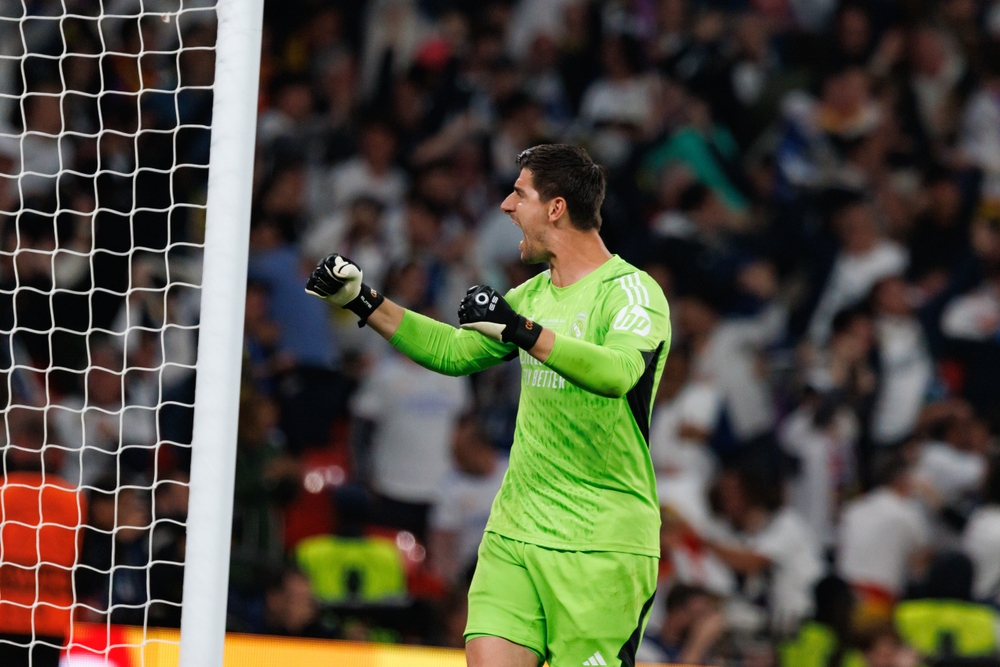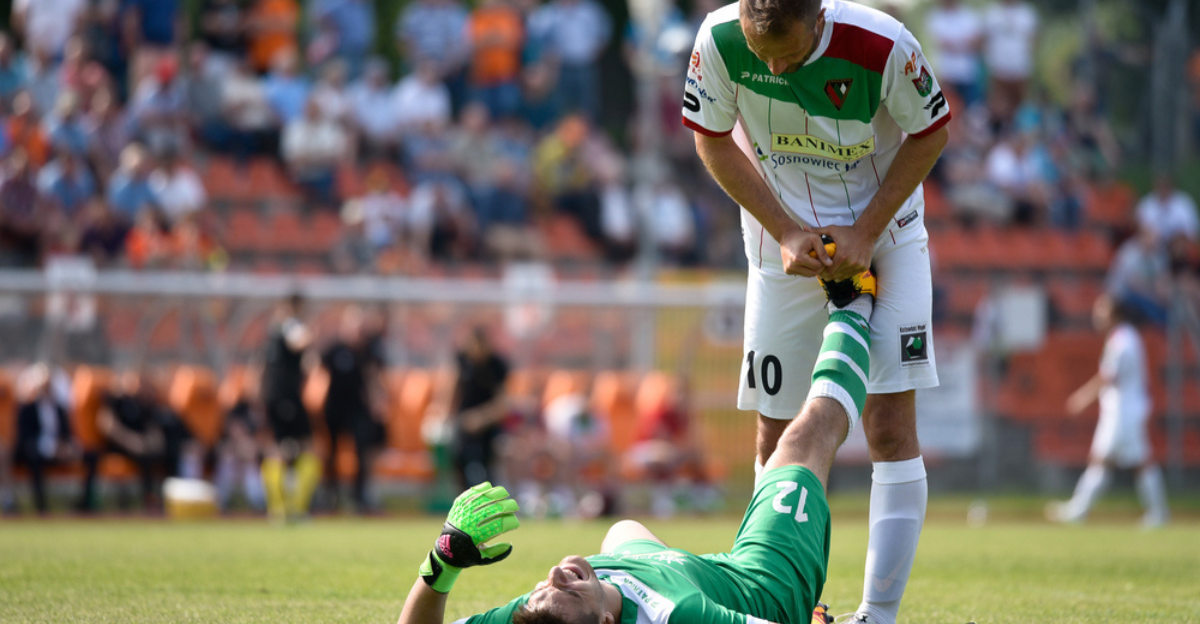
The sight of a goalkeeper signalling for treatment, prompting a tactical huddle for their outfield teammates, has become a familiar and often contentious occurrence in modern football. Following a recent incident involving Chelsea‘s Robert Sanchez during an FA Cup semi-final against Leeds United, where Leeds fans openly booed the perceived tactic, football’s lawmakers are now taking decisive steps to address the issue.
The International Football Association Board (Ifab) has been scrutinising this problem for a couple of years, including extensive debates in technical meetings last October. While no law change will be implemented for the upcoming season, Ifab plans to offer leagues the opportunity to conduct a series of trials aimed at stamping out these tactical time-outs.
Evolving tactics and the referee’s dilemma
The practice of feigning injury to stop play for tactical reasons is not new, but its focus has shifted. Until a few seasons ago, outfield players were the primary culprits. English football attempted to combat this by insisting any player receiving treatment must leave the field for 30 seconds. This led managers to adapt, instructing goalkeepers to ask for treatment, exploiting the fact that a team cannot play without a goalkeeper, thus circumventing the 30-second rule and preventing play from restarting without them.
Referees have found themselves powerless to prevent these stoppages. They cannot accuse a player of faking an injury due to the potential serious repercussions if the injury is genuine. This dilemma has allowed the tactic to flourish, with incidents such as Manchester City goalkeeper Gianluigi Donnarumma going down in November when Leeds were in the ascendancy at Etihad Stadium. Leeds manager Daniel Farke accused Donnarumma of feigning injury to “bend the rules” and break up play, according to BBC Sport.
Read also: World Cup 2026 injury watch: Key players battling to be ready
The issue is prevalent across all levels of the game, including the women’s game, highlighting the need for a global solution.
Four trial models on the table
Ifab has already introduced several law changes for next season to cover general delaying tactics, including time limits on goal-kicks, throw-ins, and substitutions. However, the goalkeeper issue requires a more specific approach. Leagues will be invited to hold trials throughout the 2026-27 season, with Ifab set to review the results in March next year. The Women’s Super League (WSL) has already volunteered to participate in the testing process.
Four distinct trial models have been proposed:
- Trial one: If a goalkeeper requires treatment, another outfield player from their team must leave the field for one minute. Parallel trials may determine if this player should be the captain or selected by the manager.
- Trial two: Should a goalkeeper need treatment, an outfield player has to leave the field for two minutes.
- Trial three (NWSL model): If a goalkeeper is injured, players from both teams must remain in their positions when play stopped, or gather on their team’s side of the centre-circle. Approaching the technical area could result in league discipline for the team or coach. This rule does not apply if the injured goalkeeper is to be substituted before play restarts. The National Women’s Soccer League (NWSL) in the US and Canada already implemented this policy for its 2026 season last month.
- Trial four (Hybrid model): Players are not permitted to go to the touchline, and an outfield player (either the captain or selected by the manager) must also leave the field for one minute.
From next season, general laws will stipulate that any player needing treatment must go off for one minute, but these specific goalkeeper trials aim to create a stronger deterrent for tactical stoppages.
Read also: Sabastian Sawe shatters two-hour marathon barrier in London
Sources: www.bbc.com, www.bbc.co.uk
Read also: Premier League clubs navigate UEFA's strict multi-club ownership rules ahead of European ambitions