Brazil stood just 45 minutes away from their earliest FIFA World Cup exit since 1966, trailing Japan at half-time in their last-32 tie in Houston. What loomed was not merely defeat, but a “historic humiliation,” as South American football expert Tim Vickery described it, especially for a nation with Brazil’s footballing pedigree and traditionalist expectations.
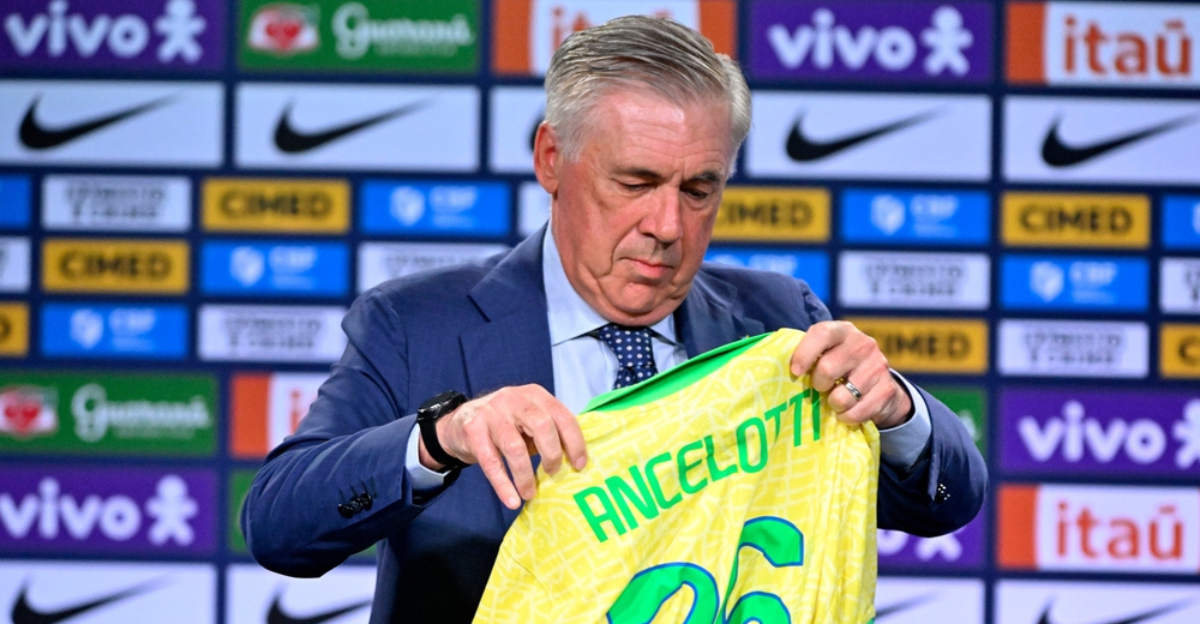
The weight of expectation rested heavily on Carlo Ancelotti, Brazil’s coach and the first foreign manager to lead the Seleção at a World Cup. Despite his unparalleled club success – a record five Champions League titles and trophies in all five of Europe’s major leagues – Ancelotti faced his biggest international test. At the interval, with Japan leading, the prospect of a last-32 elimination at the hands of an Asian team was, according to Vickery, “unthinkable” for many.
Yet, Ancelotti remained unfazed. When asked about any half-time concerns, the Italian maestro told BBC Sport journalist Sam Drury, “No. Not really. I was confident in our team.” This self-assurance, honed over a career of navigating high-stakes encounters, proved pivotal. Ancelotti, who has won nine of his first 15 games in charge, made only one change at the break, an enforced substitution as Endrick replaced the injured Lucas Paqueta.
A dramatic second-half turnaround
Whatever Ancelotti communicated to his squad, it resonated. Brazil emerged for the second half with renewed purpose, dramatically altering their attacking approach. The statistics tell a clear story of this tactical shift:
Read also: Messi admitted he targeted one World Cup rival on purpose
- First half: 12 crosses
- Second half: 28 crosses
The increased pressure eventually paid dividends. Casemiro netted the crucial equaliser, setting the stage for a dramatic finale. Deep into stoppage time, Gabriel Martinelli, following a build-up involving Bruno Guimaraes, struck a 95th-minute winner, completing a remarkable comeback.
This victory marked Brazil’s first instance of coming from behind to win a World Cup knockout game since 2002, underscoring the significance of the achievement and Ancelotti’s impact. The coach reflected on the performance, stating, “The only acceptable outcome is victory. Was it a step forward? This was the more complete game that we played… I believe this is an evolution for sure. We struggled to find space at first but we are able to solve this problem very well.”
Having navigated this perilous last-32 encounter, Brazil, still aiming for their sixth World Cup triumph, will now face either Ivory Coast or Norway in the last-16 tie, with the pressure slightly eased but the ultimate goal firmly in sight.
Read also: Cristiano Ronaldo crisis forces Portugal chief into emergency action