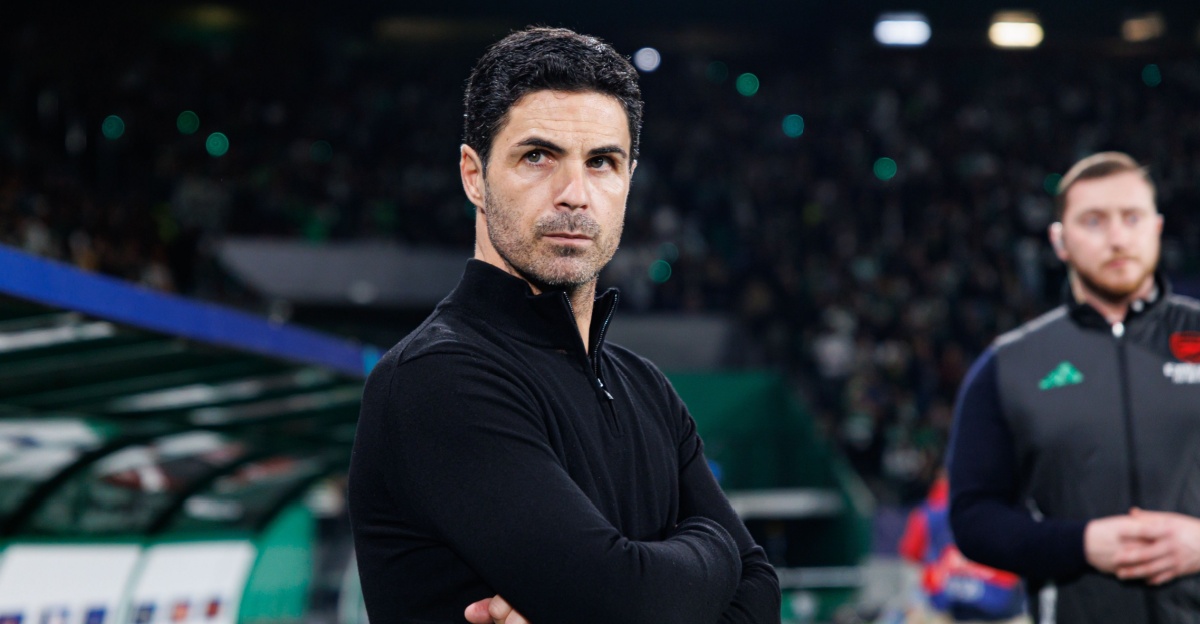
Fresh off their Premier League title triumph, Arsenal embarked on an ambitious summer transfer window, targeting over 20 players from top clubs including Real Madrid, Atletico Madrid, Chelsea, and Tottenham. While the Gunners secured several key additions, their pursuit of marquee attackers like Vinicius Jr and Julian Alvarez ultimately proved unsuccessful, highlighting a complex period of recruitment for the champions.
Major incomings and the cost of ambition
Sporting director Andrea Berta, credited with helping Arsenal secure their first league title in 22 years, oversaw significant investment. The club’s most notable acquisition was Bruno Guimaraes, captured from Newcastle United for £75 million. Guimaraes, who turns 29 in November, joins a squad that also saw the arrival of Ezri Konsa, manager Mikel Arteta’s first-choice defensive target. After an initial £40 million offer was rejected, a deal for Konsa was eventually agreed at £51 million, plus £4 million in add-ons, sealed by the ownership at both clubs.
The combined fee for Guimaraes and Konsa reached £126 million, with both players set to be 30 by the end of next season. Other notable arrivals included Christos Tzolis, a 24-year-old winger from Club Brugge in a deal worth approximately £35 million, and Illan Meslier, who joined on a free transfer. Arsenal also made Piero Hincapie’s loan deal permanent. The club had explored other midfield options such as Alex Scott and Amadou Onana, the latter having suffered a serious knee injury at the World Cup.
Marquee misses: Vinicius Jr, Alvarez, and Rogers
Despite the substantial outlay, Arsenal faced significant setbacks in their quest for a top-tier attacker. The club genuinely believed they had a realistic chance of signing Vinicius Jr, even preparing to finance a British record fee and one of the most lucrative remuneration packages in Premier League history. However, the Brazilian ultimately signed a new long-term contract at Real Madrid.
Read also: Lamine Yamal is not in the spanish national team
Similarly, Julian Alvarez of Atletico Madrid showed little inclination to join Arsenal, reportedly preferring Barcelona. Atletico, however, refused to sell Alvarez to their La Liga rivals, leading the player to remain despite his relationship with the club being at an “all-time low,” according to BBC Sport. Another major target, Morgan Rogers, was initially valued by Aston Villa at £100 million, while Arsenal’s valuation stood at £80 million. After Elliot Anderson’s £116 million move to Manchester City, Villa increased Rogers’ valuation to £120 million. Chelsea ultimately secured Rogers for £117 million, with Arsenal refusing to match the offer. The Gunners also admired Chelsea striker Joao Pedro, but he was deemed not for sale.
A shift to player trading
The summer also marked a significant pivot towards a “player trading model” for Arsenal, aimed at ensuring sustainability and compliance with financial regulations. The exits of key players generated substantial income, with Gabriel Martinelli’s £60 million transfer to Al-Hilal becoming Arsenal’s record departure, including a sell-on clause. In total, the sales of Martinelli, Leandro Trossard (who joined Besiktas for a minimum £15 million), Gabriel Jesus, Christian Norgaard, Jakub Kiwior, Fabio Vieira, and Karl Hein secured the club around £114 million.
The club also explored a possible £80 million exit for Myles Lewis-Skelly, though Manchester United deemed his valuation too high. Arsenal resisted selling Ethan Nwaneri permanently, instead sending him on a season-long loan to Borussia Dortmund with a January recall option. The overall activity saw Arsenal spend nearly £450 million in 12 months, as reported by Sami Mokbel for BBC Sport on 5 September 2026.
Read also: Riemer had just hailed him: Christensen leaves Barcelona clash in tears
Read also: UEFA rejects FAI plea to separate Ireland and Israel in draws, forcing Nations League venue changes